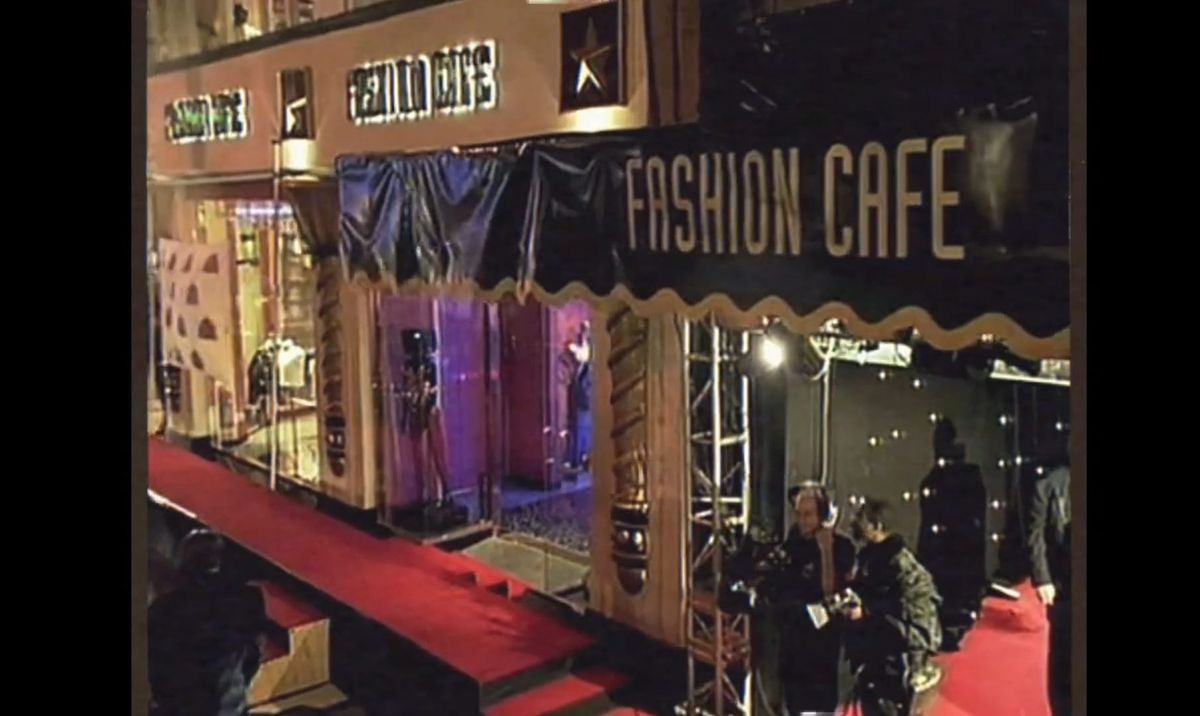
Do You Remember The Fashion Café
Themed restaurants were all the rage in the '90s, so why not let the supermodel craze get it on the fad?
Bethenny Frankel of Real Housewives fame has just opened a pop-up restaurant called The Supermodel Café. The floral-heavy location drew in fans from far and wide who were eager to sample the foods that Frankel offered as calorie-light alternatives to the regular options. Said one visitor, who brought her teenage daughters along, "I really grabbed onto her when she started with, like, the lighter alternatives and the whole diet thing." It’s another part of Frankel’s fetishizing of thinness, one that has made her very rich. An article in The Washington Post painted a pretty bleak portrait of the pop-up, the latest addition to Frankel's brand of Skinnygirl lifestyle branding. "The cafe is a monument to diet culture, a remembrance of the high price we paid to be slim back before we could simply pay exorbitant sums for GLP-1s: Nothing tasted as good as skinny felt, so nothing tasted very good, period, and we stopped expecting it to. It was a time of high glam and glaring tradeoffs."
I’ve talked before about the burning hellscape that is the revival of the hyper-skinny body, exacerbated by the misbranding of GLP-1s, the Make America Healthy Again propaganda, and the smog of misogyny that wants all women to be small and obedient. Diet culture has never gone out of style, but it’s tough to ignore just how prevalent it is right now and how much it’s recycling the worst excesses of generations gone by. We survived heroin chic, the baby food diet, juice cleanses, and The Biggest Loser, but now we have to face, well, all of this.
Selling your barely-veiled disordered eating under the branding of supermodels is nothing new. The ‘90s, the decade where the concept of the supermodel was born, led to a minor cultural boom in products, philosophies, and multi-pronged marketing tactics that sought to sell impossible glamour as something us schlubby plebs could have a taste of for the right price. Nothing tastes as good as skinny feels, but maybe at the Fashion Café, you can find something close enough to it at the Fashion Café.
In the '90s, theme restaurants exploded in popularity. The concept had been around for decades. The first Hard Rock Cafe was founded in 1971 and Medieval Times opened in the same decade. But they experienced a real boom in the era of Clinton and economic security. We got the Rainforest Cafe, which with its all-consuming theming of fake plants, animatronic animals, and waterfalls. There was money to be had in this combination of dining and entertainment, especially for families who need something to keep their damn weiner kids busy.
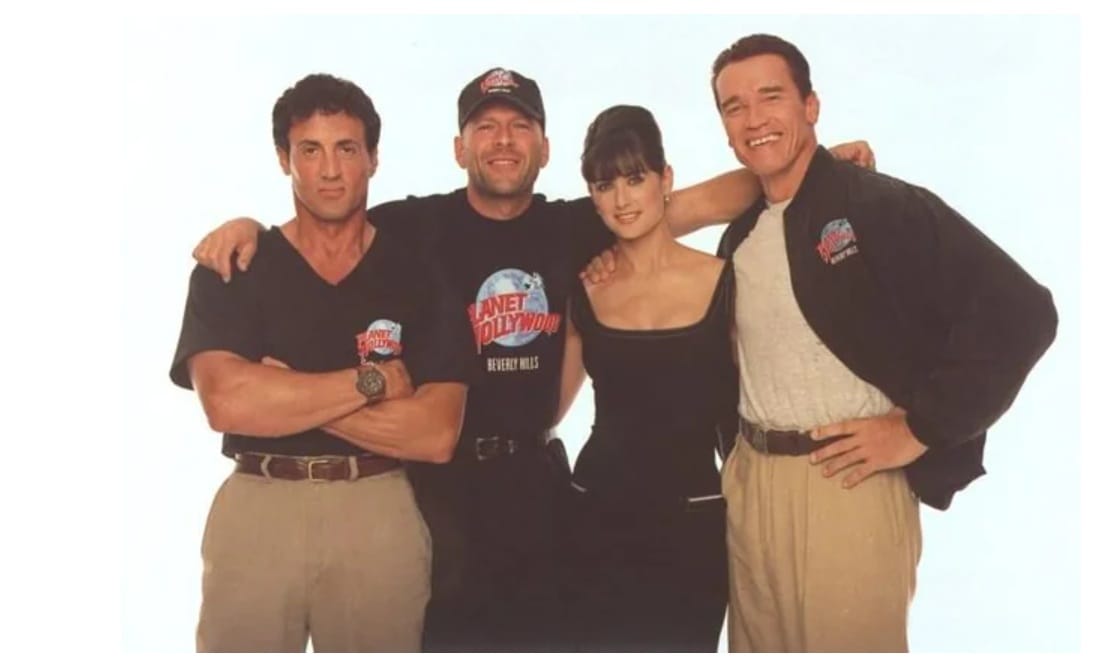
Soon, Hollywood came calling, and big celebrities started putting their names to these theme restaurants. Dan Aykroyd opened House of Blues, which combined dining and drinking with live music (and the occasional Blues Brothers performance.) Planet Hollywood brought on board Sylvester Stallone, Bruce Willis, and Demi Moore to sell the concept of dining with the stars (or at least some related memorabilia.) Even Steven Spielberg got involved, with the gloriously demented Dive!, a nautical-themed restaurant styled to look like a submarine. Diners would experience regular “submergences”, complete with blaring alarms. These were all, let’s be honest, tacky as hell. That was the point, of course. But how could we make this idea classy? How could we make a themed restaurant that offered glamour and an adult-focused prestige?
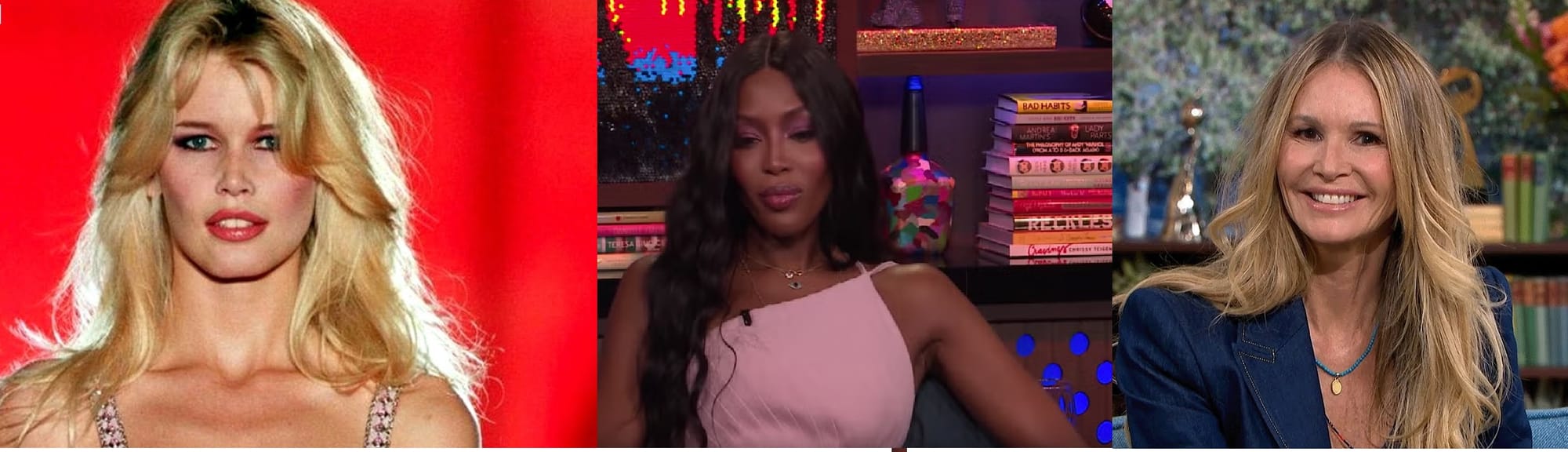
Tammasco Buti was an Italian chef and businessman who ran a catering business called Focaccia that primarily served high-end customers in New York City. He saw the themed cafe trend, and he was also dating a model, Daniela Pestova. So hey, why not combine the two? His idea was to combine food and fashion, and to bring on board some of the most iconic faces of the then-burgeoning world of megastar models. He managed to convince three of the most famous women in their field to become spokeswomen: Naomi Campbell, Elle Macpherson, and Claudia Schiffer.