Colleen Moore: The Silent Movie Star Who Inspired A Star is Born
A Star is Born is one of Hollywood's most famous myths about its own toxicity. It was inspired by a long-forgotten silent film diva.
A Star is Born is one of the most defining stories in Hollywood history, an agonising romantic tragedy that exemplifies the dizzying highs and lows of fame, envy, and the machine that controls both. Everyone has their favourite version of the four films, released in 1937, 1954, 1976, and 2018 respectively. The correct answer is, of course, the '54 version with Judy Garland. If you can watch that film without sobbing hysterically, you're a stronger person than I. We keep remaking it because, while the details change, the soul of the narrative remains the same: fame is awful and having to choose between your life and your career is a special sort of pain.
The public spectacle of the rising star and her falling trainwreck beau has parallels throughout Hollywood history. Every version is inspired by various examples of it. The ‘70s film, starring Barbra Streisand, borrowed from Jim Morrison’s life. The 1937 original with Janet Gaynor was said to have been influenced by Barbara Stanwyck’s disastrous marriage to vaudeville legend Frank Fay. But before that, there was What Price Hollywood, a pre-Code drama directed by George Cukor (who also made the Garland movie) that established the formula.
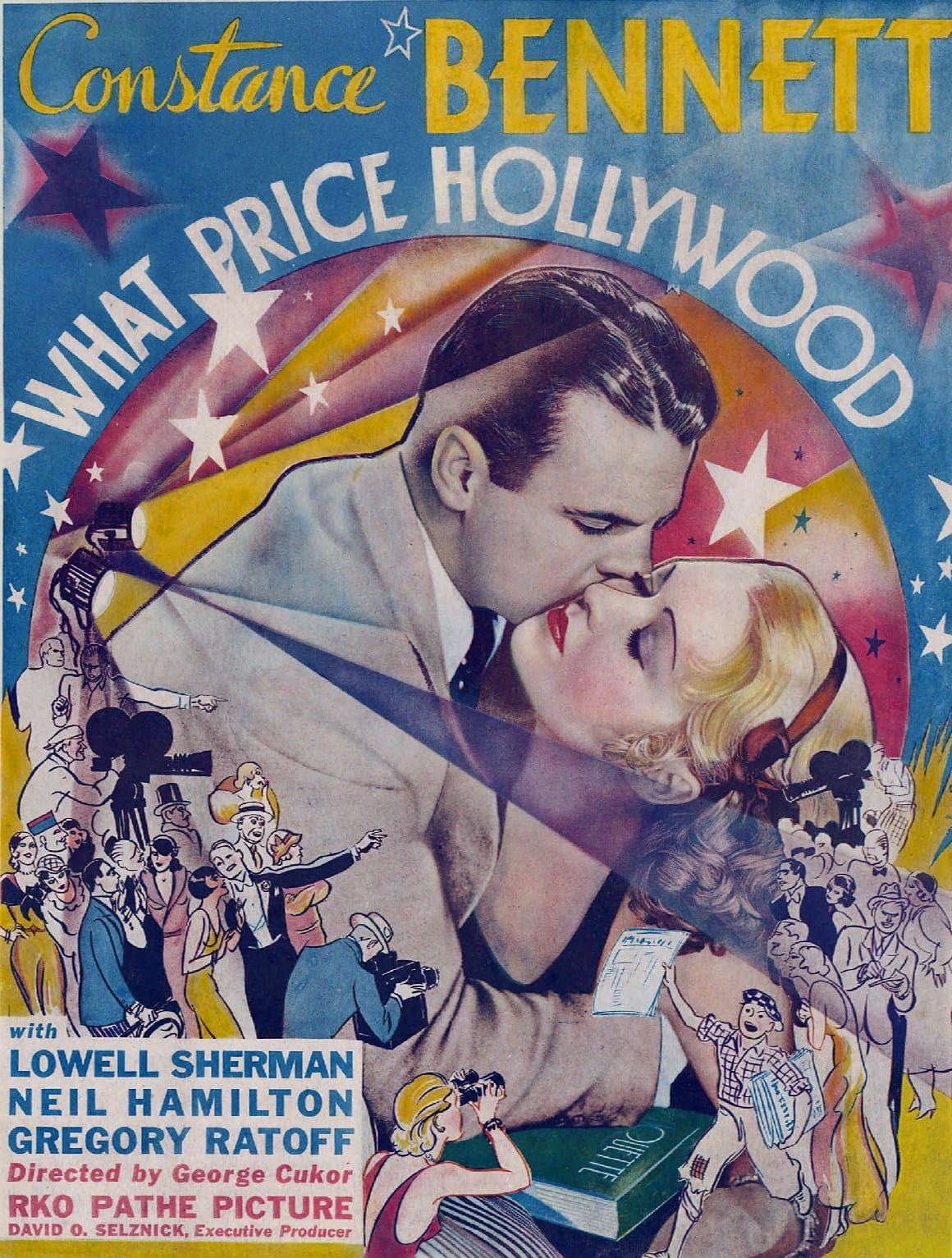
Starring Constance Bennett, the film follows Mary, a waitress and aspiring actress who enters the film world through a meeting with a smitten but alcoholic producer, Max. The film laid down the basic tropes that would come to define all A Star is Born stories: the talented woman, the eager but troubled man, her rise to the top as he stumbles into the gutter, him embarrassing her in public, him dying by suicide, and her deciding to come back stronger than ever.
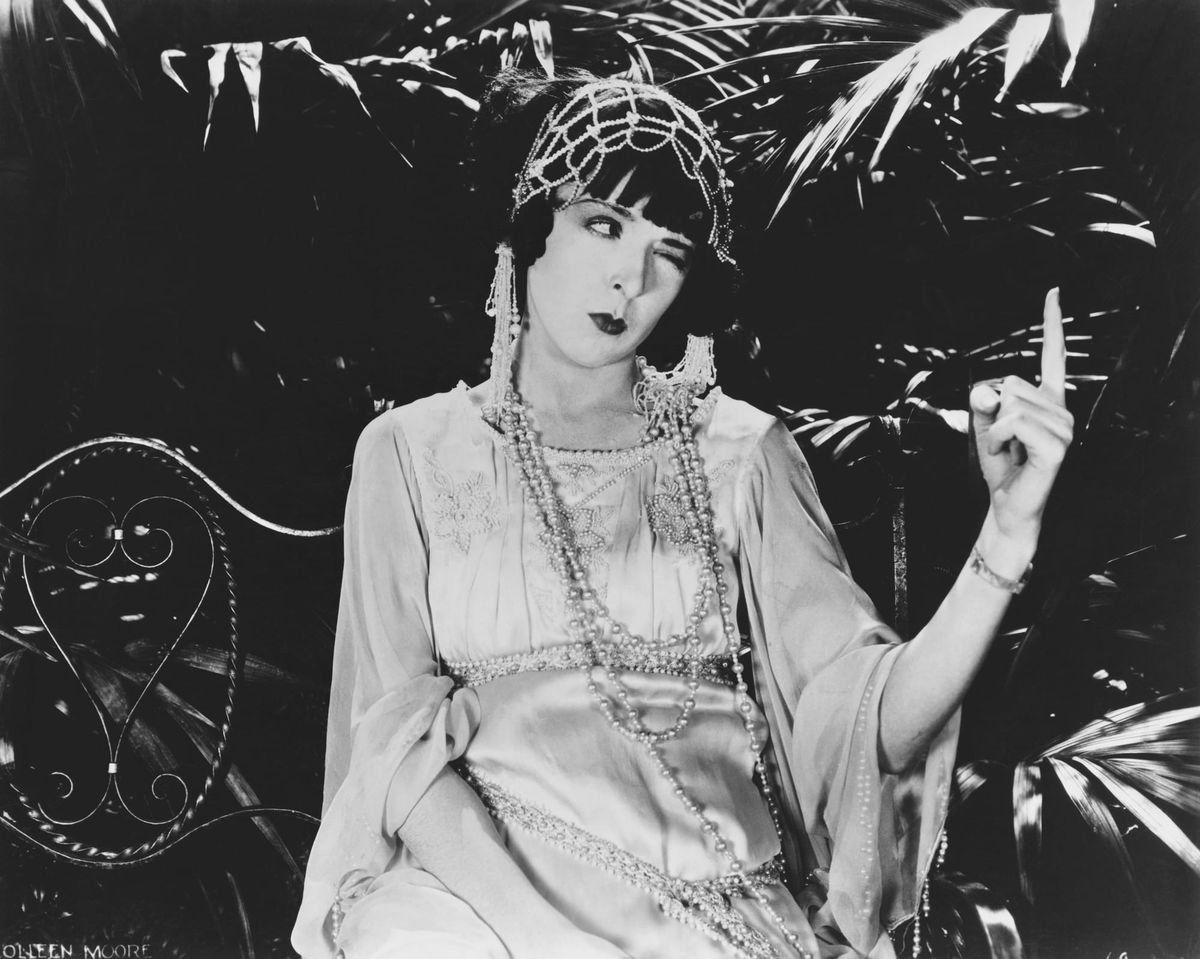
The plot came from a story by Adela Rogers St. Johns, a journalist who gained fame for her emotional tales of the dangers of the hot Hollywood life in the fan magazines. For this tale of a plucky young woman whose dreams come true at the cost of the dignity of the man in her life, she took inspiration from a silent film performer whom you’ve most likely never heard of. Moore was a massive star in her time, but like many actors of the silent era, the majority of her films are now lost. While she did survive the switch to the talkies, she retired permanently from the profession in the mid-1930s and became somewhat forgotten by all but the most hardened old-school cinephiles. But she’ll forever be associated with the most beloved and heartbreaking of Hollywood narratives.
Born Kathleen Morrison in 1899 (although she would insist until her dying days that she was actually born in 1902), Colleen made her first leap into Hollywood as a teenager when she had a screen test with the legendary D.W. Griffith. She'd landed that opportunity because her uncle, Walter Howey, was a big name at Hearst Newspapers and the director owed him a favour of two. She made her first credited film appearance in 1917 and began working her way into bigger and more acclaimed roles.

The original stars of 1910s silent cinema initially weren't credited until their names. The studios wanted to keep total control over their talent and ensure they didn't make demands over money or creative control, so they'd receive nicknames like "The Biograph Girl." This backfired for the studios because audiences soon latched onto their favourites and wanted to know their real names. By the time Colleen began to make a name for herself, Hollywood had its first generation of mega-stars.
Things weren't easy for Colleen at first. Her first studio, Triangle, went bust, and so did her next one, Selig Polyscope. It took until the beginning of a new decade for her to truly break through. She worked with directors like King Vidor and starred alongside icons like John Barrymore. In 1922, she was named a Baby Star to watch out for in a promotional campaign by the Western Association of Motion Picture Advertisers. That same year, she was introduced to John McCormick.