Is This the Weirdest Classic Hollywood Diet of All Time?
The studio system demanded that its actors stick to a specific weight lest they lose work. One silent film vamp had a very dangerous diet to maintain this standard. We don't recommend it.
of the CONTENT WARNING: This piece discusses disordered eating and body shaming.
I was a teenager in the 2000s, so a solid chunk of my adolescence is defined by a media-driven enforcement of the most abysmal and impossible body standards you can possibly imagine. British tabloids were especially craven in calling perfectly slim women fat and hideous, circling parts of their stomachs and legs to show how unacceptable they apparently looked. This was the time of Britney Spears being derided as fat during her infamous MTV VMAs performance, something that seemed to bother the press more than her mental health struggles. Seared into my memory are magazine covers with headlines promoting “Lose a stone in a week” crash diets that were essentially an advert for disordered eating. I don’t remember which publication made it or the specifics of the, uh, diet, but I’ll never forget one example (of many) where the total calories per-day was 1000. That’s starvation-level calories, by the way.
As thinspo and the fetishising of hyper-thin bodies makes a deeply unwelcome comeback in 2026, I find myself thinking about the vicious cycle of diet promotion via celebrities that formed a big part of my teen years but was prevalent during my mum’s adolescence, and her mum’s and probably beyond. There was a brief period in the late-2010s and early 2020s where we seemed to collectively agree that amplifying disordered eating was concerning. Now, we’re back to square one, albeit with the vague sheen of “wellness.” Celebrities shill Erehwon smoothies instead of tummy teas, but the message is still the same. It’s the same as it was a hundred years ago: visible fat isn’t allowed, and you should suffer to achieve the “ideal” weight.
In classic Hollywood, as the medium of cinema became a phenomenon and created stars, restrictions on the performers’ bodies was implemented almost immediately. The 1920s was the time of the flapper – slim, glamorous, always on the move – but even the so-called bombshells were forced to stick to stifling body standards. The studios typically implemented weight clauses in their actors’ contracts, requiring them to remain under a certain weight, and they’d be weighed every week to keep tabs on their consistency. Those who went above that (usually small) number could face suspension without pay. So, for those whose ability to pay the bills was dependent on surviving these weigh-ins, the ability to drop a lot of pounds in only a few days was pertinent.
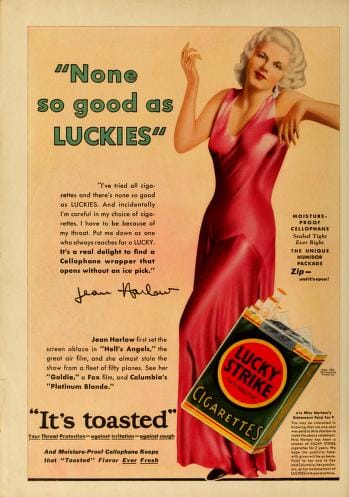
Jean Harlow, whenever she needed to prepare for a shoot, would follow a four-day diet where she'd have a black coffee and orange juice for breakfast, and two whole tomatoes and black coffee for lunch and dinner. A 1929 article from Photoplay, which was ostensibly warning its readers about the dangers of Hollywood diets, said that Pola Negri “took off 10 pounds with an egg and spinach diet.” Judy Garland, who was berated as chubby by MGM bosses when she was a teenager, was put on a diet of chicken soup and coffee at a young age. She was also encouraged to smoke a sh*t-ton of cigarettes to curb her appetite, on top of all the uppers and downers they plied her with into adulthood.
Picking the weirdest and most depressing diet from this system of straight-up starvation is hard, and probably cruel. But when I found out about this one, I just had to get it off my chest.
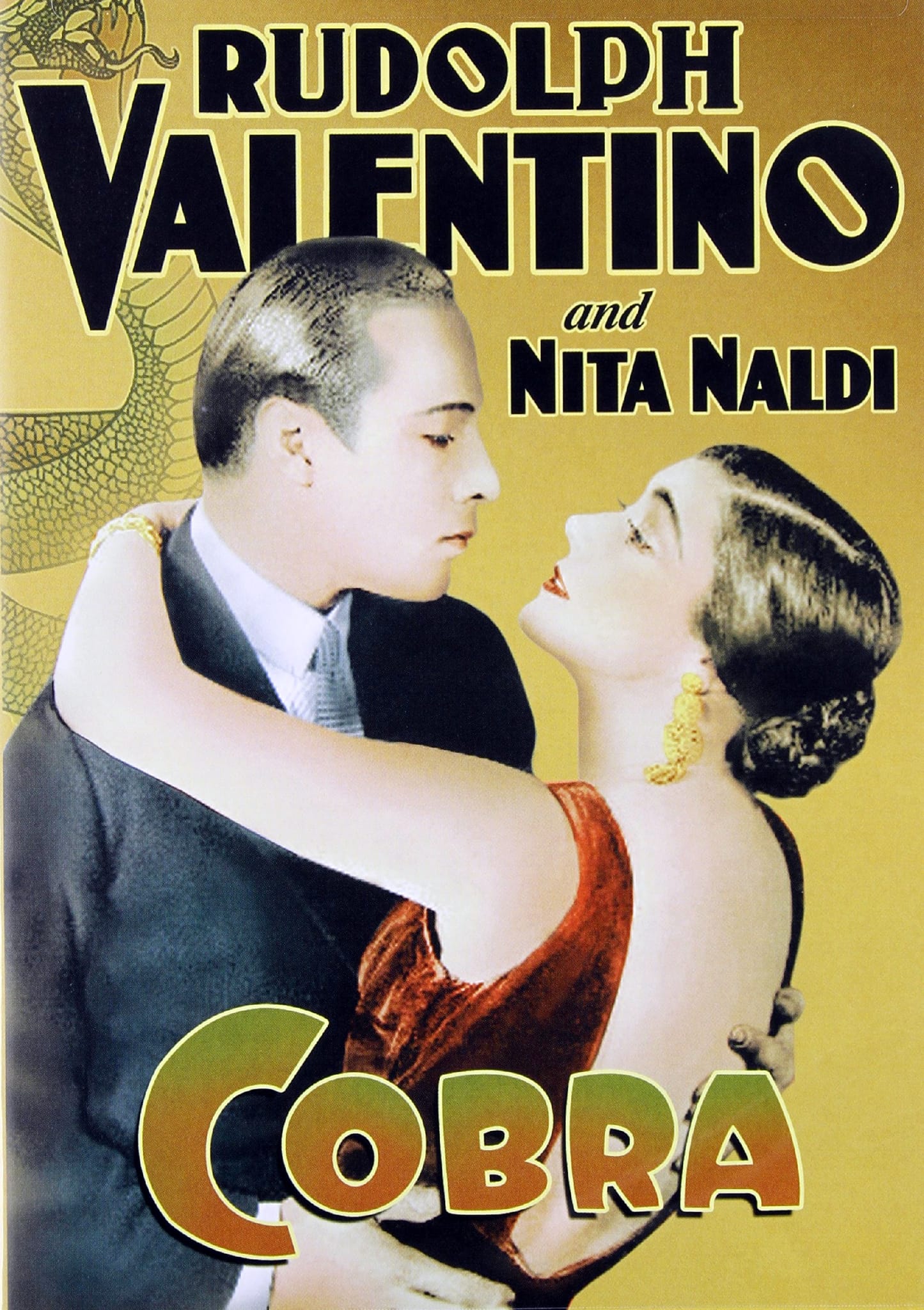
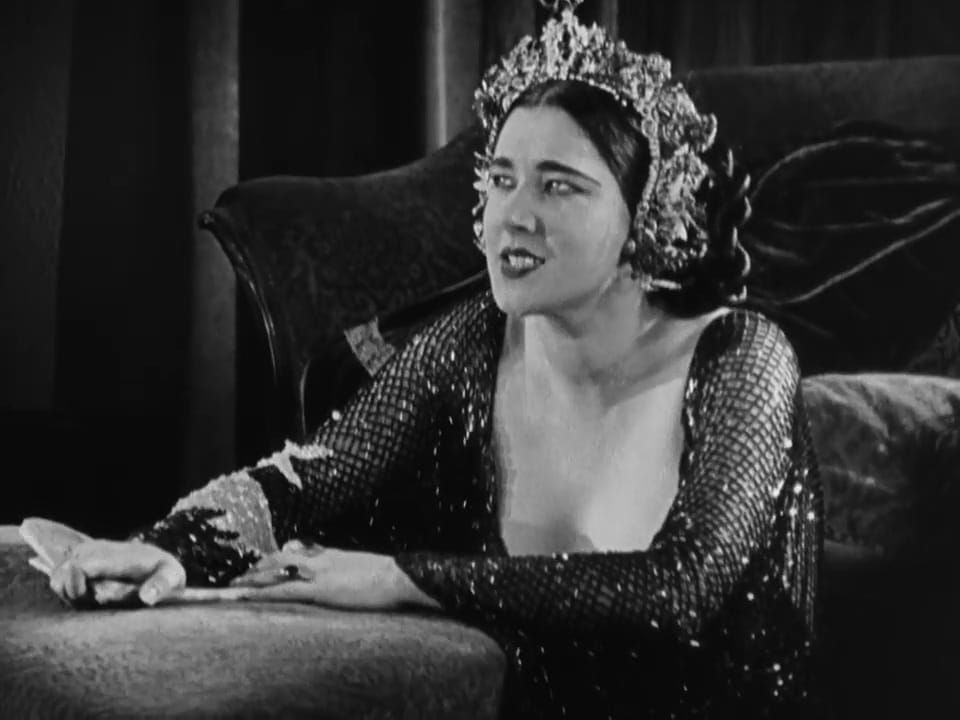
Meet Nita Naldi.
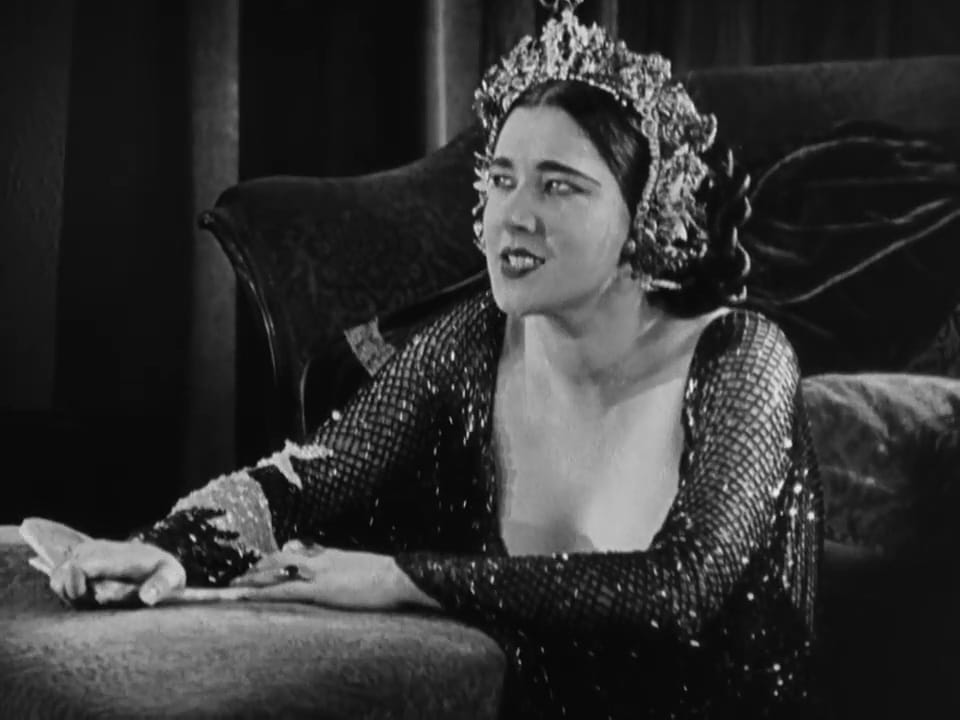
Born Mary Nonna Dooley, Nita Naldi was an Irish-American actress who got her start in vaudeville before finding work on-stage on Broadway. She landed a series of film roles, including the original Dr. Jekyll and Mr. Hyde alongside John Barrymore. In 1922, she was the co-lead of Blood and Sand, a lush silent drama about a matador's torrid affair with a wealthy widow.
It cast her alongside the legendary Rudolph Valentino, and it made Naldi a star, cementing her image as a vamp. Naldi was one of the era's first movie sex symbols, a swarthy and openly sensual figure who could make even the most strong-willed man fall to his knees at her feet. It was a type pioneered by Theda Bara and one that was all the rage in the pre-Code era of vaguely exotic (but still white) seductresses.
But even though she was marketed successfully for her physical “perfection”, the press was still brutal about her weight. Critics often mocked her size in reviews of her films, attributing specific numbers to her weight that nobody could verify. "I’m not fat. I’m firm. I don’t wear any trick harness to hold me in. I’m a woman as God made one. I can walk into any museum and look the classic dames straight in the eyes without blushing," she told Photoplay. Still, that kind of pressure is hard to withstand, especially when it’s being echoed by your bosses.
When she did noticeably lose a lot of weight, she shared her secret. "By eating only lamb chops and pineapples, I lost 20 pounds in less than a month. In the morning, I have a cup of coffee, black. No food. At lunch, I have one lamb chop, broiled of course, not fried, and one slice of pineapple. Two lamb chops and two slices of pineapple for dinner.”
At least pineapple and lamb chops go well together? It’s not like Elizabeth Taylor’s steak and peanut butter, at least?
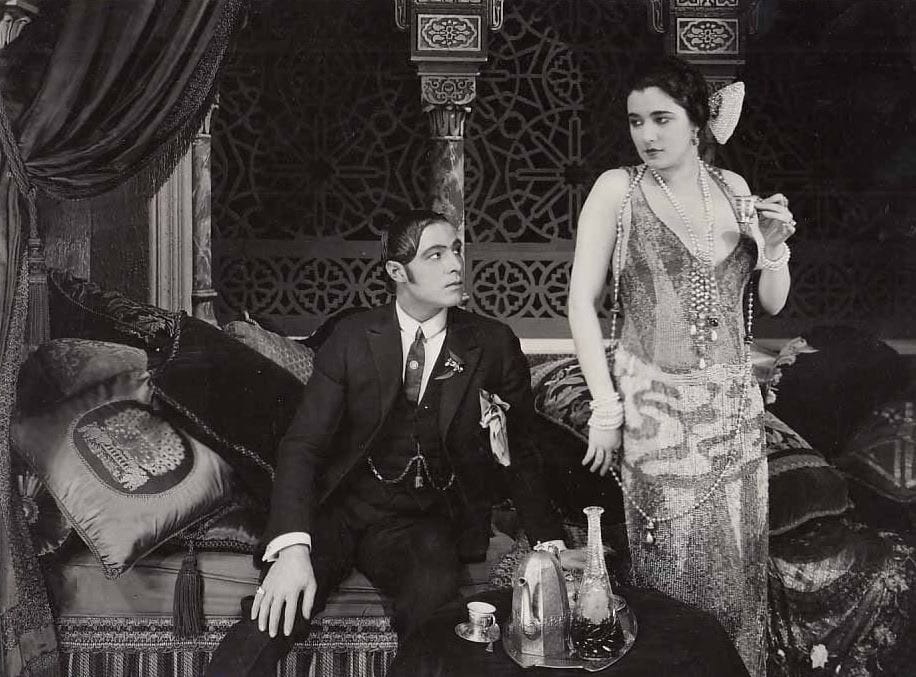
This is obviously a dangerously restrictive diet, but it’s also odd. Why this combination? I was unable to find out who created this diet, whether Naldi did it herself or if some quack at the studio made her take it up. The idea behind it seems to be that the lamb chops would provide the dieter with enough protein to keep them going through the day, while the pineapple offered a dose of sugar, and that the acidity of the fruit would help to speed up fat loss. This is, and I don't think I'm surprising anyone here, scientifically nonsense. That's not how fruit works. The lack of nutrients and real calories with this combination is obvious too. Even the juiciest lamb chop (unseasoned, I presume) isn’t enough to keep one going for weeks at a time.
This was an extreme diet, taken up by a woman whose body was equal parts fetishized and scorned. She faced daily pressure to be smaller, like every other woman in Hollywood, and her livelihood was dependent on it. So, I wonder how she felt when the fan magazines, the same ones that lambasted her for being “chubby”, suddenly decided to rally against the industry’s diet culture.
"Photoplay Starts Fight Against Reduceomania," declared the headline from 1926. Citing several doctors, the magazine declared that the stars' diets were dangerous to their health, a And it’s Nita Naldi whose photograph is used to illustrate the problem. She was “sick for weeks after following a rigid pineapple and lamb chop diet,” we’re told. It was transparently hypocritical for Photoplay to demand the moral high-ground on this topic given that it frequently published the diets of the stars with fawning appeal (and almost all of which were written by someone from the studios they wanted to remain on good terms with.)
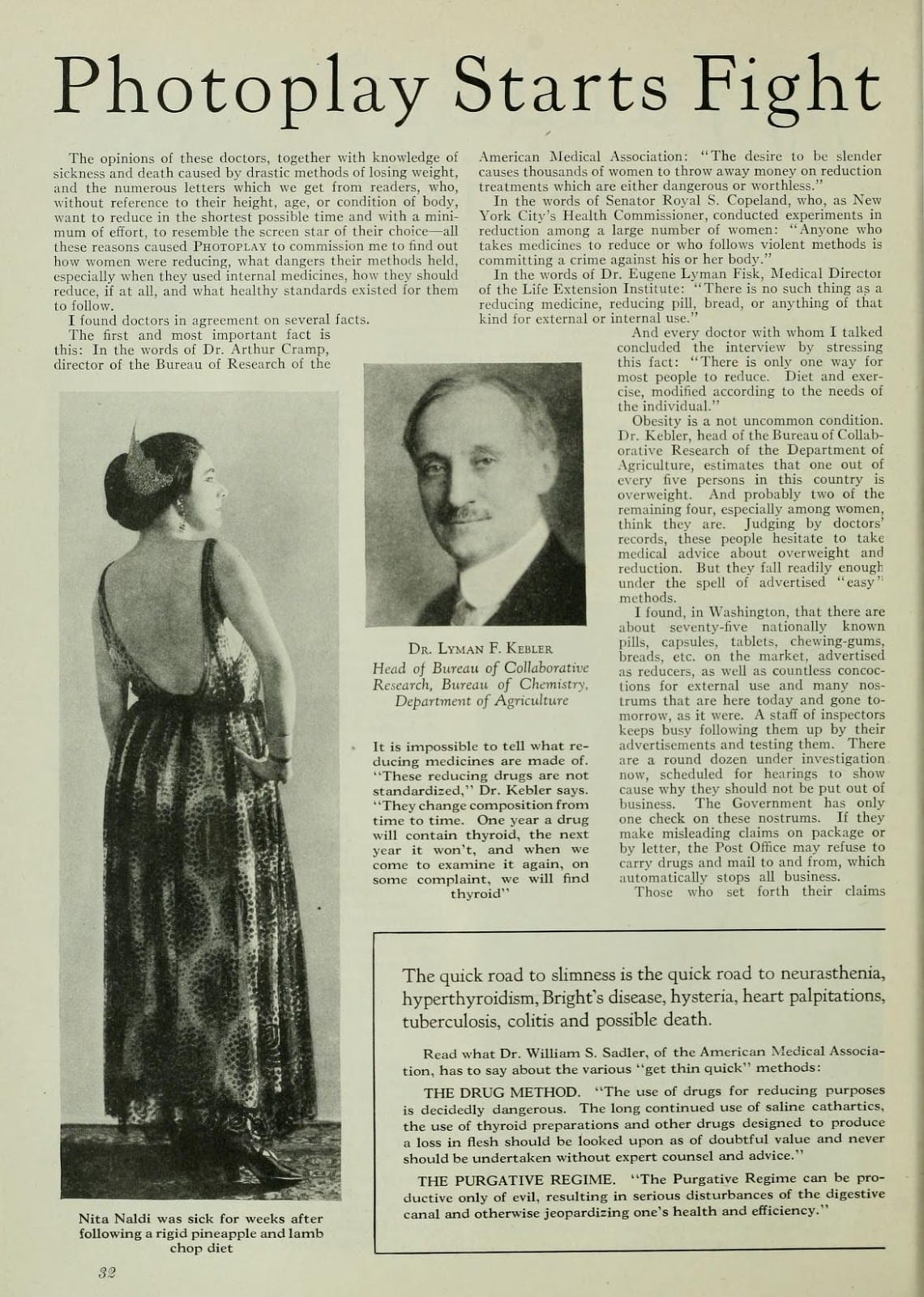
In that same issue, they seemingly scold Naldi for a time where she allegedly "went mad and ate two dishes of fried potatoes" after being on her diet for too long. "She had a bad habit of taking on weight," you see. Jerks. But the diet did make her ill. It often left her faint and prone to dizzy spells. I imagine she felt it was worth it as long as she didn’t get another review deriding her as too fat to live. Not that giving the bullies what they want has ever worked. They just moved on to slamming her as “insane” for committing to such a fad diet.
Naldi retired from screen acting in 1927 and ended up married to an older rich guy who divorced his wife for her. He went broke and Naldi filed for bankruptcy in 1932. She returned to the stage to make a living, and the press continued to be brutal about her appearance. She died in 1961 at the age of 66. Because so many of her films are lost, as with the majority of silent cinema, her legacy is often overlooked or downplayed, but make no mistake: she was a megastar.
Really, she deserves a more interesting piece than one focused so much on her diet, but I couldn’t stop thinking about lamb chops and pineapple. Recently, I was browsing Instagram for research, and I was shocked by how much the almighty algorithm seemed determined to shove hyper-skinny women bragging about their bodies onto the my feed. Did they want me to gawk at these clearly sick women doing hot pilates classes, or did they want me to feel envy? I only want to use Instagram for updates on ice hockey and vampires, and yet every single time I browse for longer than five minutes, I’m confronted by disordered eating, gym bros shaming fat women, and low-calorie fad diets repackaged as health elixirs. None of it feels all that different from Nita Naldi and her lamb chops. Frankly, it wouldn’t surprise me if I saw some influencer trying to plug a near-identical diet in the future, albeit one with more sponcon electrolyte drinks or whatever.
It feels treacherous trying to navigate this space right now, an endless cycle of weaponised diet culture, MAHA propaganda, manopshere negging, and GLP-1 ads from my local supermarket. Truly, it feels like we’ve gone backwards, but I’ve no idea how to confront it without risking putting too much responsibility on the shoulders of individuals who are clearly going through a lot and face pressures I don’t. You see a celebrity with visible ribs on the red carpet and want to scream, but when has shaming someone ever helped them or us? The endless panopticon of watching and being watched cannot help but leave women feeling as though we should be smaller. It’s always been socially and financially beneficial to pressure that we shrink into near-nothingness. Photoplay may have condemned Nita Naldi’s extreme diet, but they helped to create the circumstances that forced her to eat like that in the first place. Shaming women is an industry, after all.