The Hunt for James Bond is the New Search for Scarlett O’Hara
Before our current years-long hunt for the next 007, there was the legendary search for Scarlett.
We may have a new James Bond by the end of the year. Or not. I think we’ve been having this conversation for about a decade now, well before Daniel Craig hung up his martini glass in favour of getting his knives out. It feels like we’ve had a new viable candidate for 007 every month since then, from Idris Elba and Michael Fassbender to Aaron Taylor-Johnson to Callum Turner and Jack Lowden. Reports suggest that Amazon-MGM and director Luca Guadagnino have it down to a final four, which includes Turner, Lowden, Josh O’Connor, and a “mystery” choice. But then we heard that Robert Pattinson and Nicholas Hoult apparently screen-tested? At this moment in time, I feel like I need to check my spam box to see if the Broccoli family sent me an audition request.
The Bond casting cycle is, of course, part of the marketing. It’s a way to build hype and maintain it for the agonizingly long period of time it takes to get one of these movies made. I feel like I’ve written an “Is this person the next Bond” article for Pajiba once a month for nine years. It’s good for content, what can I say? We also don’t have many instances like this in modern pop culture, wherein there’s a worldwide hunger to see who will be cast in an iconic role. We briefly got it with Dr. Doom before Robert Downey Jr. decided he needed more money for his collection of ivory back-scratchers. But who else can we do this with? And for this length of time?
It harkens back to one of the earliest instances in Hollywood of a search for the perfect actor for a hotly hyped movie, one so intense that it became its own film (albeit on TV.) The hunt for Bond feels rather paltry compared to the fight for Scarlett O’Hara.
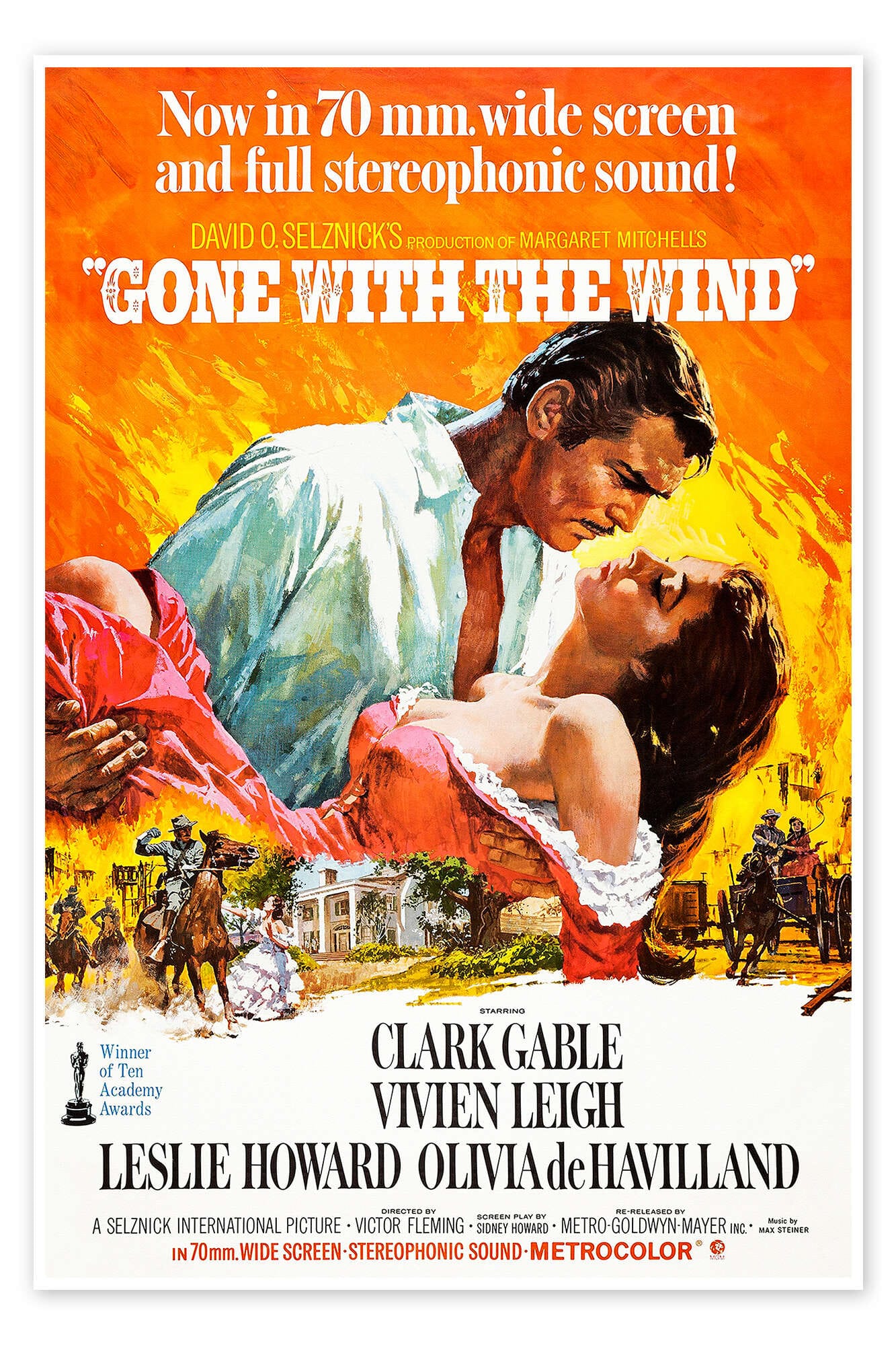
Gone with the Wind was an instant success when it was published in 1936. It won Margaret Mitchell the Pulitzer Prize and has remained a bestseller for decades. It's often cited as one of the best-selling books of all time. Independent producer David O. Selznick snapped up the rights to the book shortly after it was published, on the advice of his story editor. It didn't take long for the hype to build.
If any other producer had snapped it up, the chances are they would have assigned the movie to the biggest contract players on the books and be done with it. If it was MGM, for instance, it probably would have gone to Norma Shearer. Warner Bros. did consider buying the rights for its biggest star of the time, Bette Davis. But because Selznick was independent and had a tiny roster of actors to his name, he had a unique freedom. Getting stars on loan would be tricky, but it would also allow him to build one hell of a marketing campaign around Gone with the Wind.
The part of Scarlett O'Hara, the anti-heroine who dominates the novel, was probably the most sought-after role in Hollywood at the time. She starts the book as a vain, spoiled teenage girl and evolves into a ferocious, cunning, and determined woman. She rejects social conventions, has no qualms about manipulating others for her own gain, and rejects the stifling demands of being a good Southern lady. Scarlett might be the most famous heroine in American literature, for better or worse. But if nothing else, she was clearly an opportunity for a talented actress to go wild with a complex, nuanced, and powerful character, the likes of which weren't exactly common in post-Hays Code-era Hollywood. Every actress wanted the role, and so did every non-actress. And Selznick knew that. So, he mounted a nationwide casting call to find Scarlett.
Over 1,400 unknowns were interviewed in this search. Many others sent in applications, so eager to play Scarlett even if they’d never acted a day in their lives. This search was expensive and futile, but the publicity it created was priceless. That was probably always the aim. You would never hand over a project this expensive to someone with zero experience. But it did make Selznick seem as though he was searching every corner of the South for the right woman.
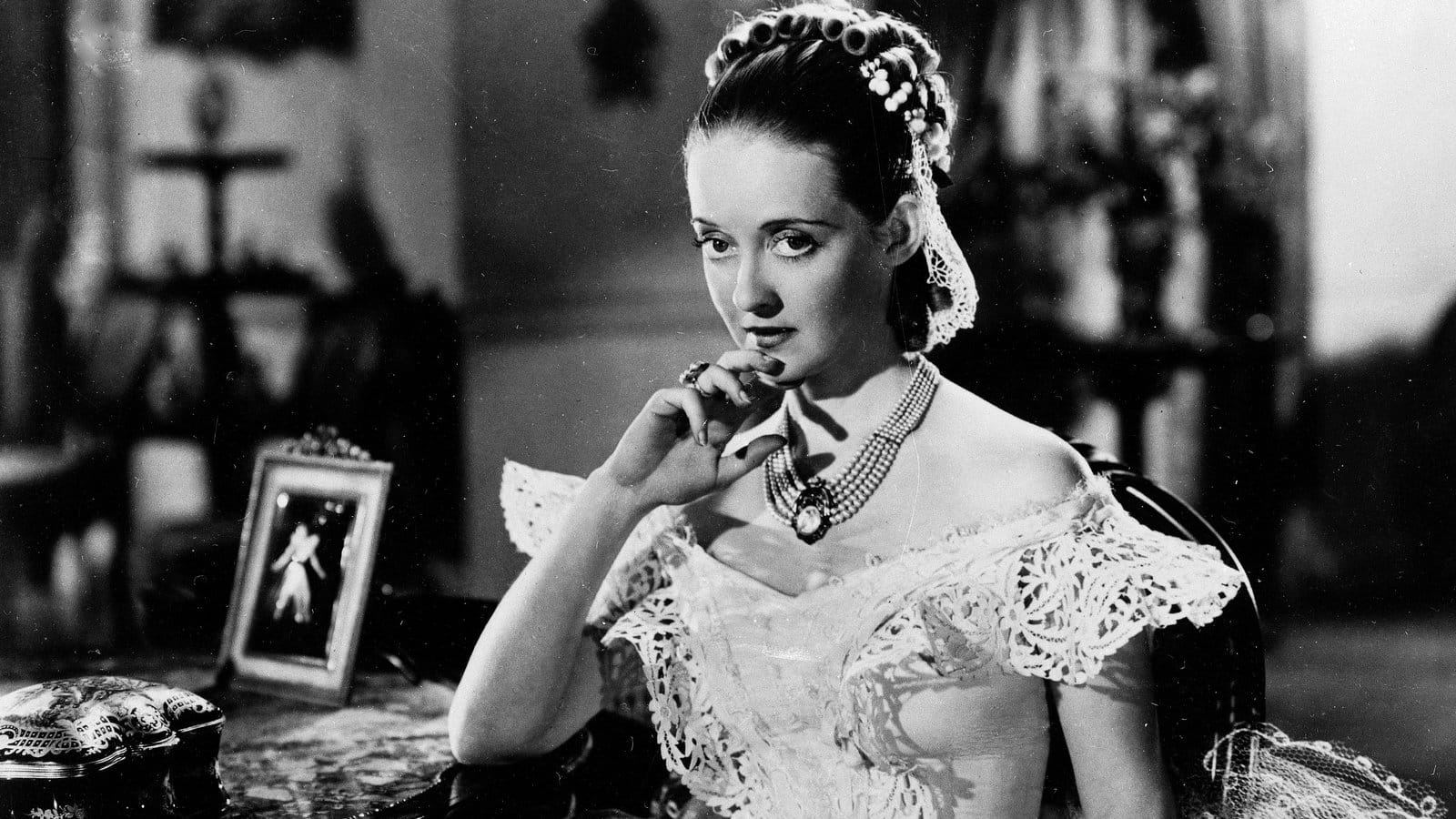
Back in Hollywood, dozens of actresses were considered for the role. Tallulah Bankhead, from Huntsville, Alabama, test-screened. She had the chops, being one of her generation's greatest stage performers, but her entire image was that of a louche bisexual broad who could drink any man under the table, so she didn't exactly fit the image for young, naive Scarlett. Bette Davis wanted the role and was furious it wasn't offered to her. She ended up making Jezebel, which was a blatant attempt to cash in on Gone with the Wind's hype before it was released, and it won Davis her second Oscar. She was also horrified by the prospect of Rhett Butler being played by Errol Flynn, which I heartily understand. Katherine Hepburn wanted the part, but Selznick said no because she was in her box office poison era and was the most Yankee woman on the planet. She couldn’t have pulled off a Southern accent had the fate of the planet been dependent on it.
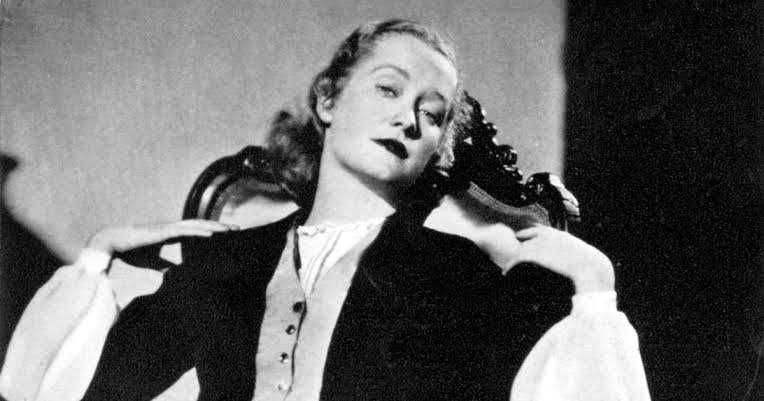
Paulette Goddard came pretty damn close, thanks to a good screen test, but she was considered a possible liability because she'd just married Charlie Chaplin, who was 21 years her senior and forever mired in scandal. Miriam Hopkins was another favourite since she was both a Southern girl (and the only candidate actually from Georgia) and had received an Oscar nomination for playing another anti-heroine of literature, Becky Sharp. She was also versatile, able to do screwball comedy and risqué dramas. She seemed like the most reliable choice, and she came pretty damn close.
31 actresses made screen tests, including Susan Hayward, Jean Arthur, Joan Bennett, and a 17-year-old Lana Turner. At one point, it was reported that Norma Shearer had been cast, but that news went down like a lead balloon. It seems as though it was a trial balloon from MGM, which was working on the movie with Selznick (and had provided Clark Gable to play Rhett Butler.) Shearer was an Oscar winner and one of the great sophisticated women of the business, but she was also married to producer Irving Thalberg and was, gasp, Canadian. She was all wrong.
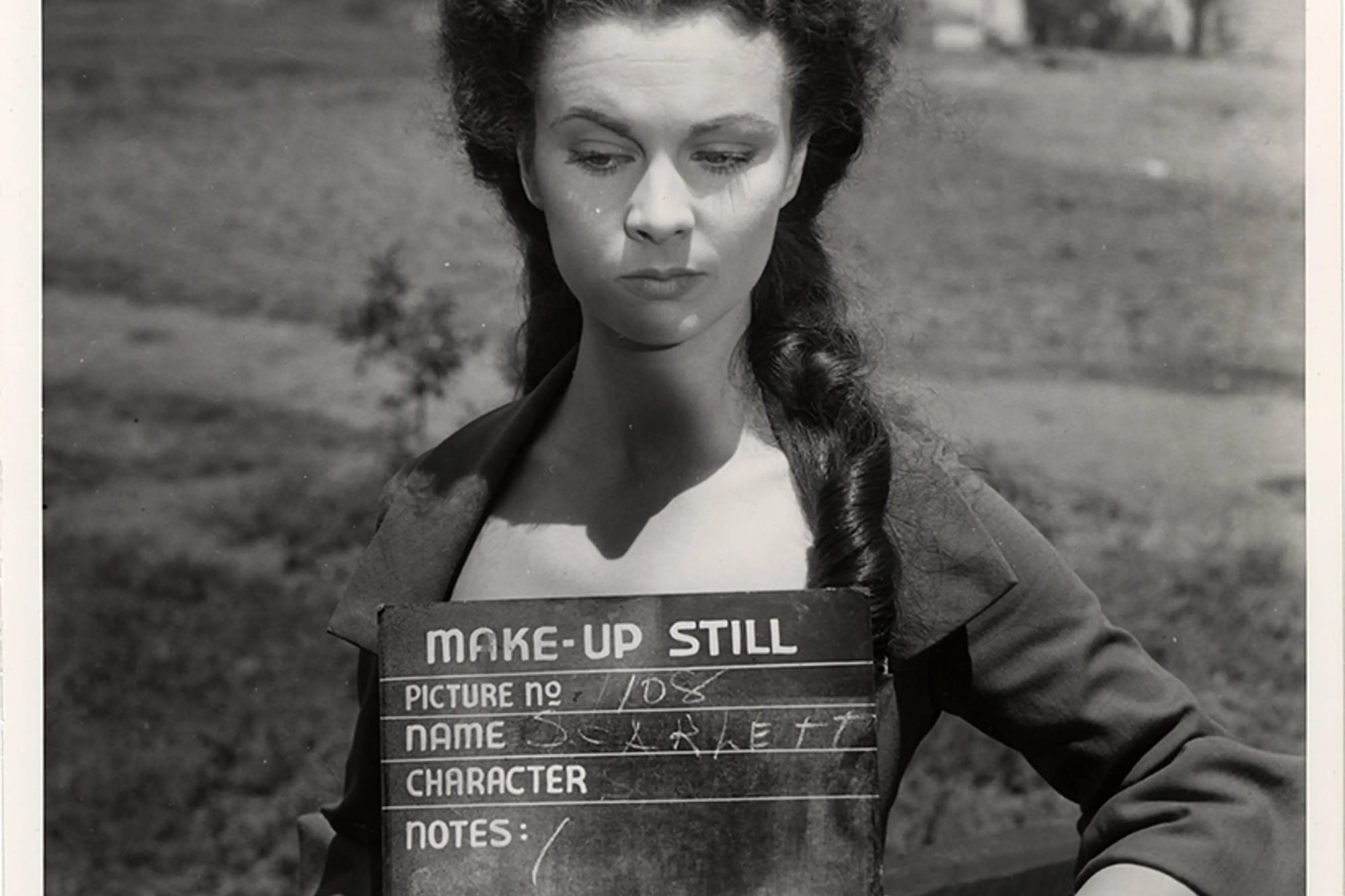
The hunt for Scarlett took so long that filming actually began without the official casting. The burning of Atlanta was filmed with doubles. But there was this one English actress who Selznick had in the back of his mind, one who had screen-tested and seemed to have potential.
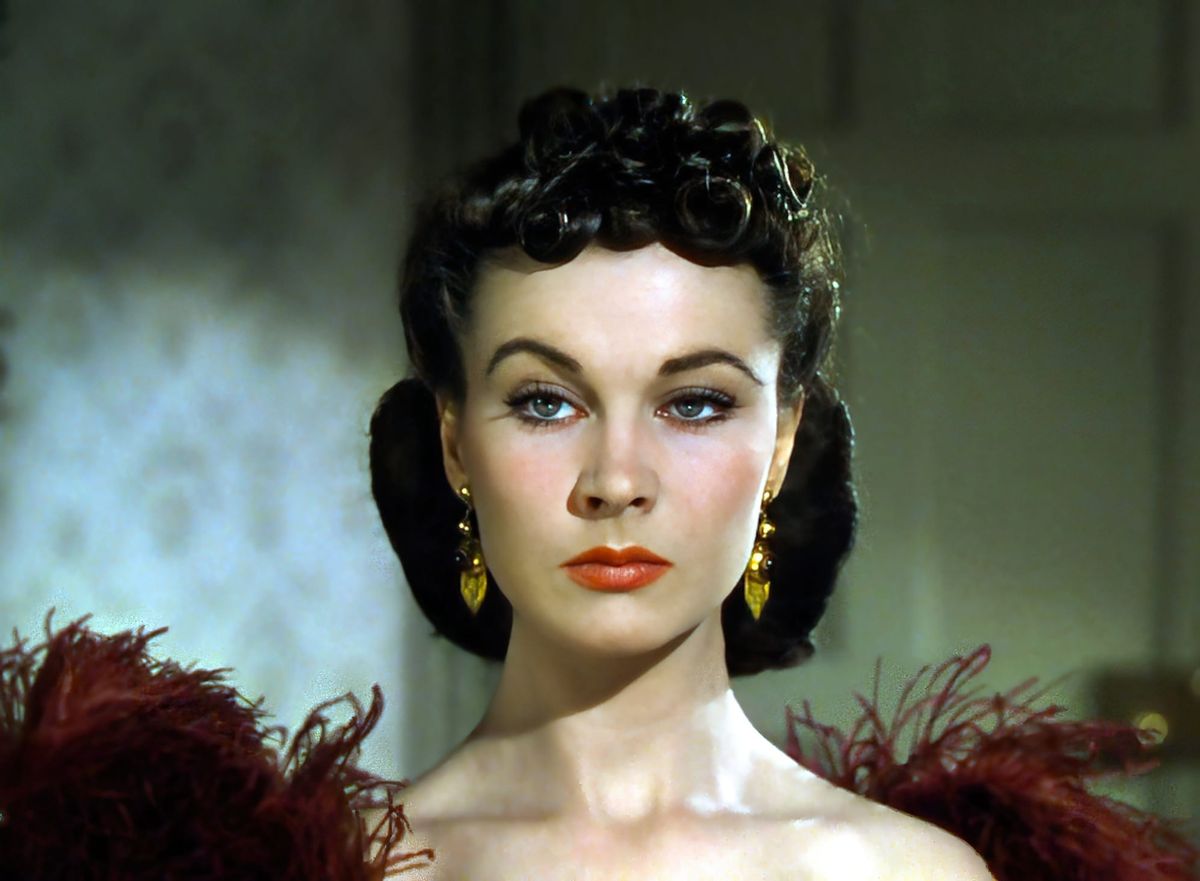
Vivian Mary Hartley was a RADA-trained actress who had racked up an impressive array of stage work in only four years. After landing a minor role in the film Things Are Looking Up, her screen debut, she was picked up by an agent, who suggested she change her professional name to Vivien Leigh, after her husband Leigh Holman. In 1935, she met Laurence Olivier, and the pair began an affair that was an open secret among the London theatrical scene. Around this time, she read Gone with the Wind and decided that she had to have the role of Scarlett. "I've cast myself as Scarlett O'Hara," she told one journalist.
When Olivier went to America to play Heathcliff in Wuthering Heights, he fought for Leigh to play Cathy, but the film was a star vehicle for Merle Oberon, so that didn't happen. Director William Wyler offered Leigh the supporting role of Isabella, but she said no. Besides, she had a bigger project in mind. Fortunately for her, her American agent was Myron Selznick, David's brother. According to legend, Myron took Leigh and Olivier to the Gone with the Wind set during the burning of Atlanta scene, and introduced her to David with the line, "Hey genius, meet your Scarlett O'Hara."
Her screen tests were excellent. She had impeccable chemistry with Gable. She was the right age, and she could do both coquettish and seductive. The role was hers. The public reacted with hatred. Who was this English woman who dared to come over here and take our jobs? Leigh was also born in India, and that was a genuine controversy. Despite being white, her birthplace labelled her as "exotic" to many. It’s still pretty common for Brits to get American roles and be dinged for it, but Scarlett was meant to be the embodiment of the South, and an English girl born in India had been chosen over actresses from Georgia and Alabama.
I know. Gone with the Wind being enshrined in a racism controversy? I am shocked. Side note, but the intense racism of the book was a problem at the time. Selznick worked with screenwriters to make it less racist. The presence of the KKK is excised from the film, even though they're big heroes on the page. In one scene, where Scarlett is attacked by a Black man and then saved by the Klan, it was changed to a white guy would-be rapist (with a Black accomplice who restrains Scarlett's horse) before she is rescued by a former enslaved person. Wrote Selznick in a memo, "I personally feel quite strongly that we should cut out the Klan entirely ... [otherwise, the film] might come out as an unintentional advertisement for intolerant societies in these fascist-ridden times." The film, of course, is still staggeringly racist, a love letter to the Lost Cause propaganda, but when people talk about these movies being from “a different time”, I think it’s worth reminding them that even in those times, the racism of Gone with the Wind was a problem.
Gone with the Wind was always going to be a hit, but the industry was still surprised by how massive a success it was. It broke attendance records across the country. People queued for hours every day just to get into a screening. MGM managed to keep it in theatres for about four years before removing it from circulation. By that point, it was the most profitable movie ever made up until that point. Adjusted for inflation, it's still the highest-grossing movie ever made, soaring over Titanic, Star Wars, and Avengers: Endgame. And the critics loved Leigh. Audiences did too. She won them over with her talent, and because she was a relative unknown to Americans, they had no baggage to project onto her performance. She was Scarlett O'Hara. It’s a performance that’s held up remarkably well over the decades, way more so than the movie itself. When the movie swept the Oscars, Leigh, of course, won the Best Actress Oscar.
The search for Scarlett became part of Hollywood lore. There would be other movies that tried to replicate its hype, but none really succeeded. You need the material, the built-in fanbase, and the talent to pull it off. In 1980, a TV movie called The Scarlett O'Hara War that dramatized the casting call premiered on NBC. Tony Curtis played David O. Selznick. Morgan Brittany played Leigh, something she had already done in two earlier movies.
The hunt for Bond is not quite so propulsive. It feels more tedious because every rumour and update is covered in real time, and all of these actors have to put up with endless questioning about a thing they obviously can’t talk about. We’ve also had several Bonds before, and now the new 007 will be part of an Amazon conglomerate that we don’t have much hope will be artistically daring. I think we all just sort of understand that the final choice will be kind of dull and predictable. I’d love it to be Jack Lowden, but in my heart, I still yearn for Dev Patel. A great casting campaign makes the possibilities seem endless. The current Bond one is the opposite of that, thanks to the current climate of monopolistic media and the “anti-woke” nonsense that we are hopefully ready to kill off. Just pick a guy and be done with it. Mr. Dua Lipa, don't plan anything big for the next few months.