Do You Remember: When Vanessa Williams Was Stripped of Her Miss America Crown
The first-ever Black Miss America was thrown to the wolves by a nude photo scandal, but she managed to fight back.
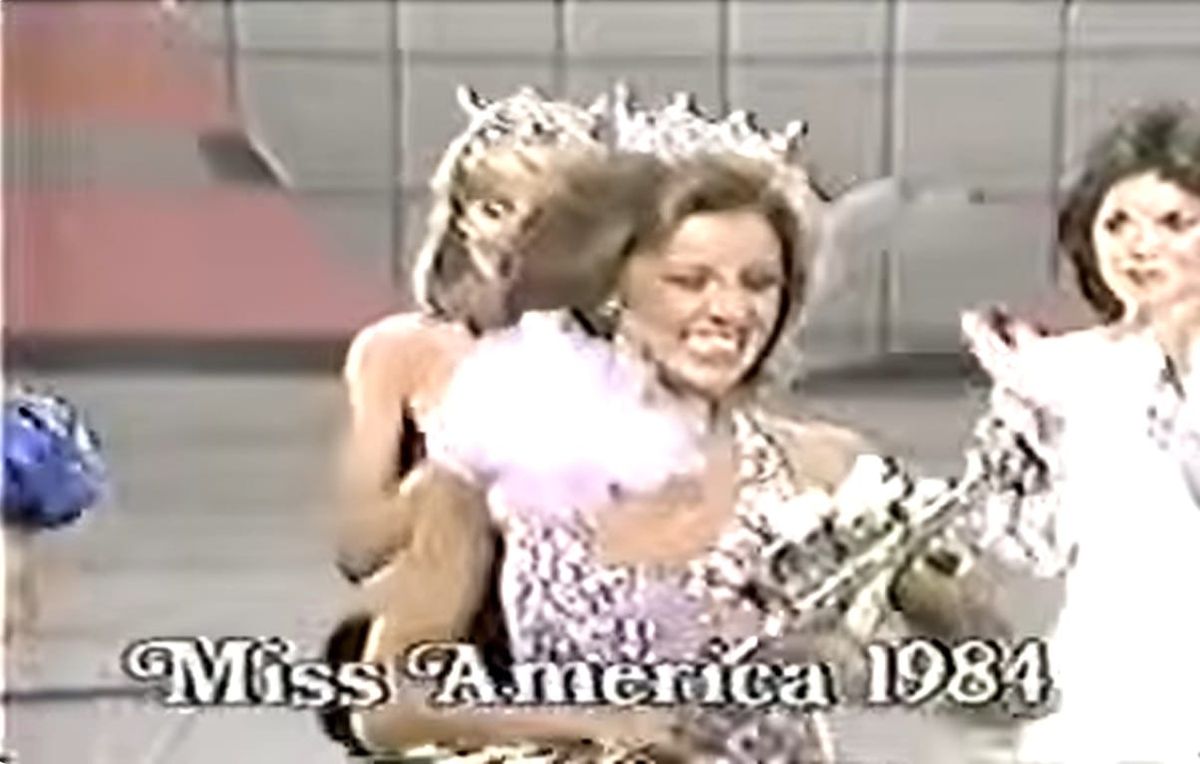
While The Devil Wears Prada 2 continues to be one of the highest-grossing films of 2026 (over $614 million and counting, as of the writing of this piece), on the West End stage, the musical adaptation of the first film is a hit in its own right. Starring as Miranda Priestly is Vanessa Williams, the Emmy, Grammy, and Tony-nominated singer and actress who has been a major star for well over 40 years. Her run has been so successful that she's signed on to play Miranda until October of this year.
You've probably heard Williams' music or seen her in Ugly Betty or Desperate Housewives. Perhaps you're a fan of Soul Food or saw her on stage in Into the Woods or Kiss of the Spider Woman. If you're older than me then your first introduction to her was probably when she made history as the first African American woman to be crowned Miss America. That means you're also likely familiar with how she was stripped of that title and publicly shamed for something that wasn't her fault. In the messy history of beauty pageants, the punishment of Vanessa Williams is one of the largest stains on its legacy.
When Vanessa Williams was born, the birth announcement in the local paper read, "Here she is: Miss America." But she didn't spend her childhood dreaming of becoming a beauty queen. Vanessa wanted to be an actress on Broadway. She went to college as a musical theatre major and studied music and dance in her spare time. When she was 20 years old, Williams was approached by scouts from the Miss Syracuse pageant, who thought she had potential to be the next big thing. She turned them down until she realized that the chance to earn some scholarship money would help cover the ridiculous costs of higher education. She ended up winning the entire thing, then went on to become Miss New York.
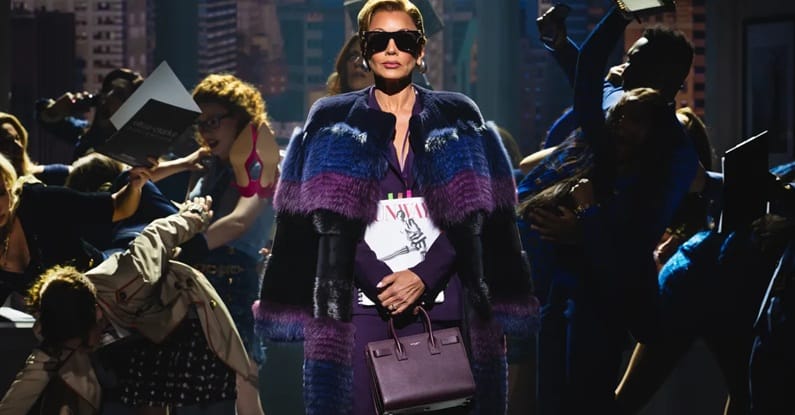
This led her to the stage of Miss America 1984. She won the preliminary swimsuit round as well as the talent round thanks to her performance of the song "Happy Days Are Here Again." She didn’t expect to win the entire contest, nor did she fully understand why it was such a big deal for a Black woman to get the crown. As she told NPR in 2014, "People would come up and say they never thought they'd see the day that it would happen; when people would want to shake my hand, and you'd see tears in their eyes, and they'd say, I never thought I'd see it in my lifetime - that's when, you know, it was definitely a very special honor."
With that attention came a ton of racism and death threats. "I spent a lot of time talking about the death threats, the FBI, the sharpshooters," she revealed to The Daily Beast. One of her fellow contestants had been the victim of a cross burning in her front yard. Miss America had been an explicitly racist organization in its early days, when one director, Lenora Slaughter, implemented a rule that said: "contestants must be of good health and of the white race." That rule was abolished in 1950, but it took until 1970 for the first African-American woman, Cheryl Browne, to complete. Other women of colour in the pageant faced intense bigotry. Bess Myerson, the only Jewish American winner to date, won in 1945 and was subjected to so much antisemitism that her official duties were scaled back for her safety.
Williams also faced scrutiny from the Black community. Many felt she had only been accepted into the white-fetishizing world of Miss America because she was light-skinned and fit into a mould of respectability politics. When you’re the first of anything, you have to deal with the intense weight of that responsibility, whether you like it or not. If you’re not “perfect”, however that’s defined, you’re quickly tossed aside. And, with only two months left in her reign, Williams was thrown to the wolves.