Rob Reiner and the Dead Celebrity Industrial Complex
Why is the Media So Ghoulish in the Reporting of Dead Celebrities?
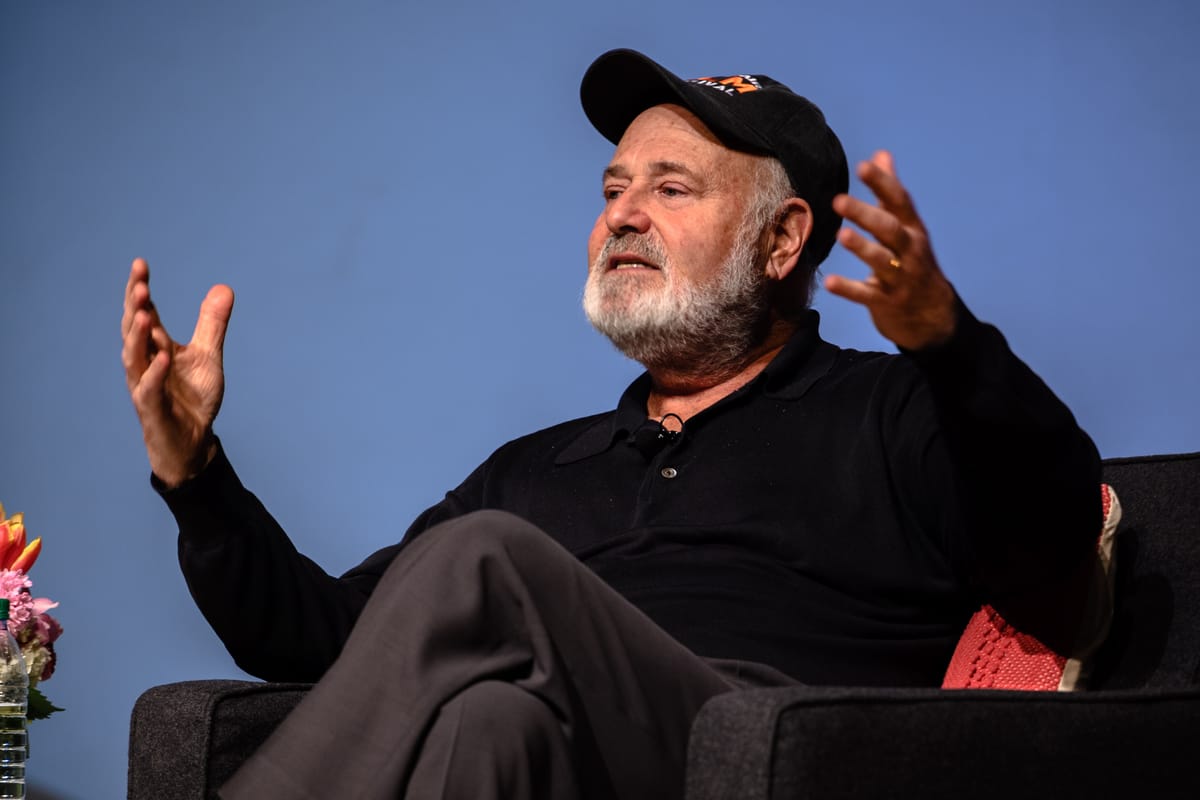
I would love to spend this time talking about the work of the late great Rob Reiner. I would love to dedicate a few thousand words to the legacy of a legendary actor, director, writer, and producer, a man who went from supporting player in an era-defining sitcom to the filmmaker behind one of the greatest streaks in modern Hollywood history. We could be here for days poring over films like This is Spinal Tap and Stand By Me, or his ground-breaking activism for progressive causes like marriage equality. The chances are I probably will write something about him later on. I’ve seen The Princess Bride too many times to not want to pay respect to a master of mainstream entertainment. But right now, as the industry reels in the aftermath of this unspeakable tragedy, we find ourselves barraged by some of the most ghoulish reporting I’ve seen since, well, the last major celebrity died under unexpected circumstances.
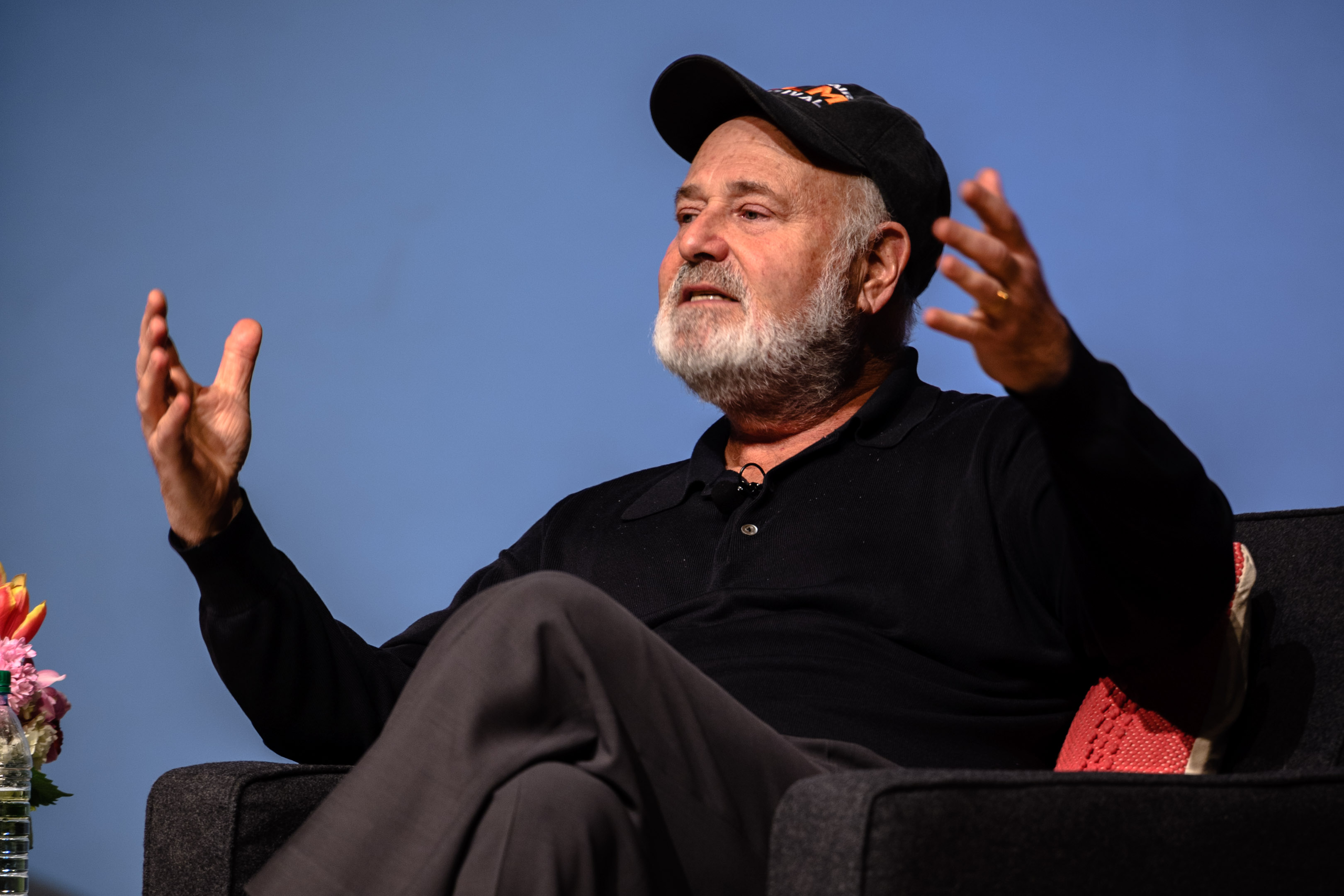
(Image via Wikimedia Commons - Neil Grabowsky.)
I don’t want to get into the weeds of how Reiner and his wife, Michelle Singer Reiner, died. There’s still too much we don’t know and even more we shouldn’t know. But their passings have served as a cruel reminder of how the celebrity death industrial complex works, and how even the most so-called reputable publications cannot help but give into their most leering excesses when a famous person passes away.
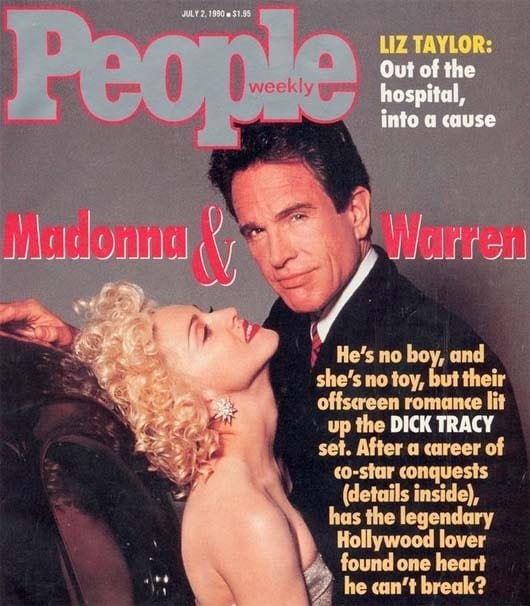
I found out about the Reiners’ deaths from an “exclusive” on People, which put right in the headline the dark details of this abhorrent happening. It was a remarkably blunt headline from the most industry-friendly tabloid in Hollywood, which was how I knew it was true. There’s no way that People, of all magazines, would put that story front and centre without confirmation from an irrefutable source. Who’s the source? My guess is the LAPD because they have a history of this and because I imagine they wanted to quickly dismiss any speculation about the case. The breaking news headlines are only growing more feverish as I write this piece. My Instagram feed is full of videos of the outside of the Reiners’ home, trailing the likes of Billy Crystal as they go to mourn their friends. The reporting has only gotten more queasy, with the usual suspects such as TMZ racing to reveal every gory tidbit of two people’s violent ends. It’s all consumable, and it’ll all be brilliant for business.
It’s no surprise that a celebrity murder has inspired such fascination. I cover such events in this newsletter. It can be done responsibly, but when it comes to Hollywood, these cases are almost immediately recycled into entertainment. This is nothing new, from the Fatty Arbuckle rape trial to the O.J. Simpson circus. What feels new in our current age is the speed with which the contentification unfolds. Someone can die, and photos of their dead body can be on social media within the hour. Live-blogs pop up on websites to cover every minute detail. Past footage and comments are mined for out-of-context headline baiting (The New York Post claimed Reiner made comments about loving all his children, even the bad ones, before his death. He was talking about his movies, not his offspring.)
To the surprise of nobody, TMZ has been at the forefront of covering this story with the empathy and integrity of a sledgehammer through the wall. TMZ’s status as the ambulance chasers of the tabloid press is something they’re proud of. Founder Harvey Levin has made no secret of his joy in chasing down celebrities for a quick exclusive. As I wrote in 2023, “TMZ is never knowingly respectful.” But their real power comes from both their sources and their willingness to pay whatever it takes to get their hands on the sordid details. They famously paid $250,000 for footage of Solange in the elevator with Jay-Z and Beyoncé.
They have sources, numerous in quantity and varied in location, who get info to them quickly, often before family and friends are informed. Hospitals, legal offices, the LAPD: TMZ is everywhere. Wolfgang Van Halen, the musician and son of Eddie Van Halen, shared how TMZ “paid off people in the hospital when my father passed. Couldn’t even f**king grieve for 20 minutes.” When Linkin Park lead vocalist Chester Bennington died by suicide in July 2017, TMZ reported in disturbing detail previous attempts Bennington had made on his own life, information that had been redacted from the Los Angeles County Coroner’s report.
In 2020, TMZ reported on the death of Kobe Bryant and his daughter long before his family had been notified. They also leaked photos of the crash site. It was a cop who tipped off TMZ, and Vanessa Bryant, who lost her husband and child, then had to sue the county after some of those officers shared graphic photos of her loved ones’ remains from the crash. In 2023, One Direction singer Liam Payne died after falling from a hotel balcony. TMZ broke the news hours before his family in the UK found out, and they illustrated the story with semi-obscured photographs of Payne’s dead body.
Earlier this year, Gene Hackman and his wife, Betsy Arakawa, were found dead in their homes. Investigators announced that Arakawa had died of hantavirus pulmonary syndrome, a week before Hackman. It is thought that due to his advanced Alzheimer’s disease, Hackman may not have realized that she had died. It was a bleak ending to their lives, one made all the worse by wall-to-wall speculation, seedy conspiracies, and a curiously dragged-out police investigation that worked overtime to keep the story in the headlines. There was this weird hunger from the press and public alike for the death of an ill man in his 90s to somehow be more scandalous than it was, as though his tragedy didn’t make for interesting enough copy. With the Reiners, the press is clamouring to involve as many celebrities as possible: here’s Larry David and Billy Crystal in tears; oh, did you know they went to a party at Conan O’Brien’s house? Must we know this?
It’s scarily easy to find photographs of dead celebrities online. I remember one time in my adolescence when I was searching for a particular photoshoot of River Phoenix, and instead, Google Images served me up that notorious picture of his corpse in his casket. That photo exists because someone broke into the funeral home where Phoenix’s body was being kept, rearranged a few things, then took the pics to sell for a few thousand dollars. He’s not the only one. Getty Images lets you pay for access to the official photos of the Manson murders crime scenes, for example. Now, in a social media era where “true crime influencer” is a thing people make money from, the hunt for more disturbing “exclusive” content is fiercer than ever. Currently, "content creators” are huddled outside the Reiner home, live-tweeting and making videos. Nightcrawler was a documentary.
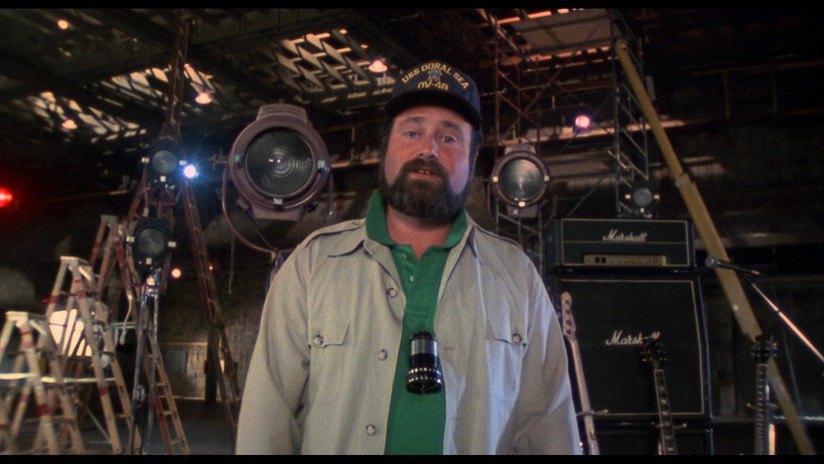
(Image via IMDb.)
You can’t stop people from being fascinated by death. It’s one of our most human qualities. But the commodification and capitalistic invasion of one’s privacy in the name of sating this desire in the most unethical manner possible is not “just giving people what they want.” What’s proven to be particularly stomach-churning in this instance is how Rob Reiner’s death has been hijacked as rage-bait for the right-wing. Donald Trump’s vile post on the topic is so loathsome that it doesn’t bear repeating, nor do the endless streams of MAGA smarm latching onto a known progressive and making sport of his suffering. The Trump White House loves to use pop culture as its battering ram to further its fascist rhetoric, but even die-hard Republicans seemed to balk at the mockery of the famously nice guy who made The Princess Bride. Not that they’ll do anything about it, alas. Not so secretly, I think they like having another example of “Hollywood liberals gone mad” to point to and laugh.
None of this is exclusive to the famous, of course. Think of how many people lost loved ones during the COVID pandemic and had to suffer the indignity of their passings becoming conspiracy fuel for anti-vaxx losers. Parents whose kids died in school shootings faced years of abuse from ghouls like Alex Jones, who monetized their pain to further a hard-right agenda. Mourning is a deeply private thing we’re all forced to do publicly.
I can’t imagine how hard it will be for the Reiners, who will be ravaged by the agony of such staggering loss, followed by possibly years of legal cases and further intrusion by the media, public, and deranged presidents. And it’s only going to get worse. The tabloids will get more photographs of things we were never supposed to see, and the clicks will go through the roof for whoever shares them. We’ll see more paparazzi yelling invasive questions at the mourning family and friends. There will be a race for more “exclusives” from “sources” breaking every moral code of their profession and species. True crime documentaries and podcasts are being commissioned as we speak. TMZ publishes photos of grieving friends with heart emojis in the title. The trades are sharing stories from associates and hangers-on that attempt to spin innocuous anecdotes into prophetic visions of what would follow.
There are ethical ways to cover cases like this, but they’re seldom adhered to. The reasons for this are painfully obvious. There’s no money in respect, in leaving things be and moving on when appropriate. Changing this will require a total shift in both cultural and societal mindset, but the dead celebrity/true crime industrial complex looms large over us all in ways that are tough to disengage from. Remembrance and empathy are powerful forces we should never do away with. Rob Reiner made movies that centred joy and positive action over letting the bad guys win. That’s a legacy that will long outlast the headlines. If only we and his loved ones didn’t have to be overwhelmed by so many of them in the meantime. To quote This is Spinal Tap, it’s too much f*cking perspective.