Reading Hollywood: Pandering – I Read Heidi Fleiss’s Coffee Table Book
The legendary Hollywood madam made an unexpected choice with her post-prison publishing debut

In June 1994, the Los Angeles Police Department arrested Heidi Fleiss. Her status as one of the most sought-after madams in Hollywood was an open secret among those in the know, including among the cops who loved to shake down sex workers. This wasn't the first time that the LAPD had made a big arrest in the sex industry, but Fleiss was a unique figure in her trade: young, gorgeous, charismatic, and immensely ambitious. She became the go-to woman in town for men of a certain tax bracket to procure gorgeous and "high-end" escorts.
But she wasn't exactly honest on her own tax returns, and after a very questionable sting, she was put on trial. She was convicted of federal charges of tax evasion in September 1996 and sentenced to seven years in prison. The case was front page news for weeks as the press eagerly hoped that details of Fleiss's A-List clientele would be made public. Her infamous little black book -- a red Gucci planner -- was talked about with fear and anticipation. But nothing really juicy came out of the trial, and the press moved onto the Menendez Brothers and O.J. Simpson. Fleiss served 20 months behind bars then was released to a halfway house in November 1998.
After that, having been made all but unemployable to the majority of the world, she set about reclaiming her fortune, but on her own terms.
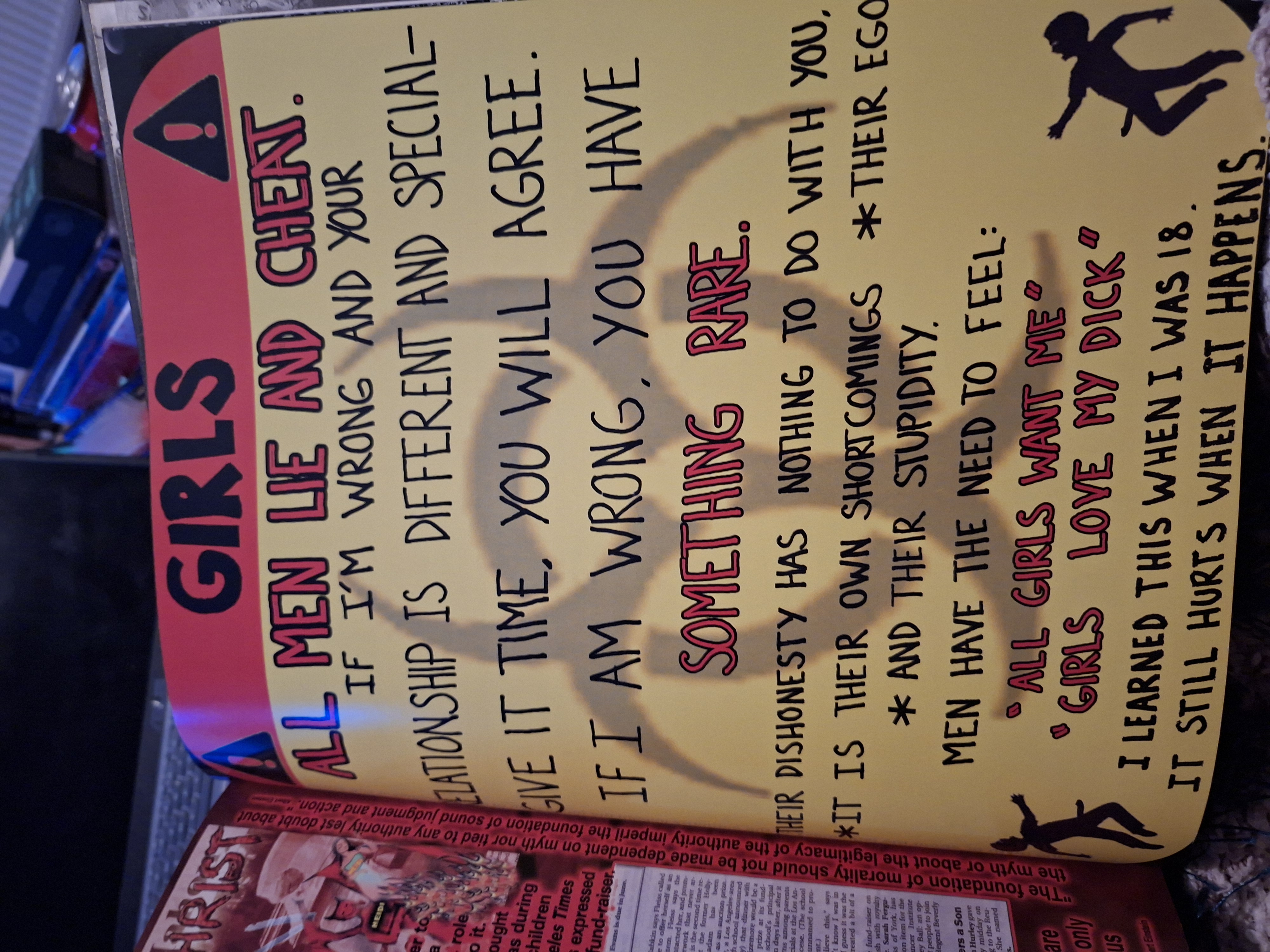
(Image via myself and this big-arse book I bought from eBay.)
Pandering was Fleiss’s version of a memoir. The coffee table book was self-published, with Fleiss choosing to bypass the traditional venues and reported seven-figure offers to tell all. She had made a big deal out of not wanting to rat out her former clients, and every offer she’d had to tell her story came with the caveat that she should name names, if only to get the world’s attention.
The book is a fascinating and deeply of-its-time relic. It feels like a slice of the early days of self-publishing when it still had that homemade feel and charming lack of polish. Pandering is full of anecdotes, conversations, newspaper cuttings, and transcripts of search warrants. A lot of it feels like a zine or a '90s kid's scrapbook, right down to the pixellated images and old Post-It notes. It’s not unlike Madonna’s Sex, albeit with a scrappy DIY candour and aesthetic that feels like the polar opposite of that book’s monied polish (but both were over $50 to purchase at their times of publication – high end literature.)
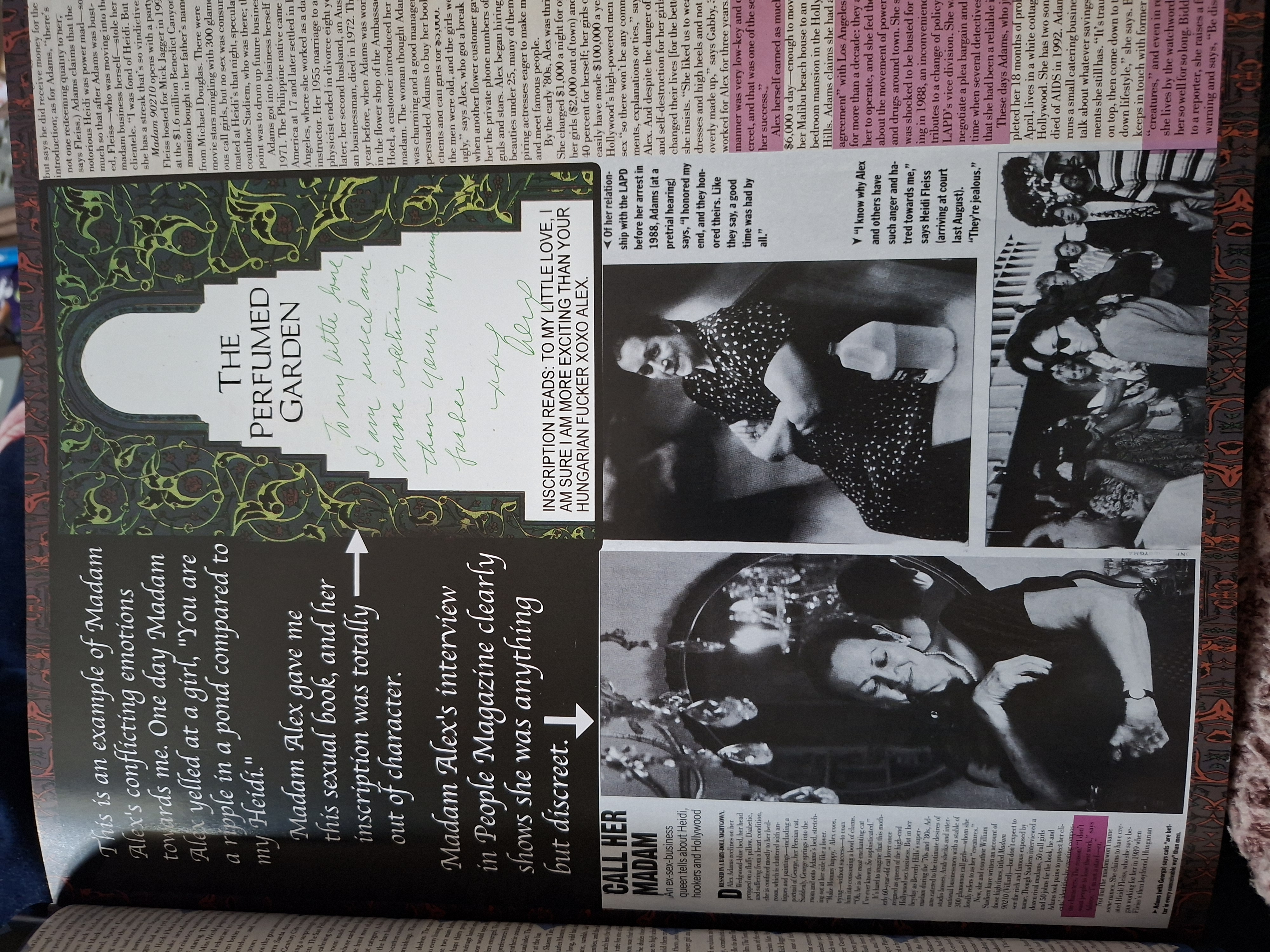
It certainly has many revelations, even if it’s not the names of rich men who pay for sex. Fleiss grew up in a comfortable middle-class California household with a paediatrician father, Dr. Paul Fleiss, who was beloved among the hippie parentage set and eventually became a controversial figure in his own right for toying with AIDS denialist conspiracies. She went on to date Iván Nagy, a film director and all-round creep who treated her terribly, and through him she met the legendary Madame Alex. One of the most famous madams of her generation, Elizabeth Adams was both a mentor and rival to Fleiss. She cites Adams as her biggest influence but also someone to improve upon. Alex’s girls weren’t attractive, according to Fleiss, but they were known for being “classy” and charged accordingly. For Heidi, the real money was in beautiful hand-picked sex workers and the allure of being the best of the best. If the city hears your services are number one then they’ll pay top dollar for it. Fleiss, the madame, earned her first million dollars in four months.
In Pandering, Fleiss is open about her complicated feelings on Alex, a woman who seemed to need her desperately but had to take every chance to mistreat her. For every moment of kindness, there was a burst of anti-Semitism or victim-blaming (also she was working with the cops the entire time so screw her.) Alex certainly represented the old way of business, meaning she eagerly embraced the LAPD and pushed her girls into unpaid sex with these creeps to keep her nose clean. Fleiss didn’t want to do that, which hurt her more than actually selling sex. But for all of Alex’s claims of discretion, she was always running to the press to tell stories about her life. Despite it all, Fleiss admits that she still loves and misses Alex.
The most interesting elements of Pandering can be found in the mountains of receipts that Fleiss offers throughout. She kept a hold of every document, newspaper cut-out, and piece of police evidence held against her, and she fashioned it into a dense collage of life before, during, and after the trial. There’s a lot of work that goes into being a madame, and Fleiss is unsparing in detailing the sheer labour of managing dozens of women across various locations and with millions of dollars on the line. It makes for an erratic reading experience, scattered and emotionally fraught but often very funny and furious. You get the sense that his book is Fleiss trying to piece together a richer narrative of her life than the one the press latched onto, or the one pushed by prosecutors to spin her as a corrosive force on American decency.
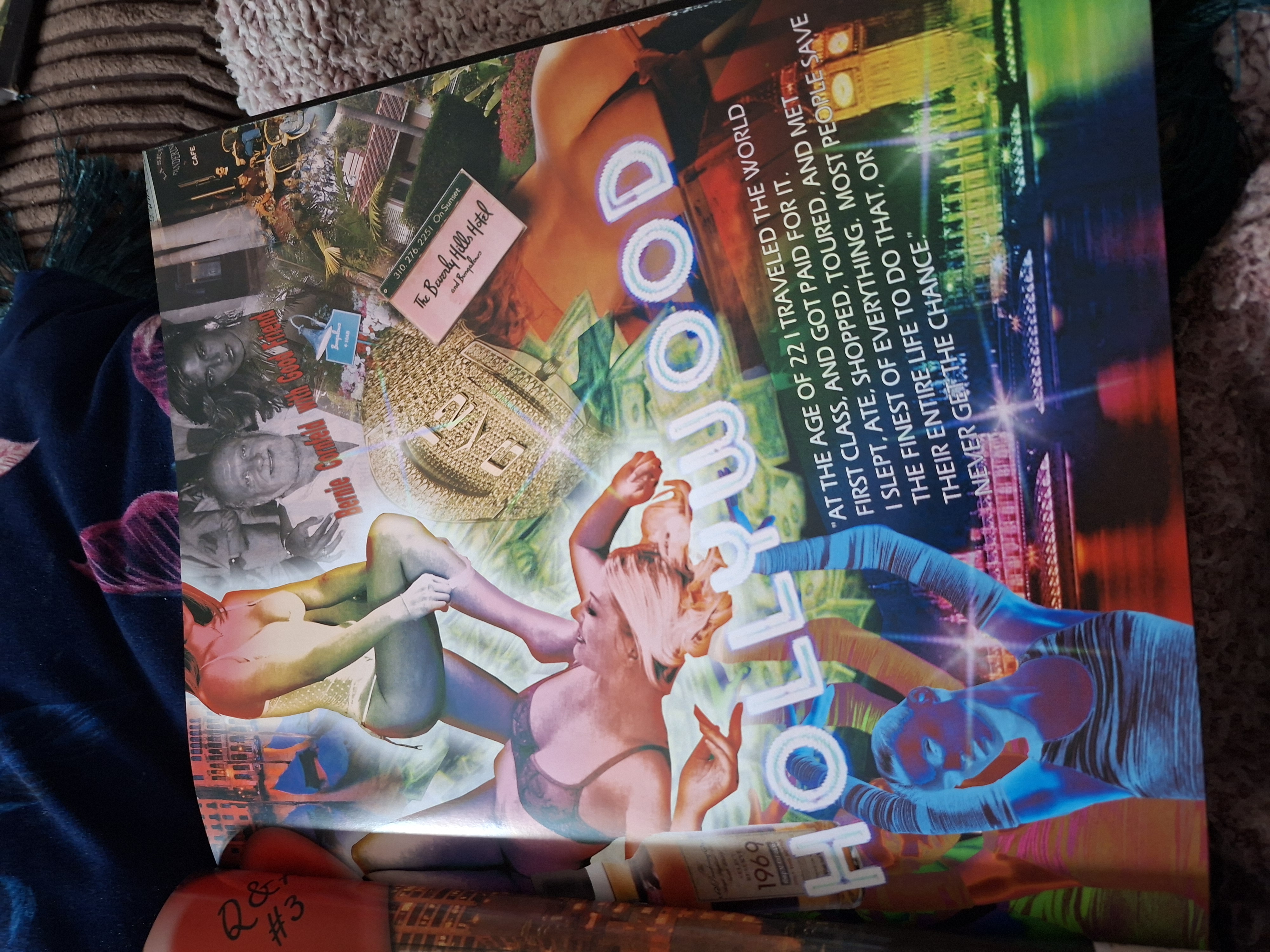
Throughout the book are quick Q&As with former members of Fleiss’s workforce, all of whom are highly complimentary of both their ex-boss and their time in the sex business. They talk about clients good and bad, big paydays, and feeling looked after by Fleiss. Yeah, Fleiss was hardly likely to include those who had terrible experiences with her, but I do think there’s truth to these women’s words. At the very least, it is a welcome contrast to the overwhelming whorephobic media narrative of sex work being exclusively populated by trafficked women.
She saves her true ire for the “police informants, rats, liars” and “jealous and rejected hookers” who sold her down the river and testified against her. We get transcripts of their testimonies and anecdotes about how crappy these women were at their jobs. Bitter? Yeah, but prison will do that do you. A lot of men got her in that position through some questionable means, including potentially illegal wire-tapping, and they went wild with endless press appearances bragging about the experience as Fleiss became a front page constant. She had a lot of material to share, from glossy magazine write-ups to endless cable news coverage to editorial cartoons. You find yourself overwhelmed by the sheer amount of what’s available. Imagine how Fleiss felt in the moment.
She’s also still a show-woman who wants to give the people what they want, or at least a version of that. She never named names, which put off other publishers who offered big money for her story (a copy of one such contract ends up in this book.) A couple of her regulars had been revealed to the world via the trial, most infamously Charlie Sheen, but nothing comparable to Fleiss’s early comments about having enough info to end several major marriages. She was keen to maintain a level of discretion, not unlike her reputation for such during her madam heydays. Besides, why drag others down after what she’d been through, including relapsing in jail and being publicly humiliated by the cops?
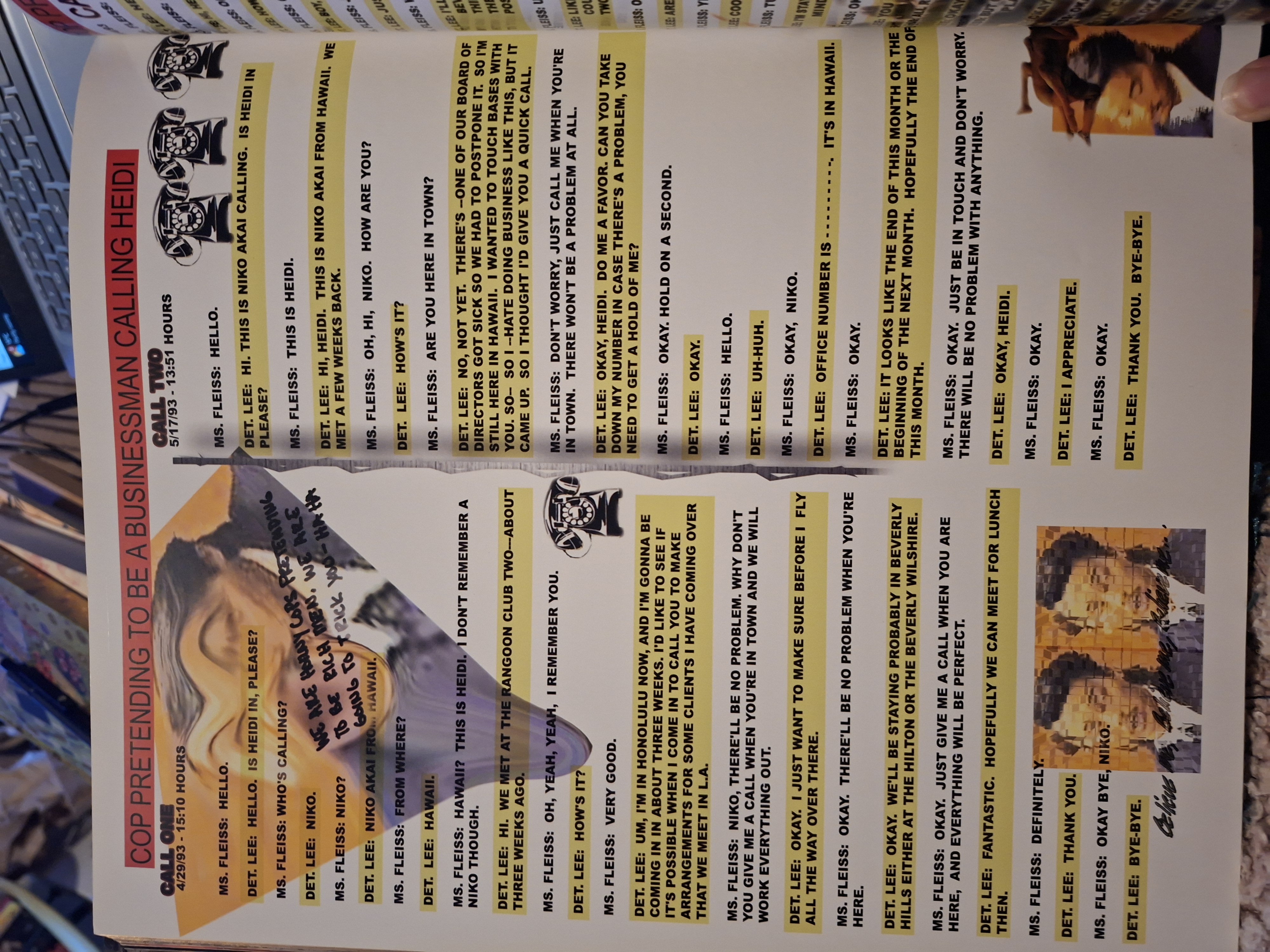
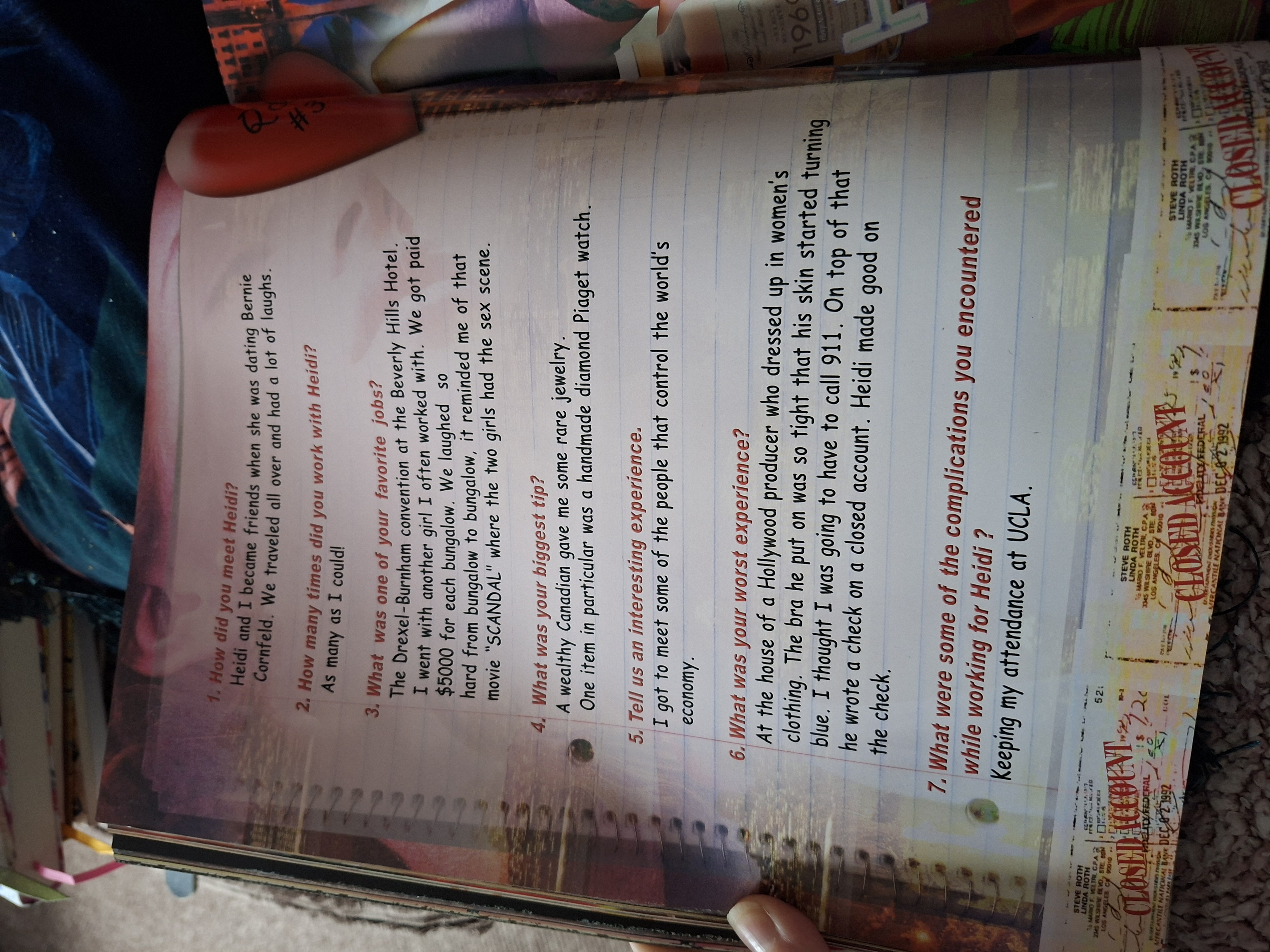
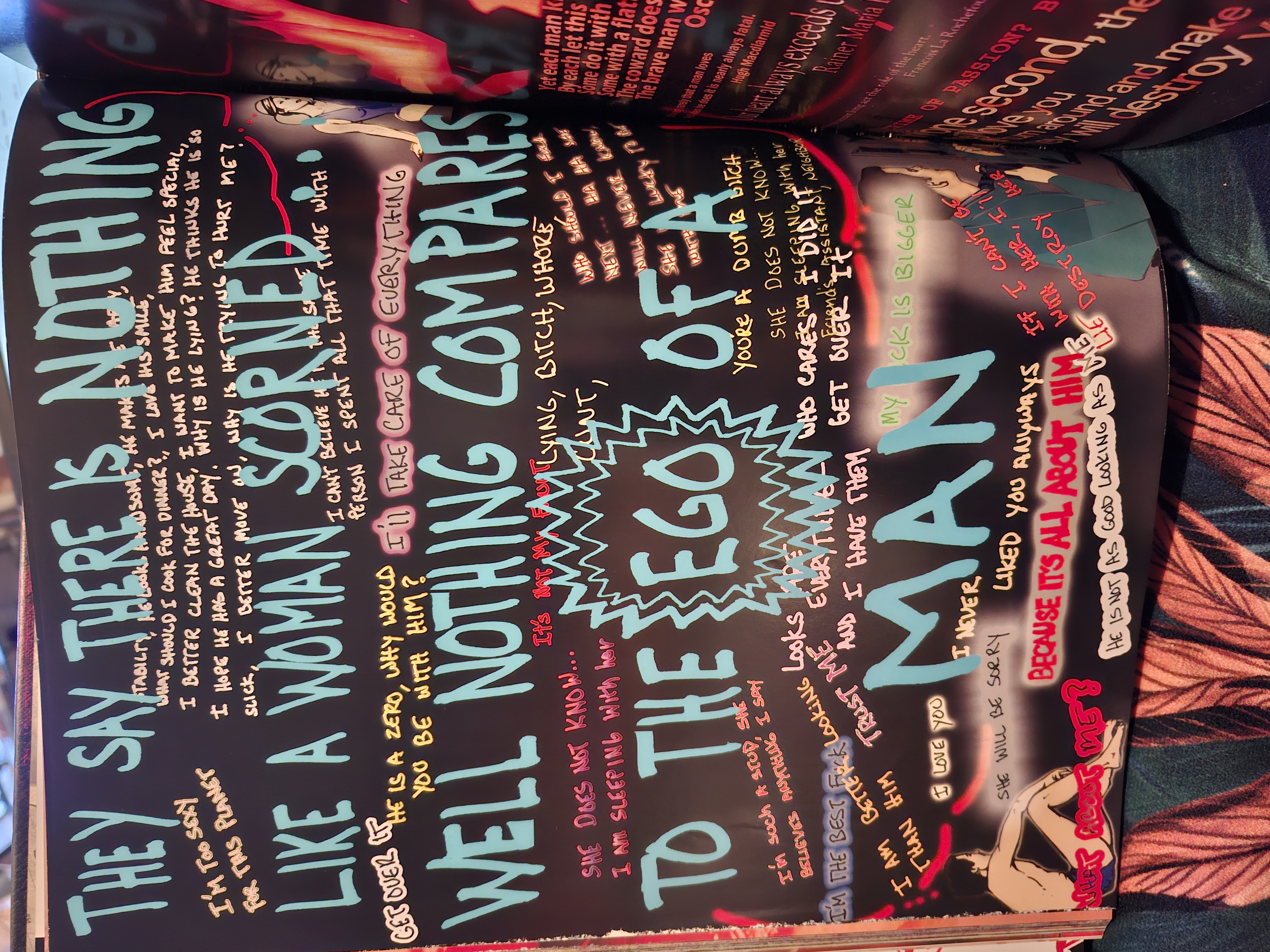
As you can imagine, her experiences left Fleiss with a negative view of men. The book is full of philosophies on how women should get everything they can out of these scrubs because they’re going to be exploited anyway. Men aren’t as smart as women, they’re crueller, and they have more power. They’ll f*ck you up so f*ck them up first. “Men put laws on women’s bodies because they know the power of a woman’s body is too strong,” she declares, not incorrectly. There’s something about it that also feels of its time, that period of ladettes, Playboy merch, and Spice Girls where being just as raunchy and full-on as the guys was seen as a demonstration of equity. It also makes a lot of sense when you remember that Fleiss has spent most of her life dealing with rich a-holes who have never faced a single repercussion in their entire lives. That and cops.
A little time is dedicated to Fleiss’s time in prison, as well as her Heidi Wear clothing line, which included boxers that came with a little pouch for men to keep their condoms nearby. It was an ahead-of-its-time move that proved successful at first but didn’t have much long-term value. Mostly, the world of celebrity wanted Fleiss to blab about her little black book and she continued to say no.
By the end of the book, Fleiss offers what she believes to be a moment of hopeful scepticism. “Nothing really changes. The covers of Time and Newsweek from thirty years ago are still addressing the same issues as the covers today […] If you realize most women are evil rotten bitches, and most men are predictable pigs, and someone else is always going to be on a morality crusade… It should be easy to sit back, relax, and smile. Be optimistic because you know what is out there. The world is not such a bad place and we are lucky to be here.”
It's bleaker than positive, really. Trust nobody except yourself and things will work out okay. Fleiss is candid but also clearly bitter about her experiences, and you can’t blame her for it. Her rise and fall was speedy and all in the name of making the LAPD look good. She’s mad at herself for not listening to her gut and saying no to the set-up that got her arrested. She’s struggling to reconcile her anger at Madame Alex with her real love for her duplicitous mentor. She’s sad the good times are over and tired that the mistakes of the past seem doomed to be repeated.
In her podcast Heidiworld, the definitive biography of Fleiss, writer Molly Lambert details how the myriad hypocrisies regarding sex, gender, and labour made Fleiss not only an easy scapegoat but the canary in the coalmine of the conservative cultural backlash of the ‘90s. The world’s oldest profession became a convenient way for cops, politicians, and the media to clamp down on growing demands for legislative autonomy while reinforcing a rigid status quo. This was the era of Bill Clinton and Monica Lewinsky, of Newt Gingrich’s control of Congress, and the almost immediate decline of the newly introduced NC-17 film rating.
Sex didn’t go away. It never does. Britney and Christina were being simultaneously leered at and scorned for the sexualized images pushed onto them by adult men. The press was feverishly speculating about the production of Stanley Kubrick’s last film, Eyes Wide Shut, wherein it was rumoured that married stars Tom Cruise and Nicole Kidman would be engaged in wall-to-wall sex scenes. As a new millennium rolled on, the Bush administration proudly palled around with the evangelical right and put money into dangerous crap like the purity ring movement over sex education in schools. Janet Jackson’s nipple caused an international panic. Obsession over Jennifer Lopez’s low-cut Versace dress led to the creation of Google Images. And that doesn’t even cover the sheer number of pastors and politicians who preached anti-freedom rhetoric then got caught with their pants down. The cycle is endless.
During this period, post-Pandering, Fleiss planned a return to the sex industry with Heidi’s Stud Farm, which would provide hot male sex workers for eager women. It never got off the ground, with some claiming that women just didn’t want to pay for sex in the same way that men did. I don’t buy that. There is 100% a provable market for a stud farm. I think the industry, and Nevada’s tight legislative control over the sex business, didn’t want it.
Nowadays, Fleiss is out of the sex industry and living in Nevada, where she runs a private airfield and bird sanctuary. She’s done reality TV here and there, including a stint of Celebrity Rehab, which I wrote about, but has mostly stayed out of the spotlight. She’s never named or shamed any former clients. In the rare interviews she does give, she’s rather messy on issues like #metoo and trans people, and candid about her experiences with her abusive ex, actor Tom Sizemore. She got caught up in a crypto scam at one point, and is still a heavy drug user by her own admission. Her Instagram account is full of videos of exotic birds, then a post featuring an Epstein Island t-shirt with an illustration of a naked Jeffrey Epstein from the stocks.
The continued targeting of sex work under the guise of protecting children and clamping down on trafficking has helped to enforce a lot of bad laws. Only recently, an Australian anti-porn lobby group targeted Steam and Itch.io, two major gaming platforms, and demanded that they remove all adult or NSFW content from their library. As many noted, this led to the removal of many games with LGBTQ+ content, sexual or otherwise. This is, of course, deliberate. A lot of anti-sex work rhetoric is heavily wrapped up in queerphobia and garden-variety misogyny, and it’s perpetuated by many so-called feminists.
I don’t mean to portray Fleiss’s sex ring as some utopian example of a decriminalised system. That’s not what this was about. The issue is that, in the decades since Fleiss was made an example of, things have gotten worse for sex workers in ways that haven’t made them safer. For me, Fleiss’s story is another reminder of why I’m fiercely in favour of the total decriminalisation of sex work. Archaic laws rooted in a misguided need to protect women from themselves only make it easier for sex workers to be abused, be it through clients or the cops. Pushing sex work underground only makes it more dangerous for workers and easier for abusers (within and outside of the justice system) to exploit it. It’s a hell of a lot harder to look out for those who find themselves in the business unwillingly if you criminalize them or make it impossible to seek help. There’s no situation in which making things better for cops will help women feel safer.
While I was writing this piece, I noticed that Pinky Promise Films, the company behind The Last Showgirl, received some California state credits for a planned Fleiss biopic. I’ll be interested to see how they portray her. Perhaps she’ll receive the “wronged woman of the ‘90s is reassessed” narrative bestowed upon so many of her contemporaries. At least Ryan Murphy isn’t making it.