Reading Hollywood: I Read Veronica Lake’s Candid Memoir
“Would you rather I be a brunette?”
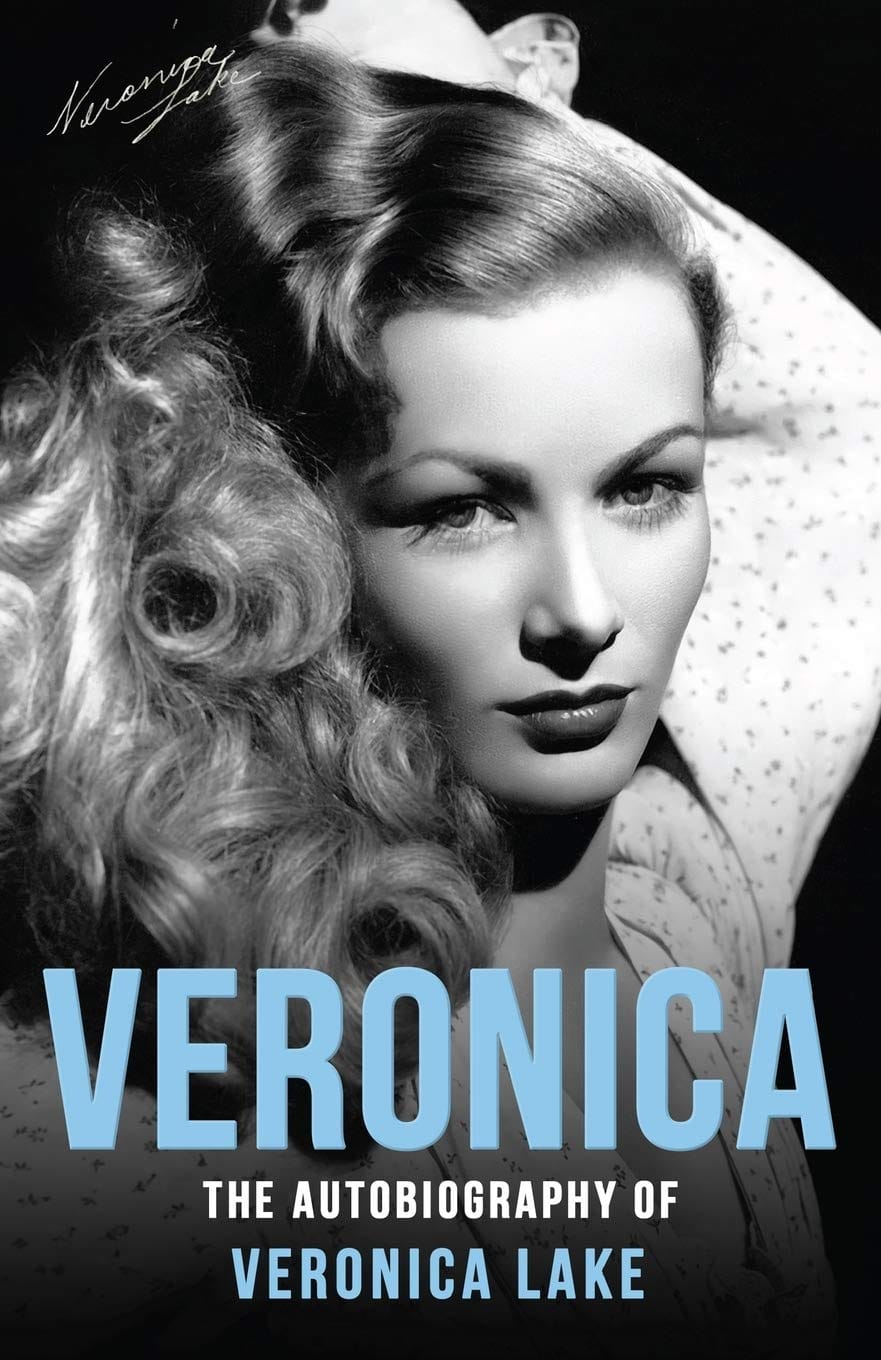
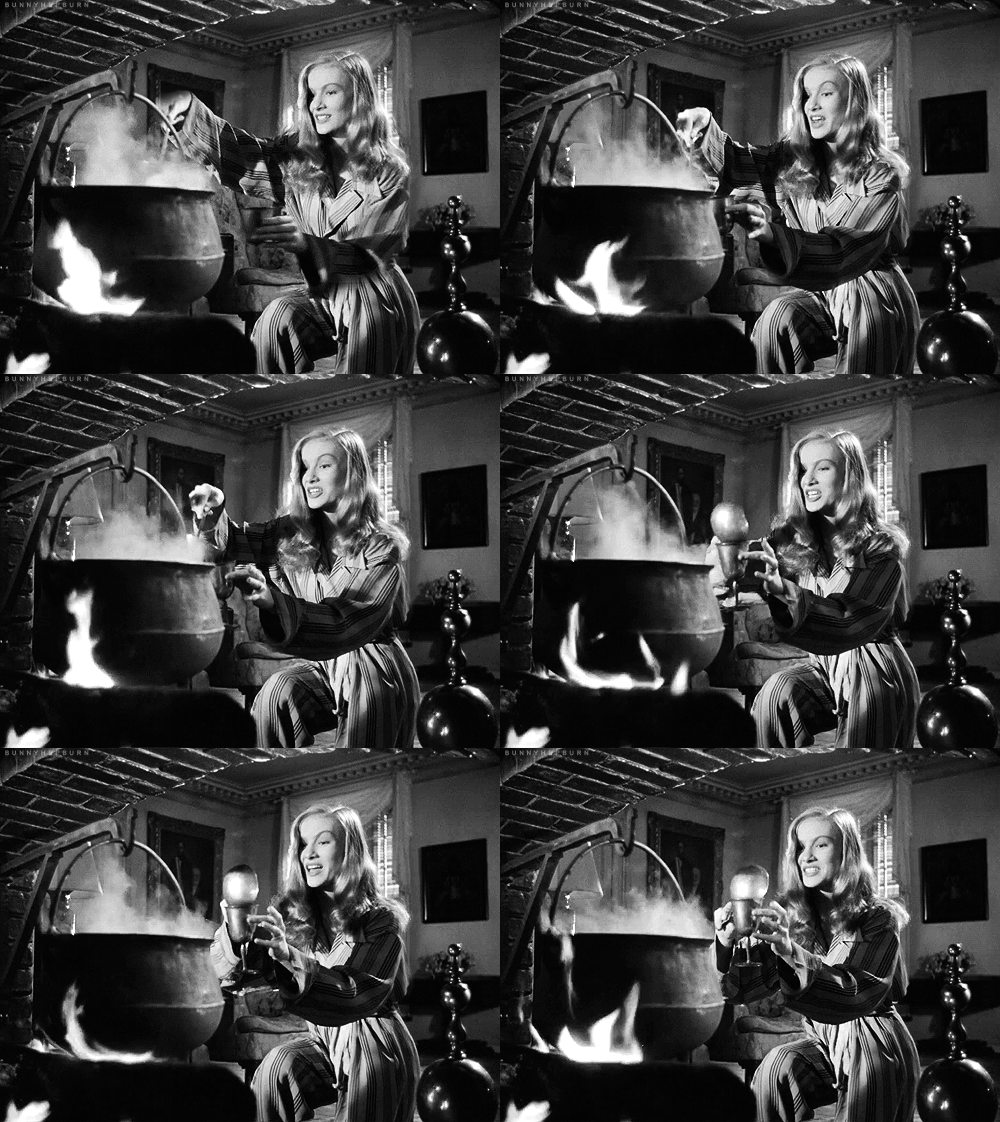
While browsing YouTube for something to watch, I stumbled upon I Married a Witch and realized I’d never seen this gently spooky screwball rom-com that was, to put it professionally, 100% my jam. I settled in and discovered that it’s just as delightful as its title suggests. The witch in question is Jennifer, who is burned at the stake alongside her father during the Salem trials. Before burning, she curses the Puritan Jonathan Wooley and his entire lineage to be stuck in unhappy relationships with women who are all wrong for them. Of course, once Jennifer is resurrected in 1942 and decides to keep up her torture of the Wooleys, things go awry.
I Married a Witch is hilarious and charming, like a progenitor to the current trend of cozy fantasy. Add it to your Halloween movies rotation. The star of the show is Veronica Lake, a bombshell whose acting talent was often dismissed by critics but obsessed over because of her iconic hair. Anyone who's seen Sullivan's Travels knows how good Lake could be, but Hollywood was not a place for women who wanted to have autonomy or dignity. Lake's career peak was brief. She earned a reputation as "difficult", which usually means she said "no" to a creepy executive and suffered the consequences. Since I Married a Witch had me eager for more Lake, I picked up a copy of her memoir, long out of print but now available via Dean Street Press.
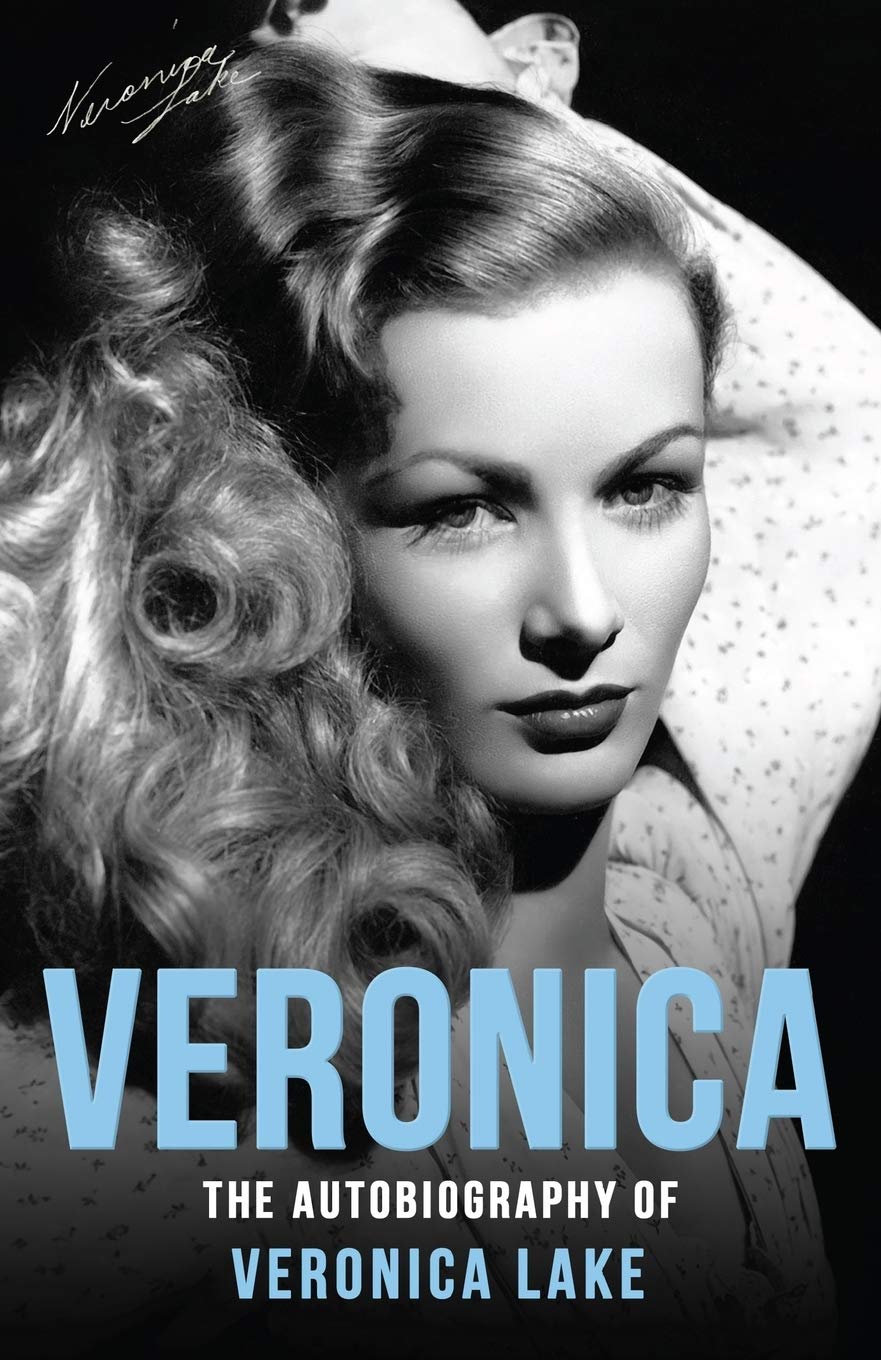
Veronica was ghostwritten by Donald Bain, a prolific author and ghostwriter whose name you might recognise as the pen behind all of Jessica Fletcher's novels. Lake dictated her thoughts to him, as was common for such memoirs, and he fashioned it into a short but juicy read. The book helped to push her back into the spotlight and she used the profits from its sale to fund a rather schlocky horror movie she was starring in. With books like this, it can be hard to judge how much of the story is Lake's voice and how much is Bain's intervention. At the very least, we can read Veronica as the crafting of an icon and its subsequent rebuttal.
Born Constance Ockelman, she first became Constance Keene after taking her beloved stepfather's name, then had it changed to Veronica Lake producer Arthur Hornblow Jr., who cast her in her first major movie, I Wanted Wings. She was still a teenager when she became a sex symbol, still living at home with her tyrannical mother who pushed her into a film career and sought to control her rise to the top. As Lake noted, her mother made her call her "mommy" and accompanied her on dates, not out of maternal protection but professional focus.
Lake liked acting but was mixed on fame, had a good sense of humour about herself but also the confidence to celebrate herself when nobody else would. Like many women of Golden Age cinema, she was invented by men at a studio and crafted into a type, then punished for deviating from that stifling norm. for Veronica, her type wasn’t rooted in her talent but her admittedly gorgeous blonde hair. While doing a screen test, her hair kept falling in front of her eye, which greatly pissed her off. She thought it would kill her chances at getting work but instead it became her calling card. In her book, Lake views it as a weird quirk of fate and a serious case of much ado about nothing.
One of the most fun things about Veronica is how witty and over-it Lake is. She talks positively about many people, like her frequent co-star Alan Ladd, but doesn’t romanticise their time together. It was all thoroughly professional and not a defining part of her life like some would spin it as. This means she’s also no-BS about people she didn’t like, such as her I Married a Witch co-star Fredric March. He disparaged her endlessly. She wrote, “I don’t believe there is an actor for whom I harbor such deep dislike as Fredric March.” He treated her like dirt on-set, so she strapped 40 pounds of weights under her dress when it came time for her to carry her in a scene.
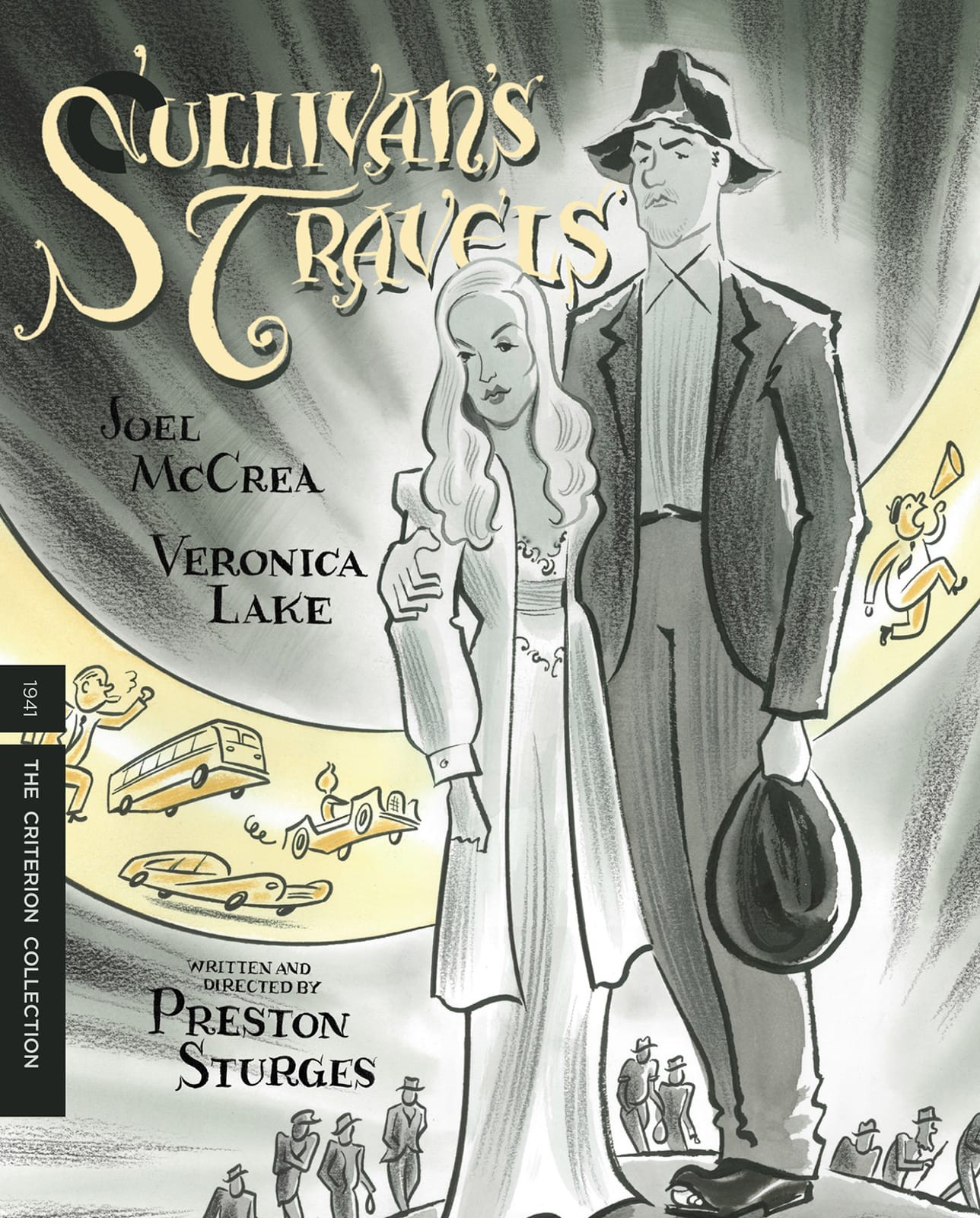
The industry may have claimed she was difficult but Lake sees herself as a striver who sees no reason to do something if it makes no sense. She married to get away from her mother, from whom she eventually became estranged, and hid her first pregnancy during production of Sullivan’s Travels because she wasn’t going to let a bump get in the way of her career. It was worth it because she’s excellent in that film and it helped to prove that staid femme fatale roles were not for her. She was a spitfire comedy queen. Alas, Paramount didn’t agree.
There’s a lot of darkness in Veronica. Her first husband left her after she miscarried and could never deal with her becoming a star and reducing him to “Mr. Lake.” Her second husband, director Andre de Toth, was a tyrannical loser who spent her money like it was going out of style and the pair ended up having to file for bankruptcy. During her third pregnancy, Lake’s mother sued her, claiming her daughter had promised years of support payments that never came. Her third marriage was a blip.
(Image via Criterion.)
The second half of the book is largely dedicated to her time away from Hollywood, working in TV and stage, before taking up bartending work to pay the bills. It was during this time that the press tracked her down and she became the subject of various “you’ll never believe what happened to this fallen star”-style stories. Lake is unapologetic in her self-analysis. She wanted to work, to hang out with interesting people, and to drink. Her alcoholism is not ignored, although it’s not exactly called out as such.
The most emotional stuff comes with Lake’s love affair with Andy, a sailor who she met while bartending. Both drank heavily and seemed co-dependent but Lake speaks of their four years together as the happiest in her life. His mental and physical decline becomes evident after many months at sea, and as he refused to seek medical treatment for his increasing problems, he died prematurely. Lake was informed of the news the day after his passing as Andy’s family chose not to tell her. She wasn’t able to go to his funeral either. The whole section feels like its own dark romance, akin to Days of Wine and Roses.
A lot of Veronica feels of its time in terms of a woman speaking out for herself but still eager to maintain an image that could never be described as that of a victim. She calls out studio heads who use the casting couch and for being “a unique pocket of fascism in democratic America” (a great quote) but still praises the business for its hard graft. She takes a hilarious swipe at Ronald Reagan and Shirley Temple for thinking their work as actors makes them good enough to be politicians but gets a bit both-sides-y with the Vietnam War. Many of the really dark moments in her life are dealt with quickly in a way that makes me wonder if she simply wasn’t ready to confront her own pain. You can see her keeping a brave face throughout this process. In one scene, an actor tells her to never let the crew see you cry because it will immediately be used against you. It’s a philosophy that forms the backbone of the entire memoir. Why be bitter or sad about it no longer being the good old days when there’s life to be lived in the here and now?
Other biographies of Lake may offer greater detail on her career and the pricklier parts she skips over but Veronica offers an old-school perspective on Hollywood and womanhood that is highly worth checking out. There’s a rawness to this that would never have been allowed had Lake still been attached to a studio or working with a modern-day publicist (she straight-up describes sexually pleasuring Andy in one moment, which you’d seldom see even in modern memoirs from celebrities of this calibre.)
Thanks for reading Gossip Reading Club! This post is public so feel free to share it.
Lake worked in Hollywood during the time of the Hays Code, when powerful and sexual women had to be punished by the narrative, which usually meant they were killed off. In her book, written in middle age and at the tail-end of the Code’s decline, she gets to be ballsy, crude, funny, honest, and deeply un-Hollywood. She was only 50 when she passed away from cirrhosis of the liver, acute kidney injury, and hepatitis. Lake was alone, estranged from her kids, and over 20 years gone from her last Hollywood film. Maybe you read Veronica and see it as a tragic tale. I certainly did in some places. But I don’t think she did. Perhaps she didn’t herald it as a grand story of resilience, but it was still a story worth telling and one of unvarnished truth in a time of blinding gloss.
Veronica is a speedy but worthwhile read. Check it out, then watch Lake’s three best films: Sullivan’s Travels, I Married a Witch, and The Blue Dahlia.