Oscar Seasoning: When You Get Oscar and Razzie-Nominated for the Same Role
Three actors have received this dubious distinction. How did it happen and did they deserve it?
Being nominated for an Oscar is often the zenith of a film star’s career. It’s Hollywood’s highest honour, the sign that you’ve made it, and that your peers have singled you out for your greatness. Or, at the very least, it’s a sign that your colleagues like you and think you deserve a moment in the spotlight for it, regardless of the work itself. The Academy is not great at giving the Oscar to the best performance without any baggage attached. There’s a reason so many beloved actors win not for their best work but for the most showboating role. Often, you see actors getting that career nod after decades in the business, or the ingenue receiving a nom as a slap on the back for a good start. It’s hardly a surprise to note that, sometimes, bad performances get Oscar-nominated. In three instances, best acting nominees were also acknowledged as the worst by a different group of voters.
There are three performances in Hollywood history that were nominated for both Oscars and Razzies: James Coco in Only When I Laugh, Amy Irving in Yentl, and Glenn Close in Hillbilly Elegy. How did this happen, and which award did they deserve the most?
The Razzies suck. They’re a half-arsed organisation of smarmy wannabe trolls with bad taste and a misogynistic streak a mile wide. Nobody takes them seriously, and neither should you. No fruit is too low-hanging for them, and it often feels like they’re punching down with their targets. Their, uh, illustrious nominees this year are actually reasonably okay: Snow White, Hurry Up Tomorrow, The Electric State, and the already legendary War of the Worlds (and all its Amazon product placement.) No Gal Gadot in Worst Actress, though. Huh. This is about as respectable as the Razzies get. One wonders if they decided to rein in their worst impulses after being called out for stuff like nominating children. But I’ve made my point, right? The Razzies are dumb, but there is something intriguing about how they define “worseness” and how it compares to the Oscars’ ideas of quality and greatness.
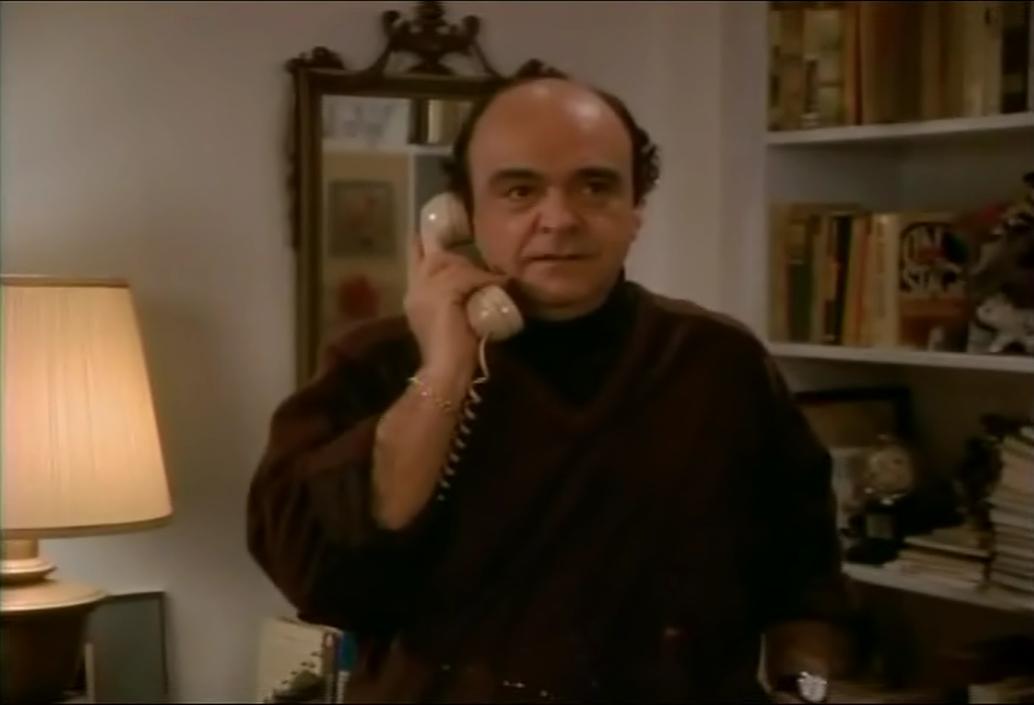
In 1981, at the second-ever Razzies, James Coco was nominated for Worst Supporting Actor for Only When I Laugh, a Neil Simon comedy about an alcoholic actress’s attempts to reconnect with her teenage daughter. Coco also landed his only Oscar nomination for the movie, where he played a perennially underemployed actor and the token gay BFF.
(Image via IMDb.)
While I only really knew this actor from a joke on The Simpsons, Coco was actually a celebrated stage and screen performer who won an Emmy and was nominated for a Tony. He was a regular collaborator with playwrights Terrence McNally and Neil Simon, the latter of whom wrote a play, The Last of the Red Hot Lovers, especially for him. You may have spotted him in The Muppets Take Manhattan or the movie of the musical Man of La Mancha.
As far as I can tell from reviews, critics seemed pretty in favour of Coco’s performance in Only When I Laugh. When you hear that an actor got Oscar- and Razzie-nominated for a gay role in the ‘80s, your imagination goes a bit haywire thinking about the worst possible performance. Coco, though, isn’t overplaying it. His performance is reasonably down-to-earth, as much as it can be when he’s dealing with some very stagey dialogue and characterisation that has fewer than three dimensions. The entire cast is Simon pros who know how to make his zinger-heavy blend of laughter and depression sing. But it’s also definitely not top-tier Simon. Most critics thought the movie was okay -- it was a more comedic rewrite of a straight drama play, and maybe it should have stayed that way -- but both Siskel and Ebert HATED it. In his one-star review, Ebert wrote that the film was “phony”, a sentiment echoed by Siskel. But neither were they mean about Coco or any of the other actors. They placed the blame at Simon’s feet for these inauthentic characters who speak mostly in poor one-liners.
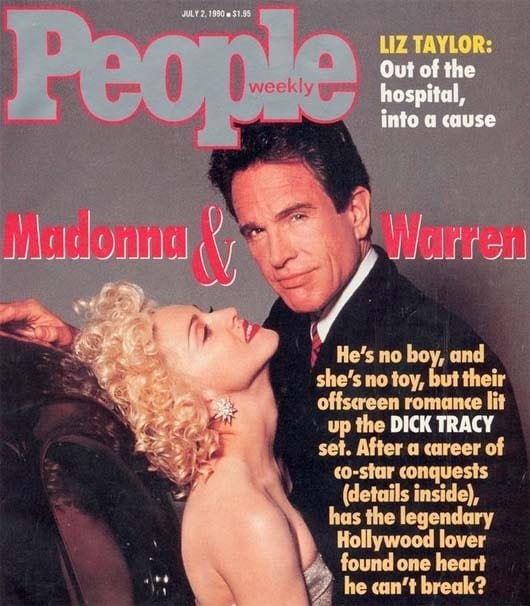
The Razzies’ tendency to go for easy targets usually results in a lot of misogyny. They love to keep nominating and denigrating women largely known for being sex symbols regardless of their performances, like Madonna and Demi Moore. With Coco, I cannot help but feel like the pick was pure homophobia, booth for the character and the man himself (he was never out in his lifetime but it was known among many in the theatre world.) It was 1981, the dawn of the AIDS epidemic, and gay characters on screen who weren’t evil or dangerous and didn’t die horribly was still a rarity. The role may not be well written but it was still ahead of its time, especially for a mainstream comedy designed to appeal to audiences across America. Maybe the Oscars were patting themselves on the back with the nom (he lost to another comedic performance, John Gielgud in Arthur), but that feels less icky than the Razzies making a target of Coco.
It’s also worth noting that, for his entire career, Coco was subject to a ton of fatphobia. Tons of comics cracked jokes at his expense. That reference in The Simpsons is just a fat joke. Coco even wrote a diet book, detailing the highly restrictive regimen he underwent to lose over 100 pounds. The Razzies would not be above a cheap gag at Coco for this. They suck.
Amy Irving was the inaugural Worst Supporting Actress nominee at the first-ever Razzies, for her performance in Honeysuckle Rose, a romantic drama that was a star vehicle for Willie Nelson. It wasn’t an excruciatingly bad performance, more an issue of miscasting than anything else. One wonders if the win had more to do with Irving having a brief romantic relationship with Nelson after the movie than the film itself. She ended up briefly splitting from her partner of the time, but they reunited. His name was Steven Spielberg. This will be relevant later.
(Image via IMDb.)
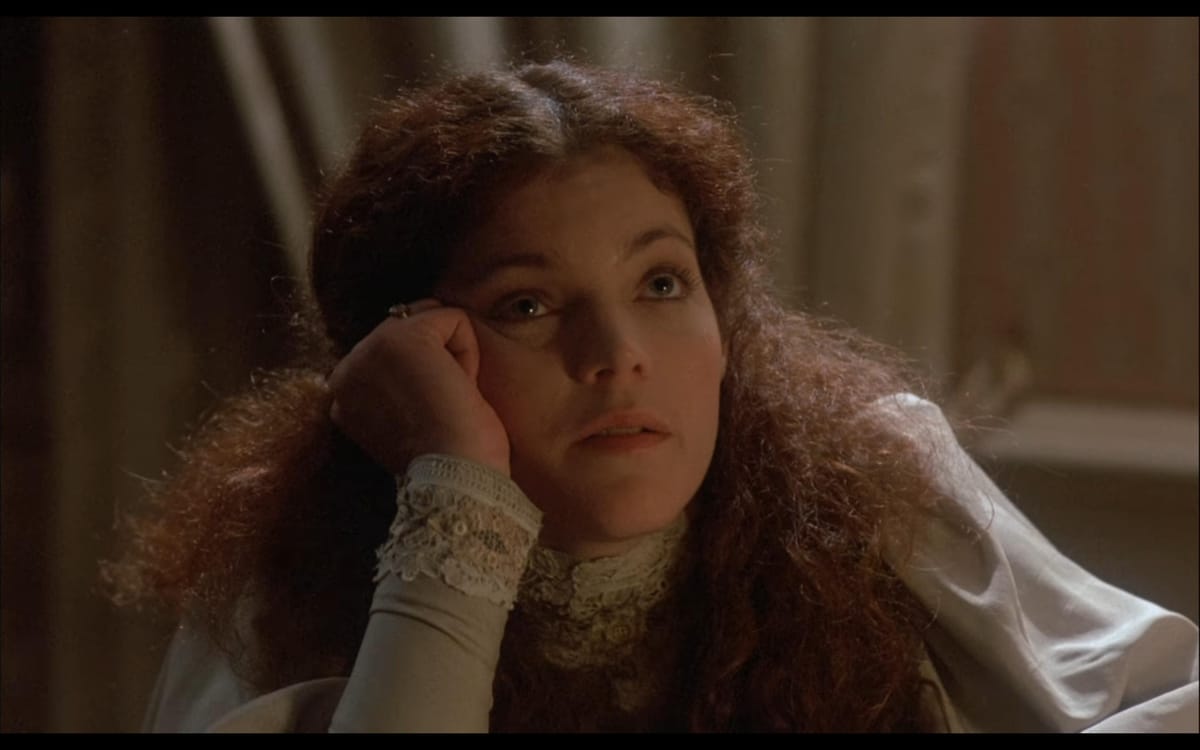
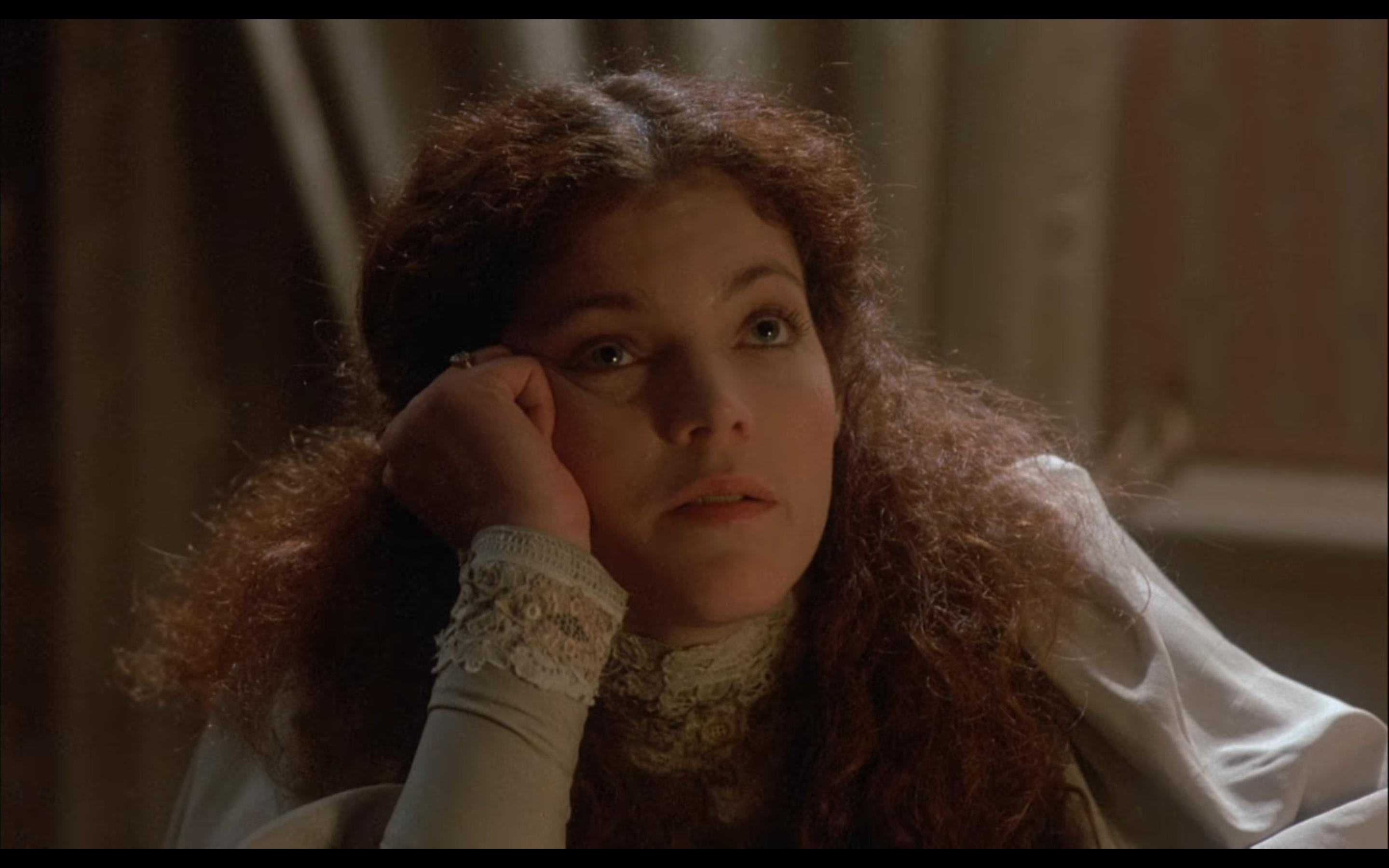
In 1983, Irving starred as Hadass in Yentl, Barbra Streisand’s directorial debut, about a young Jewish woman who disguises herself as a man so she can continue her religious studies. Yentl, calling herself Anshel, ends up married to Hadass, who had previously been engaged to Avigdor but had her wedding cancelled over fears of his family’s suitability. I love Yentl. I’m actually hugely into Streisand’s directorial work (read my deep dive into it on MUBI Notebook!) I also think Irving is really good in the film. She’s a young woman stifled by a conservative upbringing and the rigid gender binary that Yentl, unbeknownst to her, rejects. Hadass wants to be a good wife but also her own person, but self-determination is denied to her. It could have been a nothing part, but Irving is so luminous that she threatens to steal the scene from Barbra.
(Glenn, no. Image via Netflix.)
Yentl was famously underserved by the Academy. Streisand did not get nominations for Picture or Director, which was a huge deal at the time and even led to protests. Many felt that the Academy was trying to take her down a peg or two for daring to be an actress who moved behind the camera and still made herself the star (because men are famously so shy and retiring about their ambitions.) But Irving did get a Best Supporting Actress nod. She lost to Linda Hunt, who played a Chinese man in The Year of Living Dangerously (yeah, really.) And, of course, there’s the Razzie nom. She lost that one to Sybil Danning, the B-Movie queen, for both Chained Heat and Hercules.
I think the Razzie nomination is pure misogyny, to be honest. It felt more pointed towards Spielberg and Streisand than Irving: an implication that she only got the role because her partner made Jaws, and that Barbra needed to be humbled once more. Yentl is an extremely earnest movie, one some may call sentimental, and it centres two women’s search for freedom and connection amid the demands of a cruel gender binary. I imagine a lot of smarmy Razzie-voting dudes thought it was all too girly for them. Irving would have the last laugh, with amazing films like Crossing Delancy, and one hell of a divorce settlement from Spielberg.
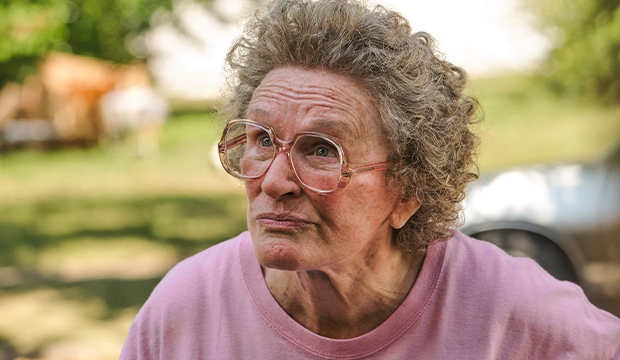
It would take until 2020 for another actor to get Oscar and Razzie-nominated for the same movie. And, honestly, this one might deserve the latter more than the former. Look, I love Glenn Close. It is ridiculous that she doesn’t already have an Oscar, either for Fatal Attraction or Dangerous Liaisons. She has nothing to prove to anyone about her range, grace, or willingness to go buck-f*cking-wild. Cruella, we respect it. But her performance as J.D. Vance’s grandmother in Ron Howard’s Hillbilly Elegy is the kind of thing we used to hold public hearings about.
Thanks for reading Gossip Reading Club! This post is public so feel free to share it.
Yes, we all got to play Captain Hindsight over that movie and book, and how it paved the way for a petulant sociopath with an eyeliner addiction and zero personality, but everything about Howard’s adaptation is also insulting and creatively inept. It’s poor people porn, a kind of gawking exploitative gaze that makes poverty seem like a grotesque sideshow. Everyone in it is bad, including Amy Adams, and it reeks of phoniness from snout to tail. When people think of smarmy liberal Hollywood pretending it knows the “real world”, this is Exhibit A. It’s so self-satisfied, and all in service of THAT guy?!
Frankly, it should have swept the Razzies, but Sia released her horrendous film Music and the MyPillow guy made a pro-Trump propaganda movie, so it didn’t even get nominated for Worst Picture. Close lost Best Supporting Actress to Youn Yuh-jung for Minari and Worst Supporting Actress to Maddie Ziegler for Music (seriously, leave the kids alone, you weirdos.)
Not to be like, “the worst person you know just made a great point” about the Razzies, but if they exist to puncture the pretences of the industry and its ideas of prestige, and then calling out Close’s abysmal hammery right as it landed her another Oscar nod was a good sign of that. You can see why the Actors Branch wanted to have another opportunity to celebrate Close, who has famously never won an Oscar. They love biopic performances and ones with some sort of transformation and accent. It was also the COVID year, and frankly, a lot of other competitors had moved their release dates, so the category was a bit more open than it otherwise would have been. But it does such a disservice to Close to be like, “hey, why not” with her work. Nominating great actors for poor performances just because we love them does them no favours. Meryl Streep has had this issue for her past few nods. Close signed onto a phoney piece of Oscar bait and kinda got rewarded for it, even if, mercifully, the movie received no other nods. That feels worth mocking, albeit with a sharper wit than the Razzies are capable of.
This year’s Oscar nominations are a pretty sturdy bunch. A lot of the so-called bait fell at the first hurdle and was overlooked by awards bodies in favour of festival fare and auteur-driven hits. You can’t be entirely mad at a year where The Secret Agent and Train Dreams are in the line-up, and a ton of middling biopics aren’t. But the Academy does love to celebrate hams, homework, and trite tropes that are falling out of fashion. A lot of actors we love who deserve an Oscar are probably going to win one for a not-brilliant performance because they’re overdue. And maybe that is something worth calling out on a professional level. But hoo boy, the Razzies suck, and we don’t have to hand it to them. They were creepy and sexist to Irving, and the homophobia towards Coco was obvious, and that’s just scraping the surface of their crimes.