Issue 26: What Harry and Meghan Did (or Didn’t Do) Next
Post-royal life, the Sussexes seem to be struggling to establish themselves.
Last month, People Magazine reported that Netflix would not be renewing its deal with Meghan and Harry, the Duke and Duchess of Sussex. The much-hyped signing, rumoured to be worth $100 million, was intended to bring original films, TV series, and documentaries to the platform courtesy of the then-newly independent pair. While sources talking to People insist that there is no bad blood following the end of this deal, it’s hard to square that claim with the undeniable disappointment that has been the Team Sussex’s output on the platform. Aside from the docuseries that followed the pair’s new post-royal lives, things have been thin on the ground. There was a documentary on polo that came and went without a trace. With Love, Meghan, a fluffy lifestyle show in the vein of Martha and Ina, was critically lambasted (I thought it was harmless but also not necessarily urgent enough to warrant further focus.)
Questions about the Sussex brand have been plentiful, and sometimes it's been tough to separate good-faith arguments from the bad. This is a couple, after all, who attract a needless amount of cruelty, and the misogyny and racism that's been directed at Meghan is both abhorrent and decidedly pointed. There's an entire ecosystem centred on vivisecting these people, often in the name of bolstering the British royals, an institution that should have been put out to pasture decades ago. There are way too many tinhatter weirdos online who are so invested in watching this pair fail that I have to wonder if Prince Harry wore the Nazi uniform at their birthday party.
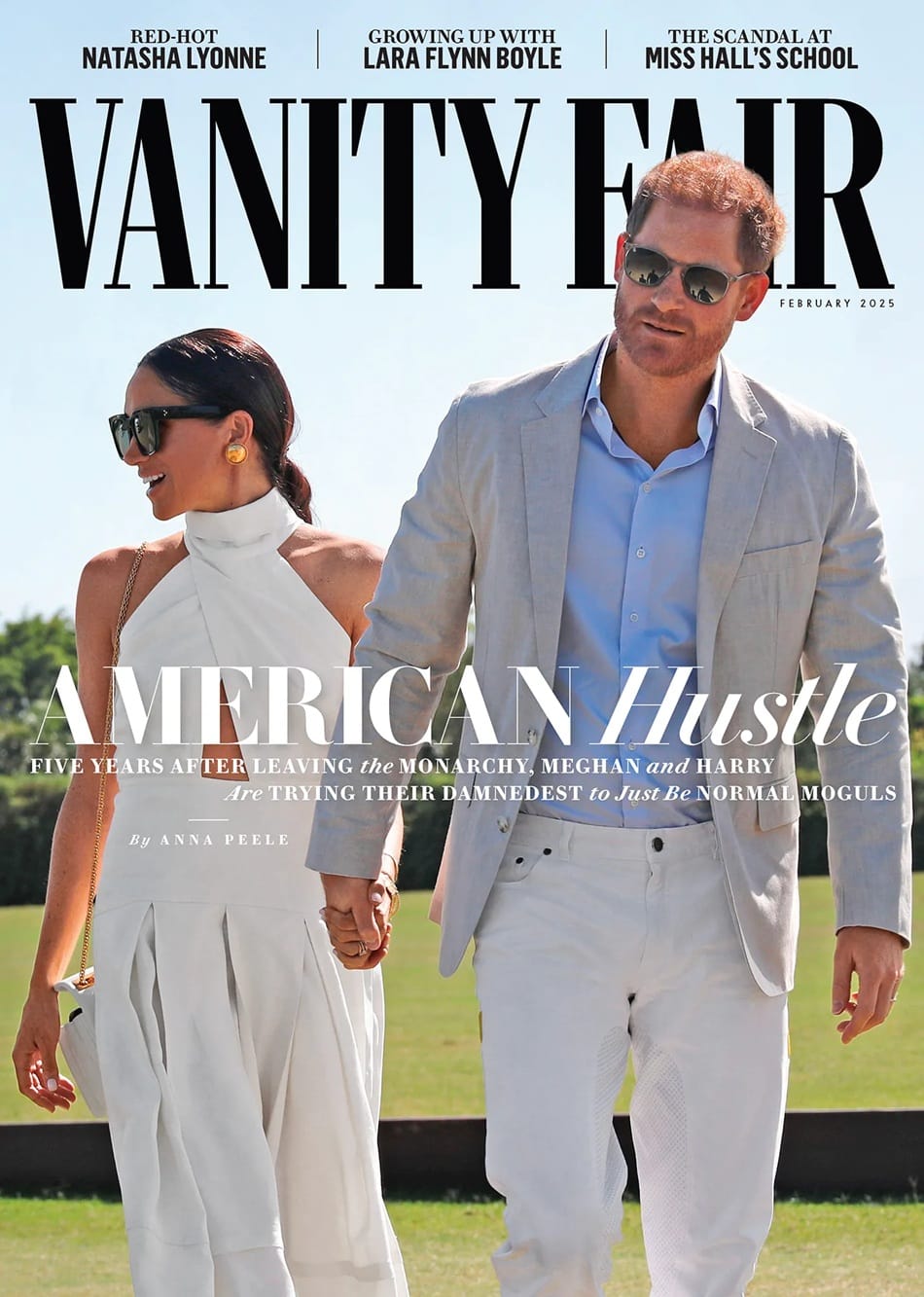
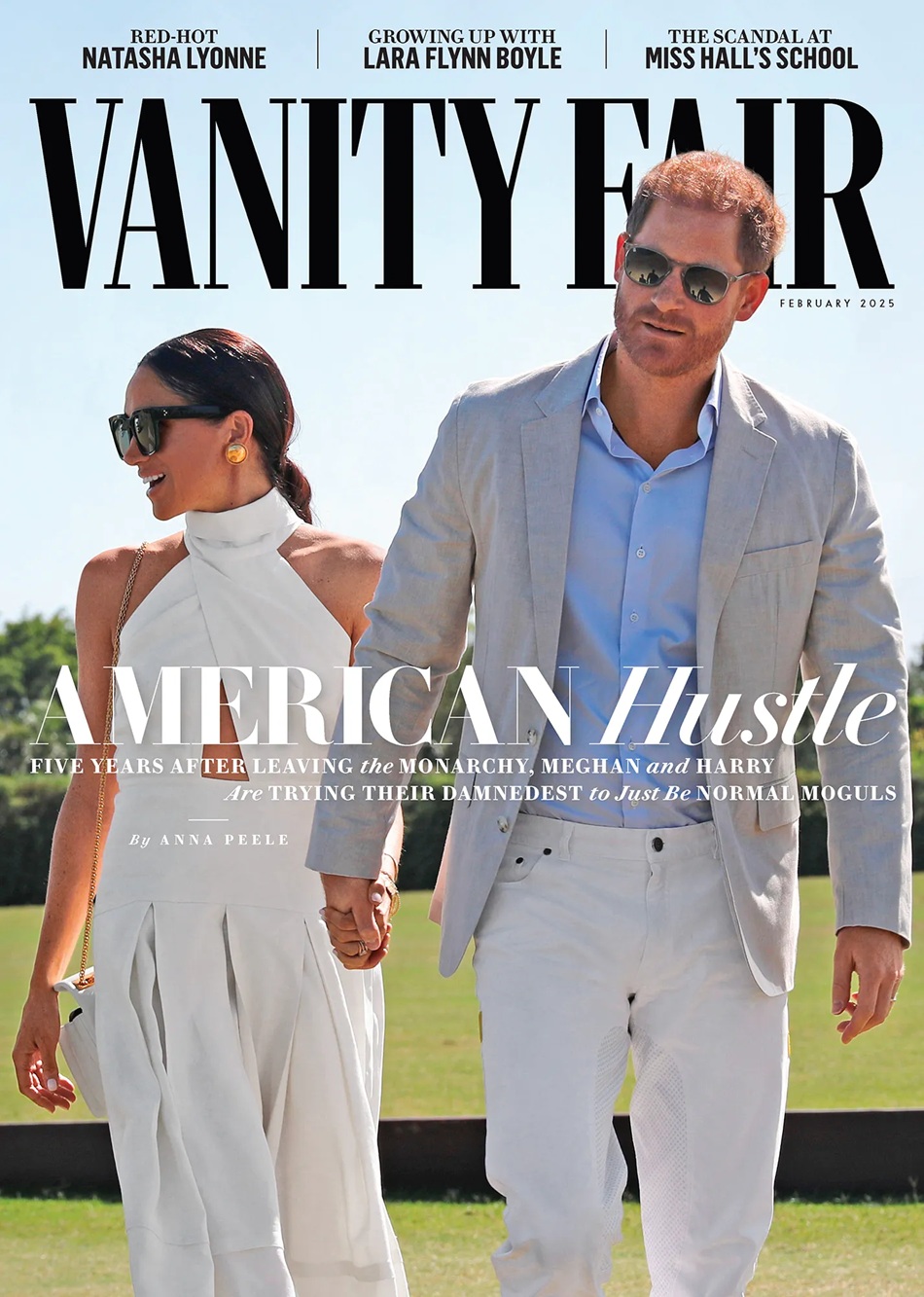
This context made many Sussex defenders weary of this year’s Vanity Fair cover story, which delved into the pair’s Montecito life and “foray into moguldom.” Some saw it as a hit-piece. Others felt it shied away from some of the meatier issues. I obviously have my own thoughts on it but I’m especially intrigued by the big questions it wants to answer, ones I’ve been thinking about a lot myself: What kind of celebrities to the Sussexes want to be, and are they doing the work to make it happen in their post-royal life of Hollywood sunshine?
Vanity Fair. "Inside Prince Harry and Meghan Markle’s Big Business Ambitions, 5 Years After Their Royal Exit." January 17, 2025. Anna Peele.
(Image via VanityFair.com)
"The house proved it: The Duke and Duchess of Sussex could have it all." The piece opens with a lavish description of the pair's Montecito mansion, which cost $14.65 million for more than 18,000 square feet and includes 13 fireplaces. It's not just a home for their family, though. It's "the perfect launchpad for Archewell, their nonprofit and entertainment studio—an approximation of a part noblesse oblige, part aspiring independently wealthy mogul model, one that Elizabeth, Charles, and William rejected by fiat during the January 2020 “Sandringham Summit.”"
Five years on from what the tabloids glibly labelled Megxit, the Sussexes are now financially, legally, and personally independent. They've gone from taxpayer-funded nobles with light workloads to self-sufficient businesspeople who want to be both figures of public service and hard-hustling celebrities. In terms of the charitable side of the equation, there's never been any doubt of Harry's commitment. Both the Invictus Games and Sentebale were acclaimed and have done good work, often more tangible than many royal endeavours. That’s what Harry grew up doing, what he was essentially trained for from day one. Becoming a CEO is a different kettle of fish, especially when you’ve never had to work your way up the career ladder before. And that’s the meat of this piece. What business are the Sussexes doing, is it paying off, and do they have a firm road forward to long-term sustainability?
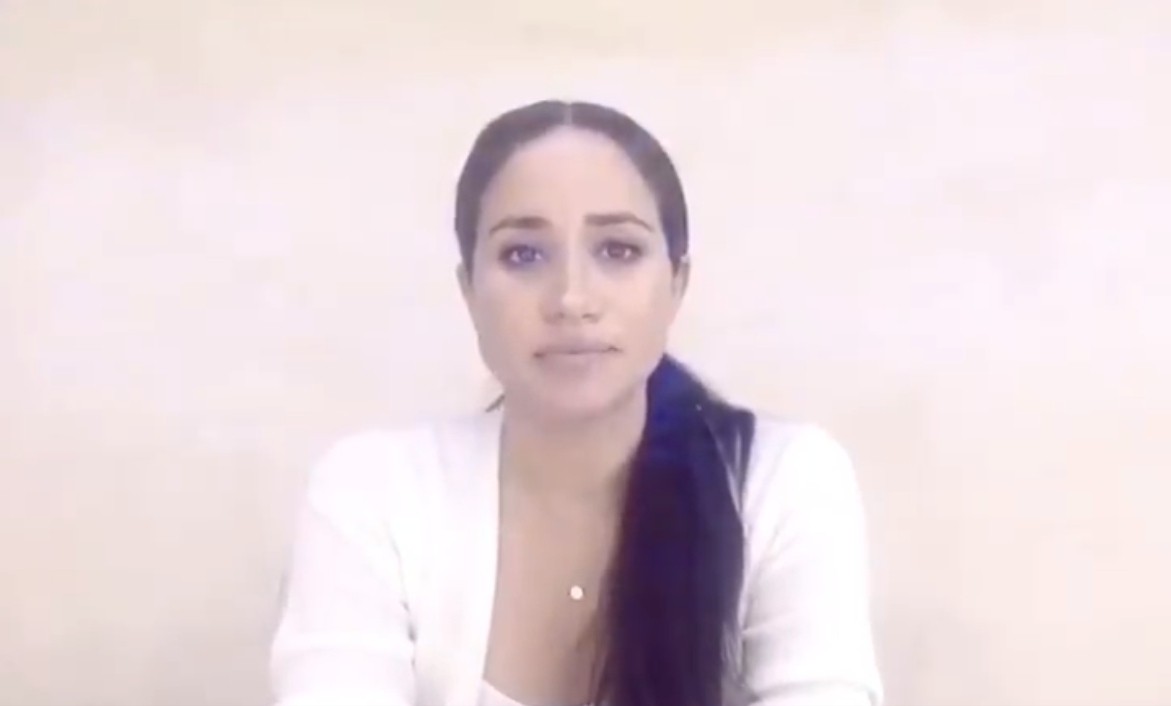
The first suggestion is that they’re not off to a great start. Their deal with Spotify was a notable failure, producing one middlingly received podcast and not much else. Things started out optimistically enough, with a couple of Spotify workers noting that there was a lot of interest in the pair but they were still waiting to find out if they were actually interesting. “The thing you’re escaping is the reason you’re compelling.” And that was what bolstered their first round of output, between the Netflix docuseries Harry & Meghan and Harry's wildly bestselling memoir Spare. Of course these were successful. They were billed as the true story, the explosion that would blow the doors off the cloistered British royals. Certainly, Spare was revealing as a portrait of a man who has been left pretty messed up by the uniquely queasy experience of being a prince. The next stop was to prove that the pair were more than the drama.
(Image via YouTube.)
The Spotify deal seemed to suggest that they were not great at figuring out step two. A person who worked closely with the couple and “loves them” said, “I have no idea what [Harry’s] interests are beyond polo. No clue what his inner life is like.” The motivation behind doing a podcast seems to have been that other celebrities did it so why not? But they wanted to bring "a big theme that would explain the world" to each episode, yet they "had no ideas." This idea is disputed by one person who worked closely with the pair, who says that there were many good ideas abandoned due to practical reasons.
Some ideas included a This American Life-style show focused on talking to interesting non-famous guests. Bloomberg reported that Harry wanted to host a show where he interviewed famous "sociopaths" like Vladimir Putin and Donald Trump because he was interested in what made them turn out that way, while he, another man with a traumatic childhood, was reasonably okay. This idea is honestly very strange to me. Even if you got through the ethical and legal loopholes of having Putin sit down for a Spotify chat, why would he ever agree to a pseudo-psychiatric conversation about his alleged sociopathy with Prince Harry? It feels like a Succession subplot.
Most of the issues seem to be around not only a lack of thorough ideas for content (I hate that word) but a timidity over being bigger personalities themselves. You don’t need to be mega-charismatic to host a podcast but you certainly have to offer listeners something worth tuning in for, especially when there are too many alternatives out there yelling for our attention.
Audio producer Jane Marie, who worked with the pair before moving to a project with Michelle Obama, is complimentary about the pair but also gives sharp insight into their roadblocks. "I can say that they had really great ideas for shows, interesting pitches, interesting guests. But them as the deliverers or either of them as the hosts of these more kind of edgy ideas would have been like…they would have had to move again. I think it’s a combination of self-censorship for good reason and the corporate powers that be that run podcasting that don’t know what that is [to create valuable shows]. In combination, those things make it really hard to make good stuff."
The podcast we did get was Archetypes, a series wherein Meghan would talk to various women about the stifling types that many women are forced to embody and how they broke free from it. While the show had some impressive guests – Paris Hilton, Constance Wu, Mariah Carey – it was “complicated as a podcast concept.” The first problem is that these archetypes – bimbo, diva, etc – are actually stereotypes. The second is that this intriguing concept remained shallower in execution than initially expected. Some of that seems to have been Meghan’s fault, as she allegedly pulled away from thornier topics she had originally pushed for:
"In one episode, she wanted to actually say the word bitch because, as the source remembers Meghan saying, “You hear it all the time.” It ended up with Meghan calling it “the B-word.” An episode titled “Slut,” intended to center on how trans women’s sexuality is used against them, was retitled “Human, Being” by Meghan and had to be completely reimagined late in production. “Every episode got more and more watered down and further away from actual conversation,” the source says."
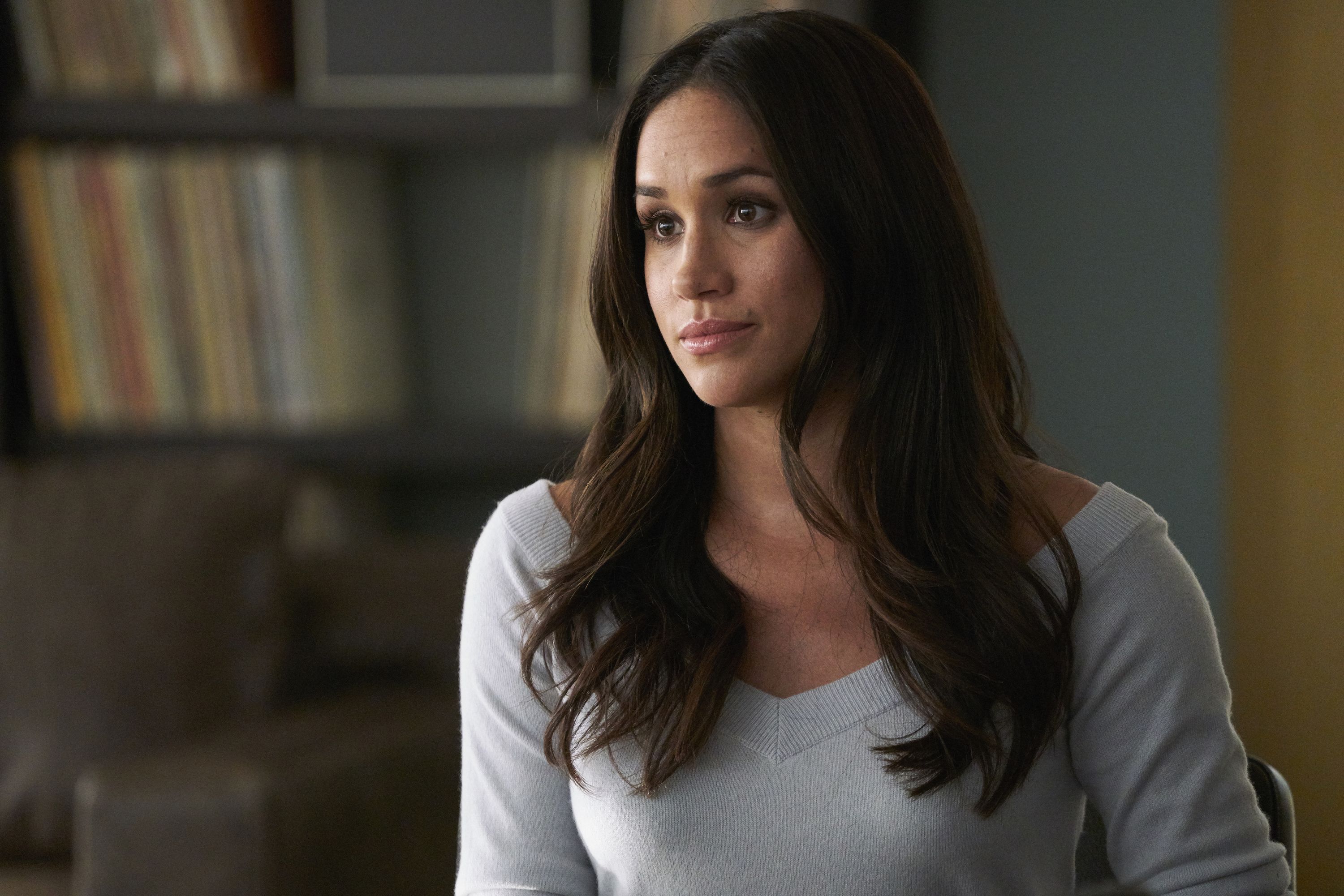
Honestly, this was my experience with the little of Archetypes I listened to. I’m cool with a basic gender studies offering to audiences who may not otherwise have been open to the subject, but it all felt like a real missed opportunity. It was impersonal and basic, and felt like a waste of its excellent guests. You got Mariah Carey and didn’t do anything with it!? Las Culturistas would never. Bill Simmons infamously called the pair “f*cking grifters” and said he couldn’t wait to share his own experiences of brainstorming podcast ideas with Harry. A grift implies an active effort to rip off Spotify. I think they just weren’t ready for primetime, so to speak.
(Meghan in her Suits days. Image via USA // NBC Universal.)
Of course, if this piece was just about their failed podcast then it wouldn’t have inspired the level of discourse that it did. What made the headlines was the details about Meghan’s alleged impropriety and rudeness towards Spotify employees. "When something went poorly, often due to Meghan and Harry’s own demands—such as a teaser for Archetypes being released five months before the show premiered and before there was any tape to promote—Meghan would become cold and withholding toward the person she perceived to be responsible.”
The source says it was “really, really, really awful. Very painful." Two sources say that "a colleague with ties to Archetypes took a leave of absence after working on three episodes, then left Gimlet altogether. Several others described taking extended breaks from work to escape scrutiny, exiting their job, or undergoing long-term therapy after working with Meghan." As one source put it, "I think if Meghan acknowledged her own shortcomings or personal contributions to situations rather than staying trapped in a victim narrative, her perception might be better."
Anna Peele, the writer, clearly has the same conundrum to deal with that all of us who write about Meghan with care must navigate (I’m not talking about the royal rota or tabloids): contextualizing good things and bad without potentially giving fodder to the racists and sexists. If Meghan was indeed frequently callous and unprofessional towards Spotify employees to the point where several took leaves of absence to avoid her, that shouldn’t be hidden. Peele tries to put these accusations in the context of Meghan's past trauma with the press and how "a sense of victimhood and righteousness could continue to exist in a person" who'd been through such nastiness. It can "warp your perspective", perhaps to the point where you start viewing underpaid podcast app employees with undue suspicion.
Thanks for reading Gossip Reading Club! This post is public so feel free to share it.
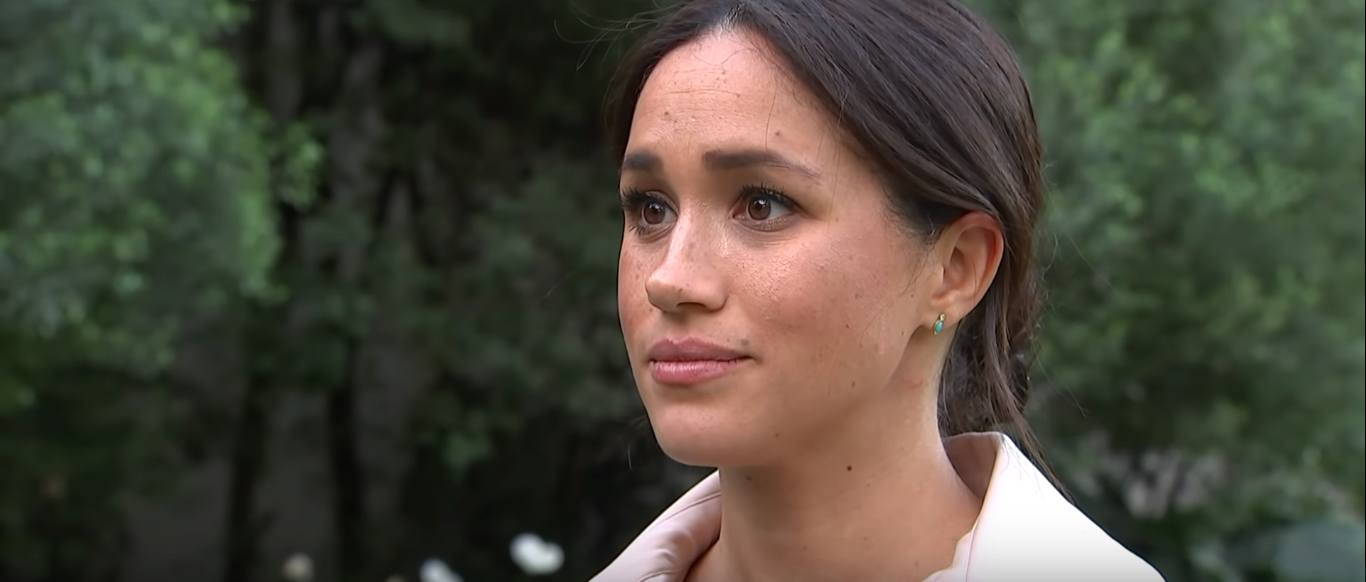
It might be tough to fully quantify just how besieged by bigoted press coverage and hatred the Sussexes have been. Remember when Archie was born and one British comedian commemorated the moment by posting a picture of a chimp? Or the “almost straight outta Compton” story about Meghan’s mother? None of this has stopped in the five or so years since they exited the royal family. We barely see Meghan in public but get near-daily stories about how terrible and unforgivable she is in every aspect. That takes its toll, and we know from Spare that Harry’s carrying a lot of that weight from a lifetime of being moulded and scolded by both the media and his own family (and the codependent relationship between the two.) Meghan talked about her suicidal ideation when the abuse was at its worst, and creeps like Piers Morgan ranted on TV about how she was lying. Frankly, does anyone get out of that kind of trauma without some serious long-term struggles?
(Oh man, I remember this interview. Image via YouTube // ITV.)
It's an explanation, however, not an excuse. As the piece notes, these two have too much money and power to perpetually shroud themselves in the veil of deniability. At the very least, you don’t make low-level working people worried to be in your vicinity. There is a point where you have to open the window, just a smidge, especially if you’re branding yourself anew.
I think this is why it’s easy to both be exhausted by the Sussexes but also have immense sympathy for them. Yeah, rich people problems, but also there is something, dare I say, relatable about having to reconfigure your entire identity in your late-30s and start afresh. Blessedly, most of us don’t have to do it on the world stage with such high stakes. We’ve all overthought certain things, worried that people will take them the wrong way, and that’s their daily existence. There’s a point where carefulness becomes burdensome, where worrying about every little thing leaves you wordless and pointless. It’s not a great place to be in when you’re meant to be making entertainment for the masses, like a Spotify podcast.
So, I get why people may have thought Peele was doing a think-piece, but I personally can’t help but notice the care that has gone into so much of it to be anything but that. She dedicates a lot of time to having even the Sussex critics note how truly in love the pair are and how right they seem for one another. We get sharp cultural commentary from Tom and Lorenzo and Lainey Gossip (two of my favourites and also my online friends, in the interests of full transparency), who offer a savvy outsider's perspective on the couple, and some good advice on how to move forward.
But then there's the bit where we get gossipy Montecito residents who are mad at the pair for contributing to the increasing housing prices in the area and a barrage of paparazzi taking over the streets. “I still think they’re the most entitled, disingenuous people on the planet,” one Montecitan says. Giving this equal page space to all the other issues feels kind of disingenuous. It’s petty. Of course rich a-hole neighbours hate the famous rich people moving in next door.
Peele says of Meghan, she "has gone from star of a syndicated cable series to paradigm-changing princess to her husband’s conduit out of royal life to the founder of a hybrid charity–Hollywood start-up. She has earned as much faith in her own force of will as a sovereign might have from believing that they were anointed by God to lead." She's seen as the more ambitious of the two, the one more capable of being a successful celebrity than her husband, a man raised from birth to believe his place in life was a divine right. There could be a good balance there, but a lot of extenuating circumstances have made that hard.
It may be Peele's closing paragraph that puts it best: "If Harry’s burden is the soft oppression of no expectations, Meghan’s might be the opposite: the betrayal of not living up to an unachievable ideal. “I think the whole world was waiting for her to be that person, and then she never jumped,” the source who worked in media says. “Diana walked amongst land mines. Meghan couldn’t even say the word slut.”"
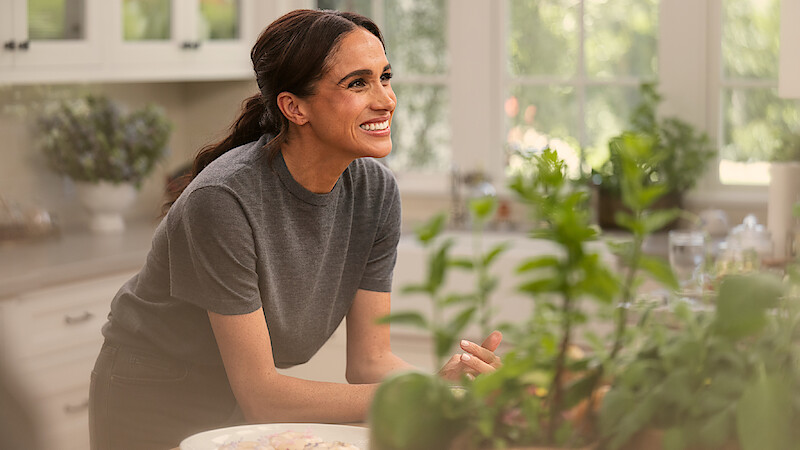
I reviewed With Love, Meghan for TheWrap (and had to get my review done on the day of its release since Netflix did not send out screeners.) Looking back, I think my review was maybe a tad defensive. I didn’t hate the show but I felt this need to remind people that it was, frankly, not interesting enough to get wound up over. Other reviews treated it like a slap in the face or tradwife propaganda, which I found nonsensical. But we were all getting at the same problem: there just isn’t much there.
(Image via Netflix.)
Meghan was perfectly sweet and some of her recipes and crafts were good, but you didn’t walk away from the show thinking she was the next Martha or Ina. This wasn’t an assertion of identity so much as a desperate hunt for one. I don’t doubt that Meghan likes to cook or create candles but she’s not an expert nor was she able to sell herself as a great charismatic host. Watching it, you can’t get away from the fact that this is a woman with her guard up at all times. She doesn’t tell jokes, make fun or herself or share off-the-cuff comments. Every word is so carefully chosen to be as inoffensive as possible. You can’t blame her for wanting to shield herself from pre-emptive hate. It must be a nightmare to have to live with that every day. But as a viewer, you wonder why you should stick around for multiple episodes of her preparing parties for no guests or moving pretzel nuggets from one plastic bag to another.
“I think that they don’t know what ‘change the world’ means,” says the person who worked in media projects. “They want to be people who are looked at as people who want to change the world.” That quote really lingered with me because that’s what royals do: they present their charity work as a grand favour to the planet but never contribute anything of real social change because their positions restrict them from doing that. When Prince William talks about wanting to end homelessness, he knows he has no real chance of doing so, nor will he make any true effort to fix the problem. It just sounds good to say it. The headlines write themselves. The unspoken part of the royal contract with the world is that we let them believe their activist cosplay is the real thing.
If I was being paid an exorbitant amount to give advice to the Sussex couple and brand, I’d tell them to loosen up and take some tips from Barack and Michelle Obama. Granted, they’re once-in-a-generation charisma machines of immense ambition with the work to back it up. But their post-White House work is interesting, productive, and successful. Plus, it’s all very Obama-esque: great documentaries, podcasts, books, movies, etc. The work speaks for itself and succeeds outside of their name. It also allows them to be funnier and more candid (or at least appear so) than they could be as President and First Lady. I’d also encourage them to align themselves more publicly with big causes like UNICEF or the like. Make the service more visible. Show how much more you can do without the royals holding you back.
And this is what I think the Vanity Fair piece was trying to get to the heart of: perhaps the Sussexes are not prepared for or interested in doing what it takes to be proper celebrities. Here’s the thing: being famous sucks. Royalty is a nightmare but it provides stricture that I imagine Harry thrived on to an extent. Going independent and having to do it all yourself, and make it profitable, and navigate a different country’s way of fame is capital-W Work. It requires results.
I’m not sure jams and podcasts are the best work for this. There’s a way to balance being an influencer with CEO powerhouse titles and philanthropic endeavours. But it will require Meghan and Harry to commit to being celebrities in a way they may not have wanted when they left the royal family. Not even they can have it all.
Thanks so much for reading. You can find my other work scattered across the internet. Over on Pajiba, I reviewed the new Naked Gun movie (it’s great!), and I wrote about the horror of the Skims face wraps, the ways that And Just Like That… (RIP) failed Seema, and the nonsense of the clearly fake Pedro Pascal “backlash.” On TheWrap, I wrote about the most controversial South Park episodes and celebrated the legacy of The Osbournes following Ozzy’s death (RIP Ozzy, we named our dog after you.) On Den of Geek, I wrote about two films that turned 30 this year, Disney’s Pocahontas and Kevin Costner’s Waterworld. For the AV Club, I delved into the evolution of COVID cinema in the lead-up to Eddington.
If you like to listen to the dulcet tones of my very shrill voice, you can hear me on the Smart Bitches Trashy Books podcast, where I talked to Sarah Wendell about the ways that Richard Osman’s Thursday Murder Club series has taken over modern crime fiction. Subscribe to her Patreon, and you can hear an extra episode wherein we talked more about pop culture, gossip, and the kind of stuff I write about here. British subscribers can hear me on the BBC Radio 4 show Screenshot, where I talked to Ellen E. Jones about Scotland in film.
If you’d like to sign up for a paid subscription to the Gossip Reading Club but don’t want Substack to get any of that money, drop me a message and we can set it up without you having to pay this platform! If you just want to offer a one-off tip, I have a Ko-Fi account.