Hollywood & Crime: How The Murder of Rebecca Schaeffer Changed California’s Stalking Laws
One of the scariest true crime cases in L.A. history forced a reckoning across the nation.
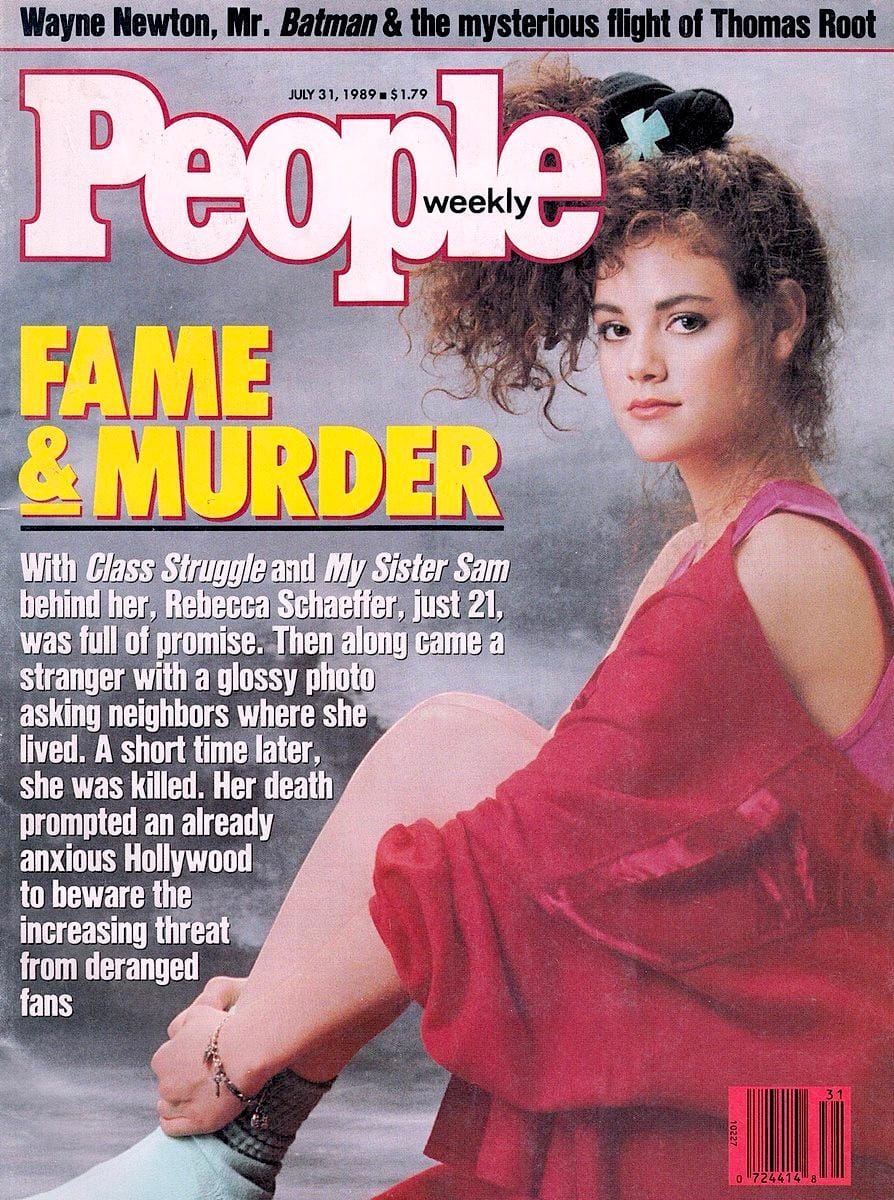
In a recent true crime miniseries on Paramount+, the actress Eva LaRue opened up about her torment of being stalked for 12 years. My Nightmare Stalker sees LaRue, who you may recognize from CSI: Miami, discuss how she and her daughter were stalked by a man who wrote threatening letters, left abusive voicemails, and shared grotesque fantasies of rape and kidnapping both LaRue and her child. The man often signed the letters with the name “Freddie Krueger.” In 2019, the stalker called the high school LaRue’s daughter attended several times, pretending to be her father, to ask about her whereabouts. It took until 2022 for the man to be sentenced, and he was released from prison last year.
LaRue admitted that she fears she’ll never feel safe again. “Your brain never goes back to not being hyper vigilant.” It’s a line I’ve heard a lot in famous stalking cases. You don’t lose the paranoia because it’s the only thing protecting you, especially since the legal system, despite many changes for the better, remains shockingly ill-equipped to deal with stalking cases. Even celebrities are not immune to the biases and lack of training that often besiege precincts and officers. Stalking is something we all understand to be scary and dangerous, yet cops often don’t have power until it’s too late. They may not act until the victim has been physically hurt by the perpetrator. This has led to stalking being described as “a crimeless crime.” The mental and emotional toll caused by, for example, threatening letters or social media harassment is dismissed as something you should just ignore. But it’s due to a handful of terrifying high-profile cases involving celebrities that push for anti-stalking legislation began to be taken seriously.
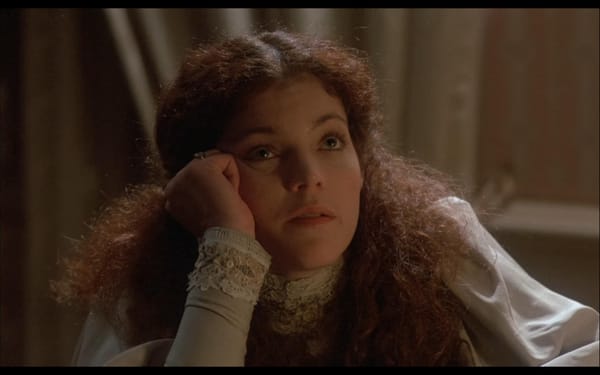
In 1984, the teenage model Rebecca Schaeffer moved from Eugene, Oregon, to New York City to pursue a full-time career in entertainment. She quickly began working on TV, landing roles on the soap operas Guiding Light and One Life to Live. After some time in Japan, she decided to leave modelling and move into acting full-time. She landed a small role in Woody Allen’s comedy Radio Days, but her character was edited out except for one brief scene. Her big break came when she was cast in the sitcom My Sister Sam, co-starring Pam Dawker (a.k.a. Mindy from Mork and Mindy.)
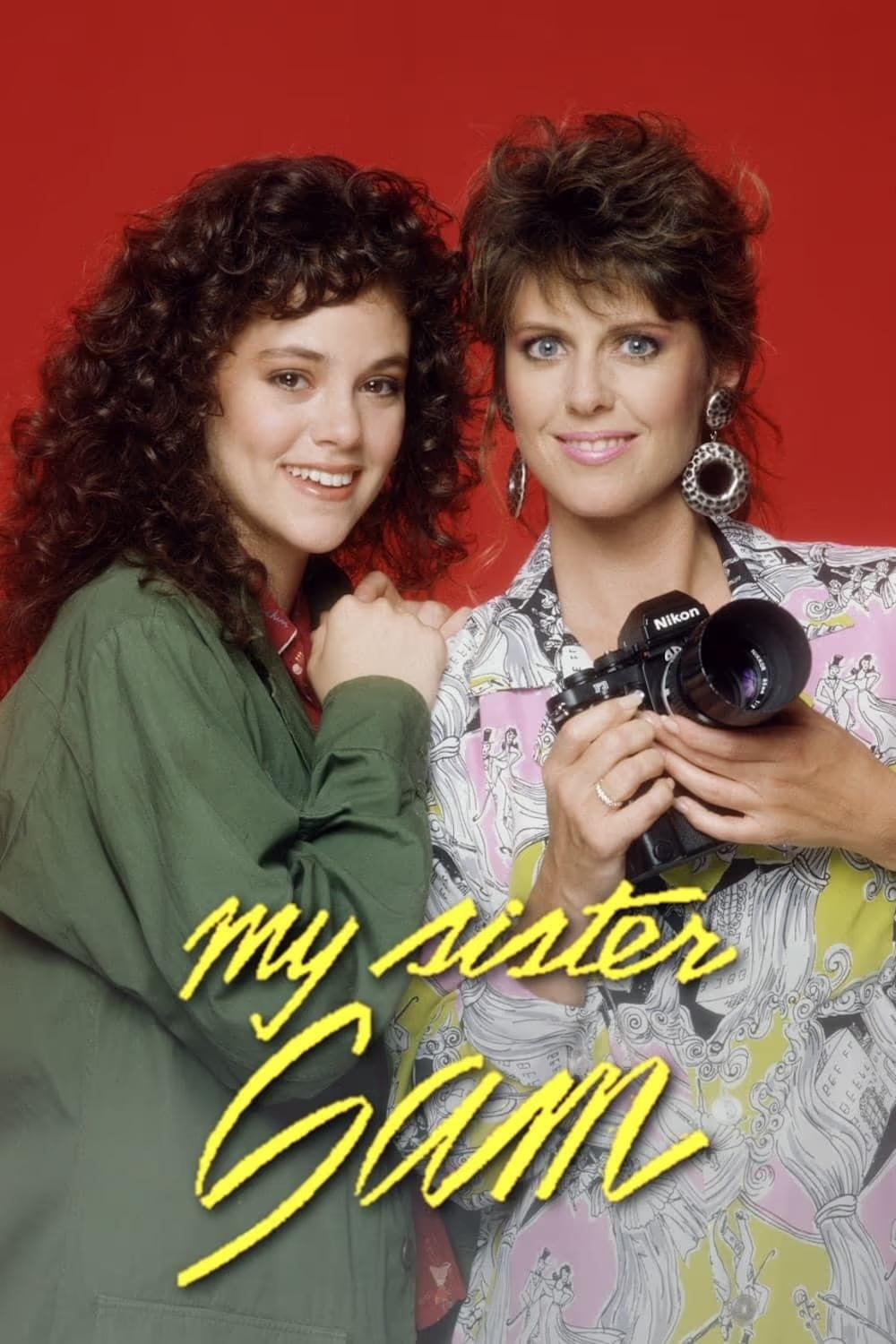
(Image via IMDb.)
It was a standard sitcom set-up: a freelance photographer living in San Francisco becomes the full-time guardian of her teenage sister Patty. At first, My Sister Sam was a solid hit for CBS, enough so that they renewed it for a second season. Schaeffer moved across the country to Los Angeles so that she could film there, and she even lived with Dawber during the shoot. But, for some reason, in the second season, CBS moved the show from its reliable time slot to Saturdays, where its competition was NBC’s The Facts of Life. By the end of October 1987, the show’s audience had all but disappeared, and it fell to #71 in the network rankings. It was put on hiatus the following month, then returned to the air in March 1988. But the damage was done, even as another new timeslot helped it earn back some viewers. My Sister Sam was cancelled in May 1988, leaving 12 episodes of the second season unaired.