Do You Remember: When Hollywood Sold Out Rory Calhoun to Protect Rock Hudson
Vintage gossip time! The leading man, the cowboy, the gossip rag, and the fallout.
I spent a lot of 2025 reading the novels of James Ellroy. The “demon dog of crime fiction” specializes in hard-bitten L.A. noirs full of nihilism, Hollywood lore, and dense conspiracies involving a variety of real-life figures. Have you ever wondered what it would look like if every conspiracy about the 1960s was true? Read American Tabloid. Ellroy’s current series is focused on a surreal reimagining of the life and times of Freddie Otash, a notorious private investigator and movie industry fixer (he was also the inspiration for Jack Nicholson’s character in Chinatown.) Through his books Widespread Panic and The Enchanters, Ellroy imagines Otash as a showman stuck in literal purgatory who is trying to make his case to a jury of the damned. He spins a tabloid-esque tale full of headline-esque alliterations and melodrama to “prove” that his numerous sins aren’t all that bad. Spoiler: they’re all super bad. Otash was a scumbag.
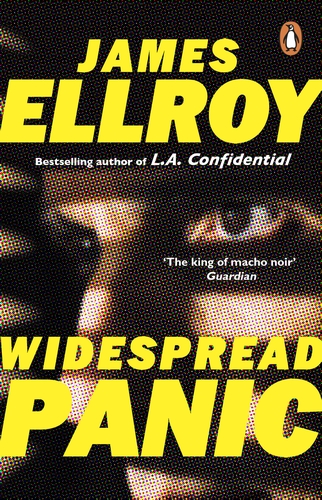
(Image via Penguin. If you’re new to Ellroy, don’t start here. Go with The Black Dahlia first!)
Otash was not ashamed of his invasion of people’s privacy or illegal dealings for hire. In an interview with Mike Wallace from 1957, he declared, “If you can see it or hear it, you are not invading any privacy.” Wallace, by the way, described Otash as the “most amoral” man he’d ever had on his show. Dude, you interviewed Kissinger. Otash made a lot of weird claims in his later years, some of which have been hard to verify or seem outright incredulous. He claimed he’d “listened to Marilyn Monroe die” because he’d been conducting surveillance on her, and that he heard tapes of her having sex with John F. Kennedy. He made a decent amount of money in his later years, helping to keep that conspiracy alive.
But it is true that he bugged a hell of a lot of celebrities’ homes during the peak of his career. He’s a key player in one of the most notorious examples of the golden age of the Hollywood studio system making deals with the press to avoid a scandal. This one involved a beloved leading man, his open secret sexuality, and the cowboy who became a patsy.
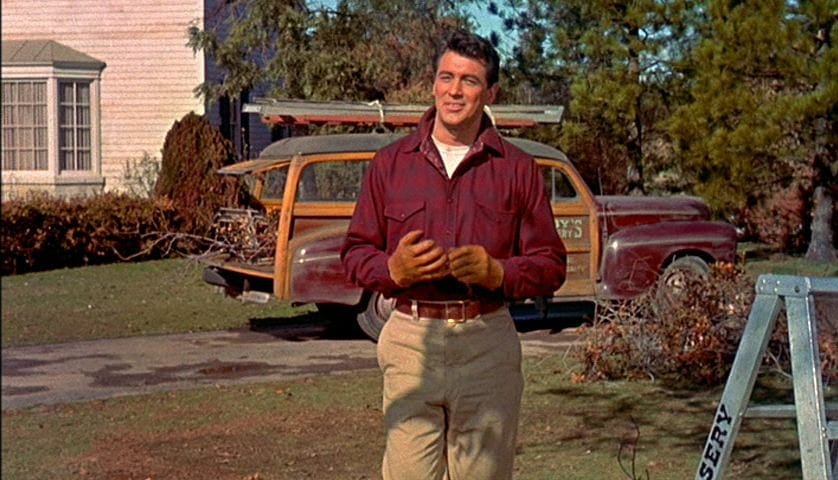
If you’re subscribed to this newsletter, then I’m going to assume that you know who Rock Hudson is. By the mid-1950s, he was one of the biggest stars in Hollywood, an impossibly handsome leading man who romanced the likes of Jane Wyman and Liz Taylor on the big screen. He’d become notable for his rom-coms with Doris Day, fizzy sparkplug battles of the sexes where he typically played men who pretended to be someone they weren’t to seduce the prim no-nonsense Doris before falling for her charms. It was a solid metaphor for his private life, except without the happy-ever-after with his female co-stars.
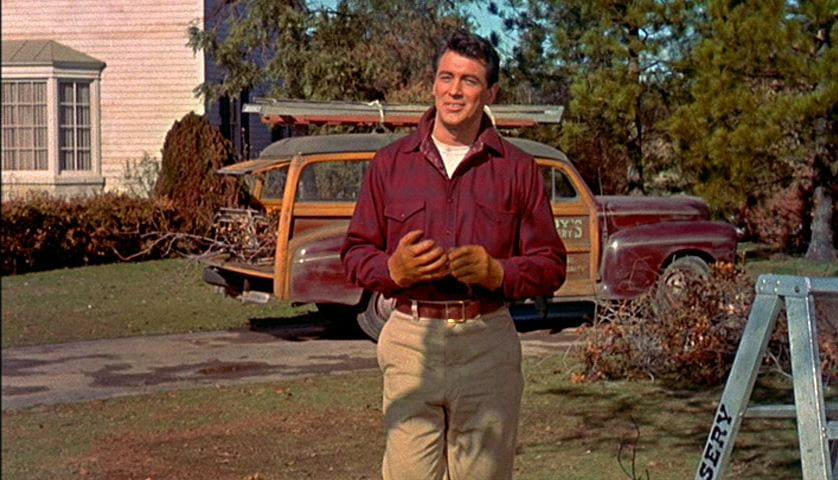
(Image via IMDb.)