Classic Reissue: How Do You Sell a Movie Like Lolita? Not Like This!
The 1997 adaptation of Lolita was bound to be controversial, but that doesn’t excuse nonsense like this.
I’m issuing a content warning here for all things related to Lolita, including sexualization of children, child abuse, sexual assault, and the systemic degradation of girls and women. Please approach with caution.
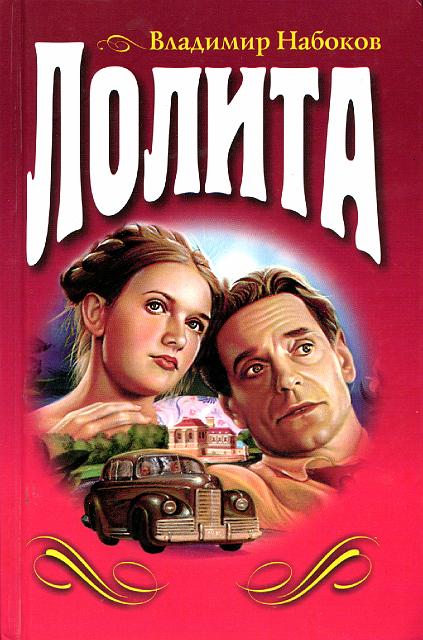
“I want pure colors, melting clouds, accurately drawn details, a sunburst above a receding road with the light reflected in furrows and ruts, after rain. And no girls ... There is one subject which I am emphatically opposed to: any kind of representation of a little girl.” (Vladimir Nabokov, on what he wanted on the covers of his novel, Lolita.)
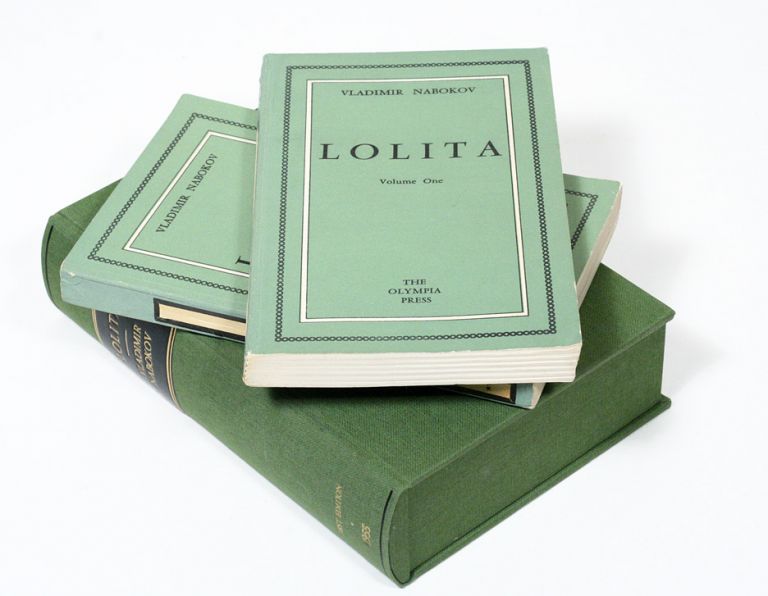
(The original cover. I do not feel comfortable sharing the images from this profile on this newsletter, so I’m using different covers of the novel that did and did not listen to Nabokov’s pleas.)
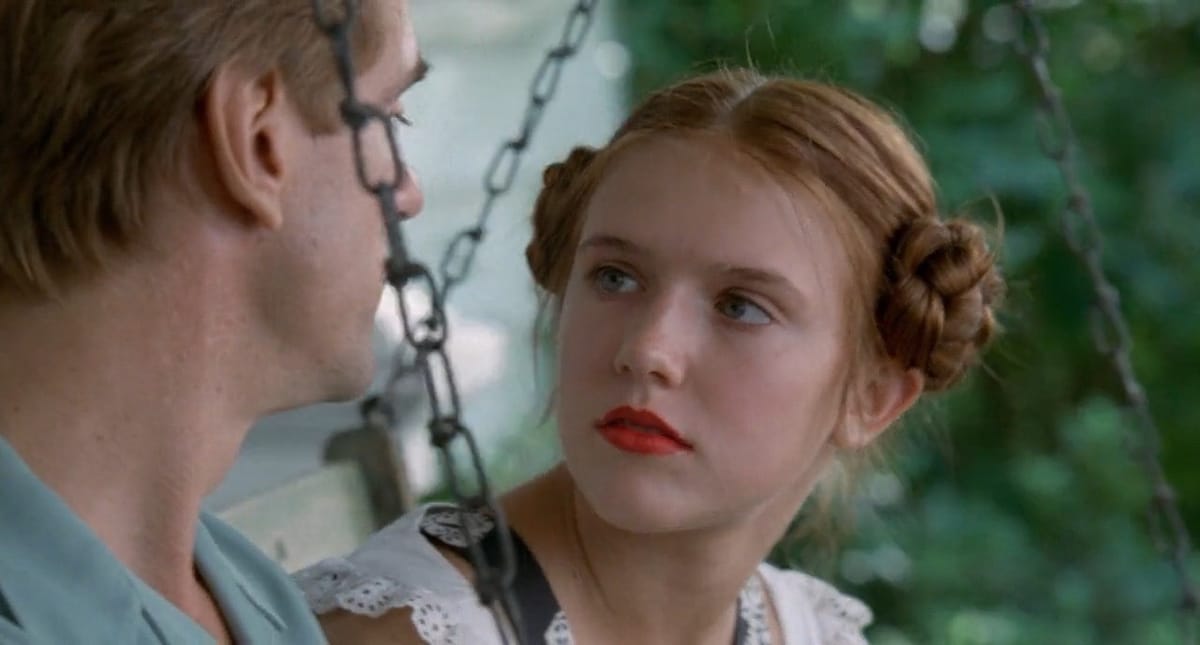
When I was a teenager, I was a complete square, a stuffy book nerd who didn’t have many friends and bought the Not Like Other Girls myth hard as compensation for my social failings. The only form of rebellion I ever displayed was in my love of novels and films that were, to put it mildly, controversial. I loved serial killer crime fiction, pretentious arthouse films full of fatalistic hatred for humanity (hi, Lars Von Trier), and getting my hands on pop culture that had previously been banned or challenged by world authorities. That led me to feverishly reading American Psycho, The Valley of the Dolls, and, of course, Lolita, the story of a paedophile and his obsessive manipulation of a 12-year-old girl. I purchased my copy from HMV as a teen for about £3. My copy was a movie tie-in edition for the 1997 adaptation directed by Adrian Lyne. On the cover was a young Dominique Swain playing the title character, lying on the grass with her feet in the air. A surprisingly mundane image for a novel I was keenly aware had the stench of controversy all over it. I haven’t read Lolita in a long time but many of its key phrases linger with me.
I’ve found myself thinking about Vladimir Nabokov’s masterpiece a lot lately, especially over the past couple of years as the entertainment industry reached a reckoning or two. From the downfall of Harvey Weinstein to the continuing career triumphs of Roman Polanski; from bad faith attacks on My Dark Vanessa to the scourge of “cancel culture” as whined about by the usual suspects. It doesn’t take much for our current pop culture mass of discourse and panic to return to Lolita. I remember seeing the novel on one website’s list of the sexiest books ever written. I also recall hearing claims that, in our current climate of oversensitive liberal crybabies, Lolita would never be published today. Honey, Nabokov couldn’t get it published in the ‘50s! But the thing I’ve been thinking about most is the ways that one of modern literature’s greatest portraits of a sociopathic abuser has been misappropriated and poorly interpreted as a means to justify the continued exploitation of young women and girls.
Today, however, I turn my attention to one piece that has kind of haunted me since I first discovered it. Once again, a trigger warning for all the expected things related to Lolita, but especially the sexualization of young girls.
Esquire. “Lolita Comes Again.” February 1, 1997. Elizabeth Kaye.
Let’s just get this out of the way: Lolita never condones Humbert Humbert. It doesn’t side with his unreliable narration. It opens with a foreword by a fictitious doctor framing Humbert’s memoir as the justifications of an abuser and murderer who died while awaiting trial in prison. We know from the get-go that this man is harmful and dangerous, a top-class manipulator who cloaks his horrific acts in floral prose in the hopes of romanticizing that which cannot be. This is English Lit 101 right here, the sort of basic lesson one learns in their first year of university. It’s not hard to understand, which is what makes everything about not only this article but Adrian Lyne’s movie extremely queasy!
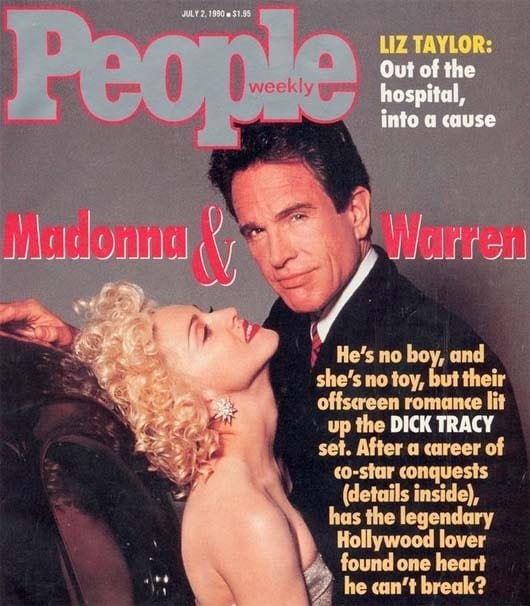
I mean, that title. “Lolita Comes Again.” Yikes. And then there’s the accompanying images of then-15-year-old Dominique Swain, wherein she is positioned as a sultry cover model. I talked before in a classic issue about Esquire‘s ways of framing women in its magazines, typically as idealized sex objects. That same year saw covers featuring one woman sitting in a giant cocktail glass, another with Elizabeth Hurley “getting catty” with a lion. One woman is flashing her midriff. Julianna Marguiles is undoing her dress. Then there’s one of... eh... a baby in a cone bra? Because Madonna had her daughter that year? And also some hard f**king transphobia. All of this is to say that it’s awful but not that surprising to see Esquire aiming for this strange mixture of provocation and critical legitimacy.